
Monthly Newsletter
September 2022 - Vol. 17, No. 9
<August 2022 | October 2022>
Top Stories
Veterinary Health Center thanks Merck Animal Health with ribbon-cutting for livestock receiving
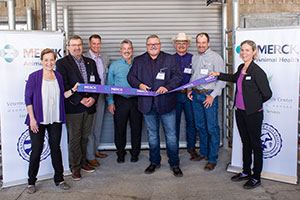
Livestock health and welfare recently took center stage for a special event at the Veterinary Health Center. Guests from Merck Animal Health visited K-State Sept. 16 to cut the ribbon for the recently renovated Livestock Services receiving and treatment area. “The Livestock receiving area had been virtually unchanged since 1978. We needed to build cattle-handling facilities that are more cattle friendly and student friendly,” said Dr. Bonnie Rush, Hodes Family Dean for the College of Veterinary Medicine.
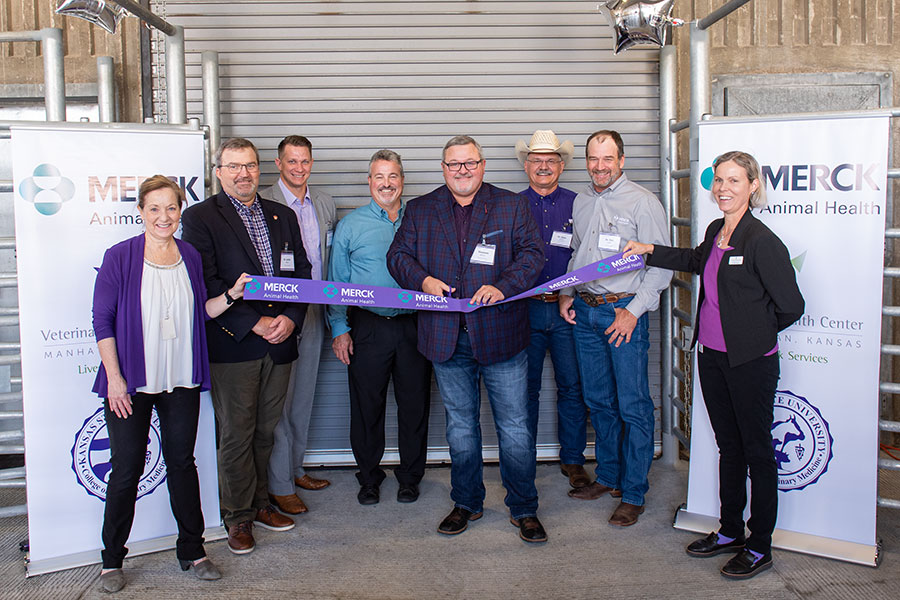
Hodes Family Dean Dr. Bonnie Rush and Dr. Elizabeth Davis, associate dean of clinical programs hold the ribbon for the VIPs from Merck Animal Health. From left to right: Dr. Justin Welsh, executive director of U.S. Livestock Technical Services; Dr. Taylor Tillery, veterinary academic and industry liaison lead, Veterinary & Consumer Affairs; Dr. James R. Kallman, professional services veterinarian, south central region; Shannon Kellner, associate vice president for the US livestock team; Dr. Dave Sjeklocha (KSU DVM 1994), technical services veterinarian; and Dr. Tim Parks (KSU DVM 1994), US beef cattle technical services.
“We were fortunate to receive support and expert help from Merck Animal Health in redesigning this area," Hodes Family Dean Rush said. "We were also helped by Dr. Kip Lukasiewicz, who is a 1999 graduate of this college, and Dr. Temple Grandin [a prominent expert on livestock handing systems].”
“With the renovations that have been made, we are able to process more patients in a safe and efficient way,” said Dr. Matt Miesner, section head and clinical professor in Livestock Services at the Veterinary Health Center. “It’s a beautiful facility and it’s an extremely functional facility. It’s a great benefit for us and the students and our clients. We just saw an example yesterday. We had a couple of bucking bulls brought in to be vaccinated. In the old days, that was not simple – but now, we can handle it with ease.”
Dr. Miesner said improvements not only came from a need for structural repair, but a need to rise to the standards of modern, safe, efficient and low-stress animal handling methods.
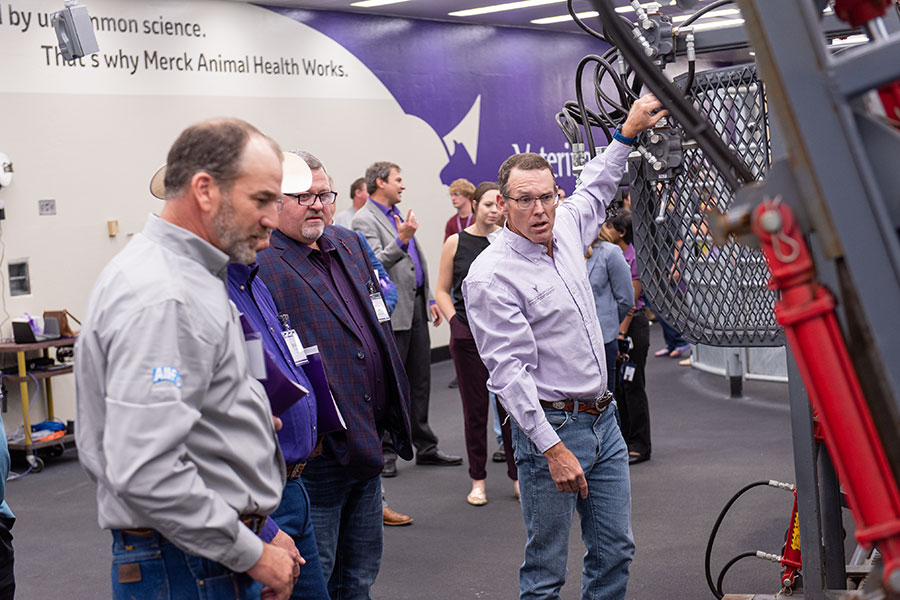
VHC Livestock Services Section Head Dr. Matt Miesner demonstrates the rotational chute to the guests from Merck Animal Health.
Upgrades include:
- New drive-thru unloading feature to improve patient drop-off and pick-up
- Holding pens, alleyways, sweep and bud tub handling of cattle to improve output and safer movement of patients
- A new rotational chute provides increased versatility to examine a variety of large animal patients that present for lameness
- An upgraded obstetrics handling area will improve services provided in association with pregnancy related disorders
Shannon Kellner, associate vice president for the US Livestock Team at Merck Animal Health, cut the ribbon at the ceremony and spoke about Merck Animal Health’s relationship with K-State and the veterinary college.
“We have several K-State veterinary alumni who are employed in our livestock division since we are located here in Lenexa, Kansas,” Kellner said. “Although we are a large company, we still feel we are relationship-based when it comes to our partnerships and our customers. It’s important to work with people who align with our mission. We’re very proud to able to a part of this dedication event for this beautiful facility and to know what it’s going to do for the veterinary college, and how we can continue to partner with K-State.”
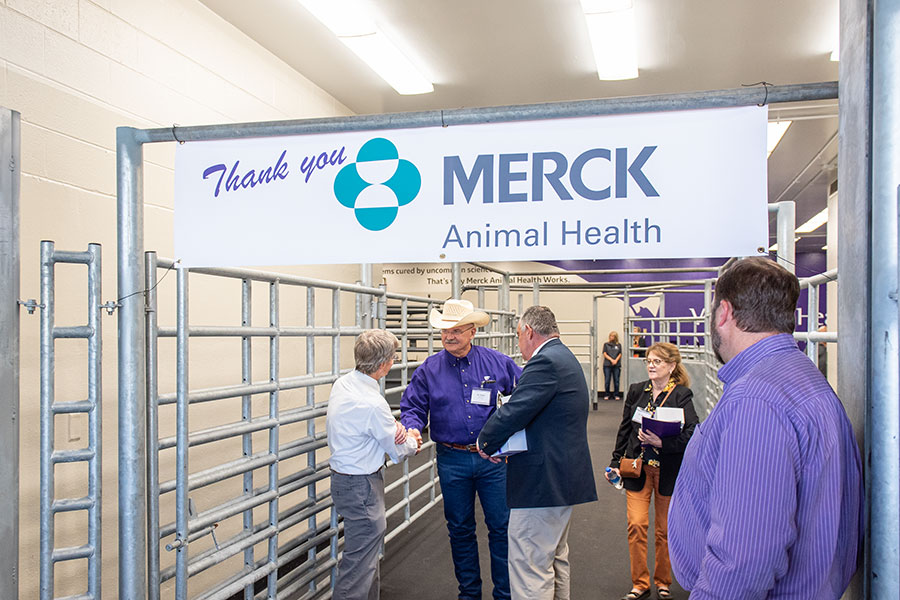
DMP Department Head Dr. Derek Mosier meets with some of the Merck Animal Health visitors.
“It is our mission to meet the highest accreditation compliance standards” said Dr. Elizabeth Davis, director for the Veterinary Health Center. “With this aim in mind, we planned for structural and equipment upgrades to provide optimal patient care and teaching space. We are pleased to have these upgrades complete which will allow us to provide high quality large animal patient care in a contemporary facility. We are very thankful to Merck Animal Health for helping to make this happen.”
About Merck Animal Health
Merck Animal Health, a division of Merck & Co., Inc., Rahway, N.J., USA, is the global animal health business of Merck. Through its commitment to The Science of Healthier Animals®, Merck Animal Health offers veterinarians, farmers, pet owners and governments one of the widest ranges of veterinary pharmaceuticals, vaccines and health management solutions and services as well as an extensive suite of connected technology that includes identification, traceability and monitoring products. Merck Animal Health is dedicated to preserving and improving the health, well-being and performance of animals and the people who care for them. It invests extensively in dynamic and comprehensive R&D resources and a modern, global supply chain. Merck Animal Health is present in more than 50 countries, while its products are available in some 150 markets. For more information, visit www.merck-animal-health.com and connect with us on LinkedIn, Facebook, Twitter and Instagram.
About Kansas State University
Kansas State University’s College of Veterinary Medicine is committed to a professional degree program with broad training opportunities across a comprehensive range of companion and exotic animals, and livestock species. Their focus is on initiatives that address important societal needs at a local, national and global level. Kansas State University is located in the animal corridor and is dedicated to the advancement of health and welfare of animals, people, the environment, and the veterinary profession through excellence in teaching, research, service and outreach.
Professors zoom in on unique way to answer anatomy questions
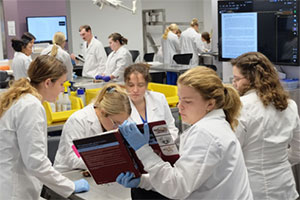
A new initiative at Kansas State University shows how virtual meeting tools can be being used to address a longstanding challenge for educators. “With certain classes being large and not always having enough instructors, we realized that students in laboratory groups in our anatomy courses were often unable get speedy answers to their questions,” said Dr. Judy Klimek, clinical professor of anatomy and histology in the College of Veterinary Medicine.
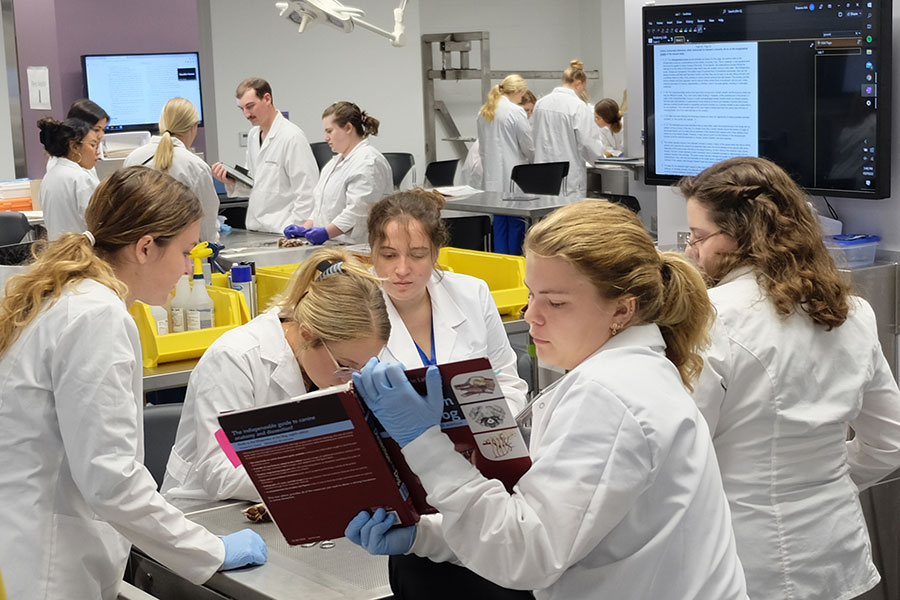
First-year students work in groups on assignments in the anatomy laboratory. When needing help, each group can post questions in the "Q&A" tool in Zoom so that instructors can respond in a structured and orderly fashion.
She said instructors are sometimes unaware that students have questions or need help — or who has been waiting for help, and how long they have been waiting.
“Students often spend a long time waiting for an instructor to become available,” Dr. Klimek said. “We brainstormed amongst ourselves, and with the technical support people in the veterinary college, came up with Zoom as an option. This was before the pandemic, so at that time I didn’t even know what Zoom was.”
Dr. Pradeep Malreddy, clinical assistant professor, said, “Originally, we were thinking along the lines of developing an in-house queue management software, similar to what you might see at the local motor vehicle office. Our IT director, Bryan Kraus, and his team came-up with Zoom Webinar's ‘Q and A’ feature after consulting with colleagues on the main campus at K-State. Our department head, Dr. Hans Coetzee, graciously funded the purchase of mini iPads and a Zoom Webinar license.”
Zoom Webinar allows the instructors to log in as “panelists” on a mobile device and then interact with the students who are logged in as “attendees” via the Q and A feature.
“Our students join the webinar using their dissection table number as their ID and request assistance in the Q and A,” Dr. Malreddy said. “The questions go into a time-stamped list, to which the instructors can reply with a text (usually just the name or initials), which can be seen live by the other instructors. This allows student questions to be queued so that the instructors can address them in a timely, first-in/first-out order, and also allows that group to see that someone is coming to assist them. Student feedback regarding the use of this system for the Small Animal Anatomy course was positive.”
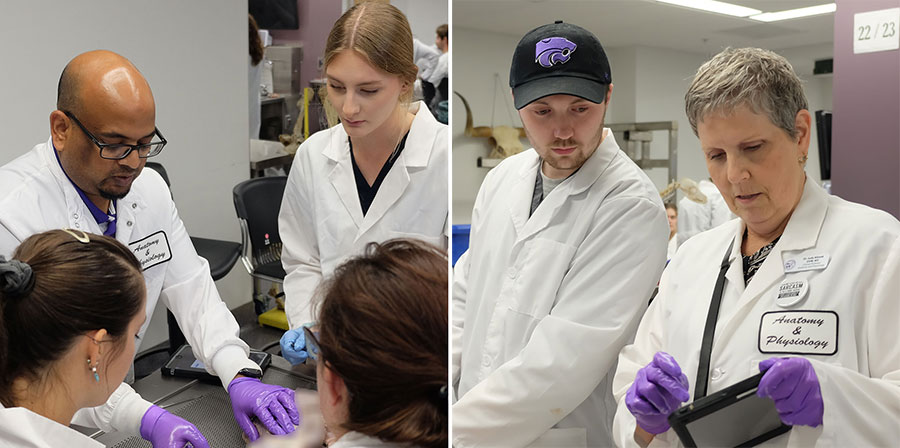
Drs. Pradeep Malreddy and Judy Klimek work with students who have questions. Their new initiative allows to address questions more efficiently while ensuring no students are overlooked.
“Once we started using Zoom, we loved it for the most part,” Dr. Klimek said. “Despite some minor hiccups while getting everyone used to using it, we thought others [veterinary educators] could benefit from hearing about it.”
Drs. Klimek and Malreddy collaborated with Dr. Lynn Abel and Dr. Cathy Sparks, other veterinary professors at K-State, to formally write up an article for the Journal of Veterinary Medical Education.
“Dr. Abel provided many of the solutions and suggestions during the implementation process,” Dr. Malreddy said. “I started collecting data to see how many questions were being answered and by whom. Dr. Sparks wrote an abstract that was to be presented at the Veterinary Educators Collaborative Symposium in 2020, but that got cancelled due to COVID. So, two years later, here we are, and we have just published our findings.”
The full journal article, “Novel Method to Manage Student Questions in the Anatomy Laboratory Using a Virtual Meeting Platform,” is available online.
K-State Alumni Association presents Iman Research Award to Dr. Hans Coetzee
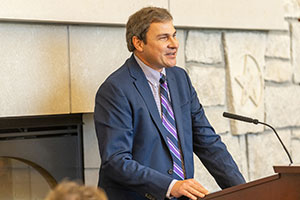
Two Kansas State University faculty members, Dr. Hanz Coetzee from the College of Veterinary Medicine and Dr. Dawn Deeter in the College of Business Administration, were each chosen as recipients of the annual Iman Award, including a $5,000 honorarium in recognition of their outstanding research and teaching accomplishments, respectively, during a ceremony at the K-State Alumni Center on Sept. 8.
More Headlines
KSVDL names Seetahal as rabies section head
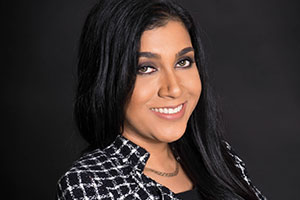
The Kansas State Veterinary Diagnostic Laboratory, or KSVDL, has hired Dr. Janine Seetahal as section head for the Rabies Laboratory. Previously Seetahal served as a state veterinarian in Trinidad and Tobago since 2009, with operational responsibilities broadly encompassing zoonotic diseases surveillance and control, animal import and export regulation, trade in livestock products and disaster management.
Dr. Seetahal became passionate about the subject of rabies and bats while managing the Government Rabies Laboratory in Trinidad and Tobago during the 2010 rabies outbreak in livestock.
Dr. Seetahal has carried out many rabies educational initiatives, from boots-on-the-ground community drives to more structured events, such as World Rabies Day. She is looking forward to using her training, education and experience to continue to tackle this One Health issue.
"In my new role I aim to promote and advance the excellent standards of service provided to the public, industry and regulatory authorities by the KSVDL Rabies Laboratory and provide timely, accessible laboratory support to our clients that align well with modernized systems of the future," Dr. Seetahal said. "I also hope to contribute toward developing practical guidelines for rabies prevention based on scientific evidence that affords the best coverage, particularly to the most vulnerable groups and in areas where the epidemiology of the disease is not well known."
According to Dr. Jamie Retallick, director of the Kansas State Veterinary Diagnostic Laboratory, Dr. Seetahal's experience is a great fit for the mission of the lab and her leadership will position the lab for growth in the future.
"Dr. Seetahal has a passion for all areas that encompass the rabies virus testing, teaching and research," Dr. Retallick, said. "Her research background in rabies and publications on serological prevalence and epidemiology of the rabies virus will further enable her to lead KSVDL and the Kansas State University College of Veterinary Medicine in advancements on controlling the rabies virus."
The mission of the Kansas State Veterinary Diagnostic Laboratory is to develop and deliver accurate, innovative, and timely diagnostic and consultative services to the veterinary and animal health community in Kansas and the nation. The Rabies Laboratory is one of the highest volume rabies serology centers in the world for both humans and animals, handling over 100,000 samples each year. The Rabies Laboratory meets quality monitoring standards of the Clinical Laboratory Improvement Amendments as well as numerous state departments of health and the American Association of Veterinary Laboratory Diagnosticians.
North Dakota students receive Dr. Roger Meisner scholarship
A group of 11 K-State veterinary students from North Dakota were among a group of recipients of more than 400 scholarships totaling more than $705,000, as awarded through the North Dakota Community Foundation. The Dr. Roger Meisner Veterinary Medicine Education fund is presented annually to qualified students from North Dakota.
The North Dakota Community Foundation manages more than 184 scholarship funds supported by North Dakotans, former residents and those interested in helping North Dakota students succeed. The Dr. Meisner veterinary scholarship was awarded to 22 students attending different colleges of veterinary medicine, with Kansas State University having the most total recipients at 11. The students, class year and their respective hometowns are listed below the photo. Congratulations to this set of great North Dakota Wildcats!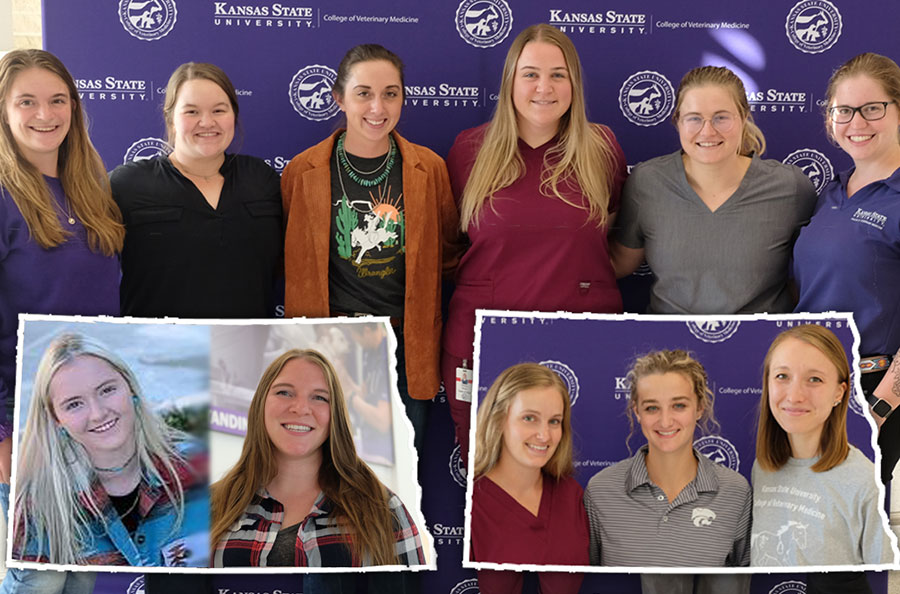
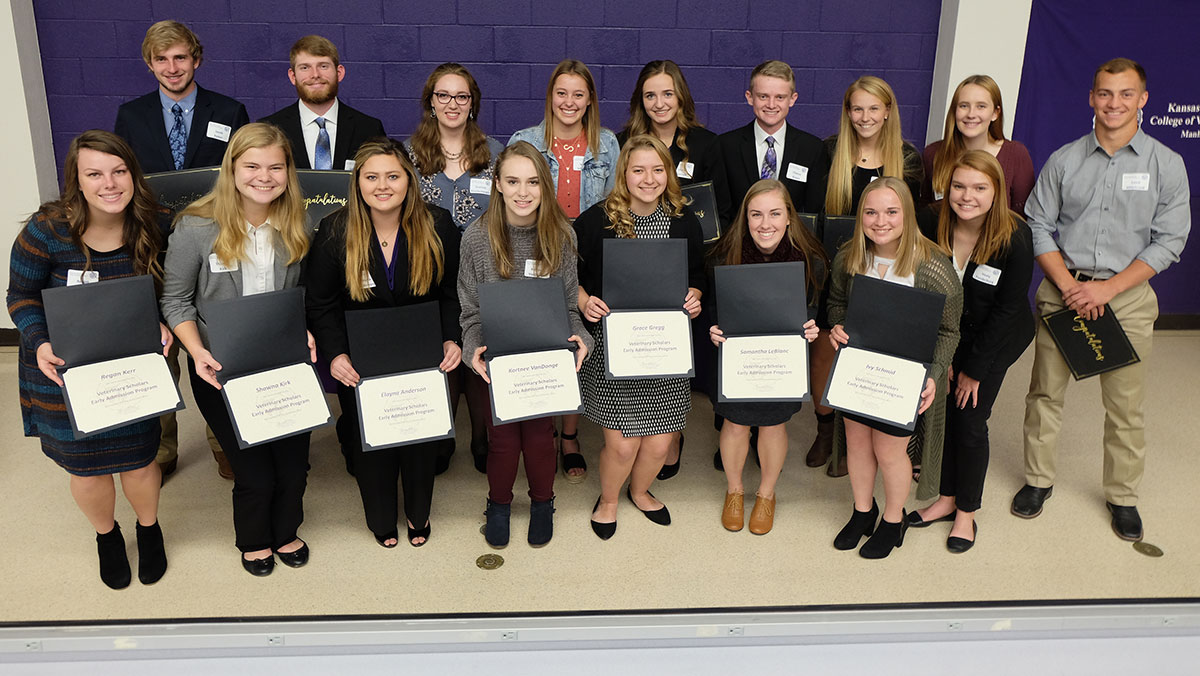
Back row: Morgan Dutton, Steele, first year; Kaden Strom, Bismarck, first year; Paige Schmidt, Medina, third year; Allison Wieler, Walhalla, third year; Codi Schaper, Grassy Butte, fourth year; and Jasmine Ridl, Dickinson, fourth year. Left inset photo: Taylor Knudson, Dahlen, second year; and Mikayla Lacher, Christine, second year. Right inset photo: Abigail Waloch-Tweeten, Washburn, fourth year; Kylee Nelson, Kenmare, fourth year; and Anne Brien, Rolla, third year.
Rebirth of the Birthing Center at the Kansas State Fair
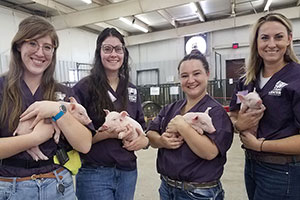 A longtime fall tradition was renewed this year - teams from the Veterinary Health Center's Livestock Services made daily trips to the Kansas State Fair in Hutchinson to meet with the public and provide expertise at the Birthing Center. Team members also took turns "broadcasting" reports via livestream on the college's Facebook, on a couple of occasions during the act of birth for the cows and pigs in the Birthing Center.
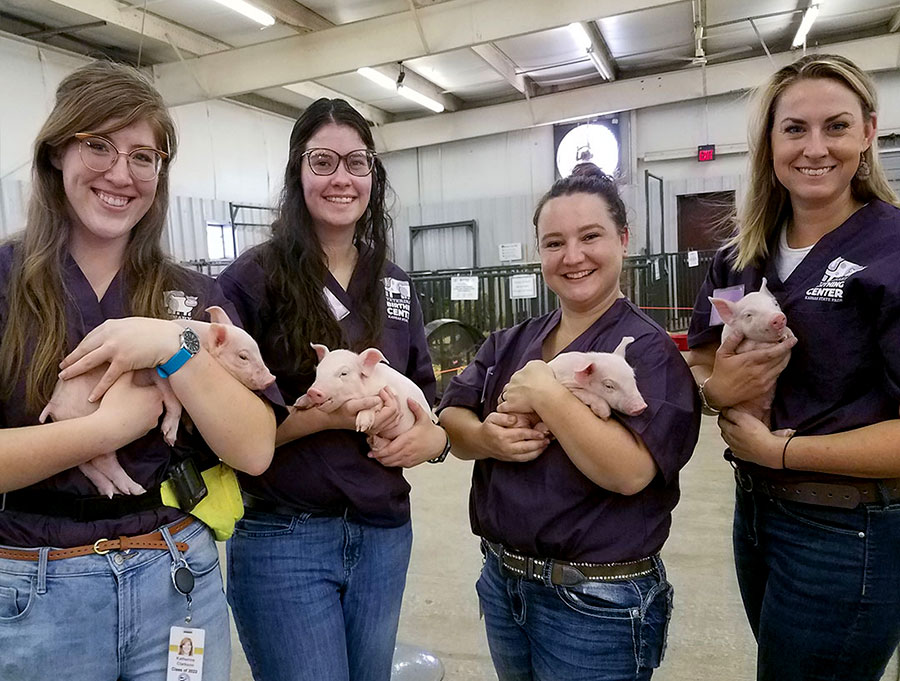
Fourth-year students Katherine Clarkson, Ashley Huesman and Sloane Miller as well as veterinary nurse intern Catherine Lowry (second from left).
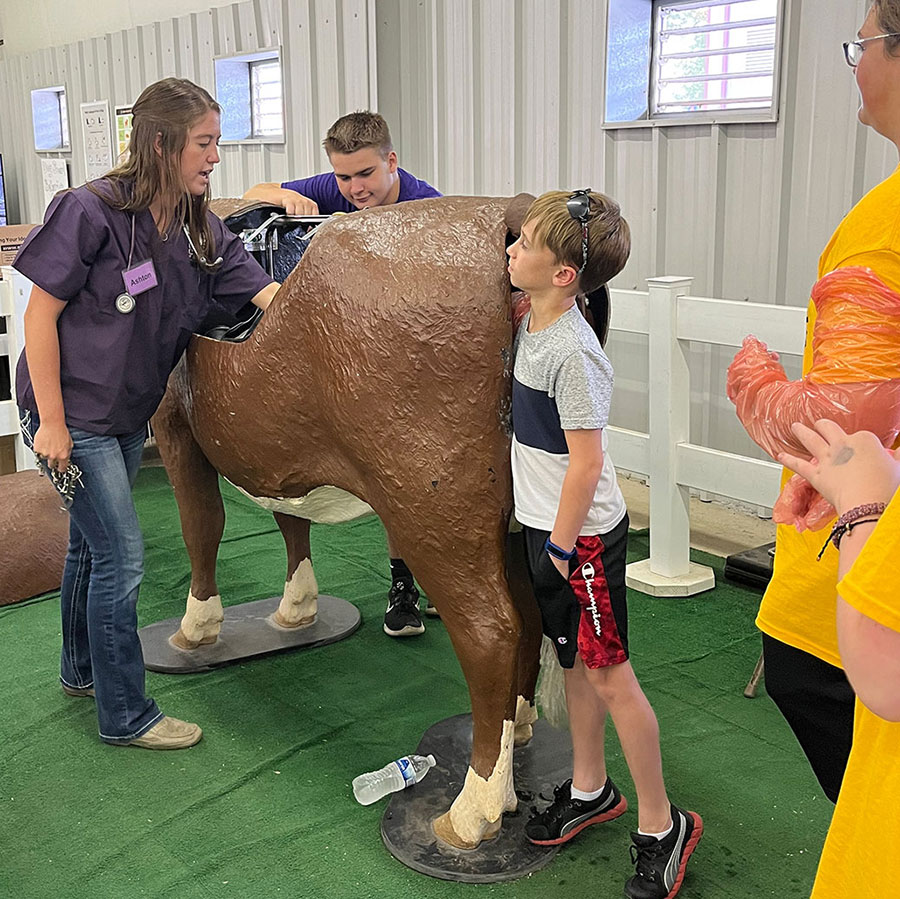
Fourth-year student Ashton O'Brien demonstrates "Bessie" to one of the youngsters attending the State Fair.
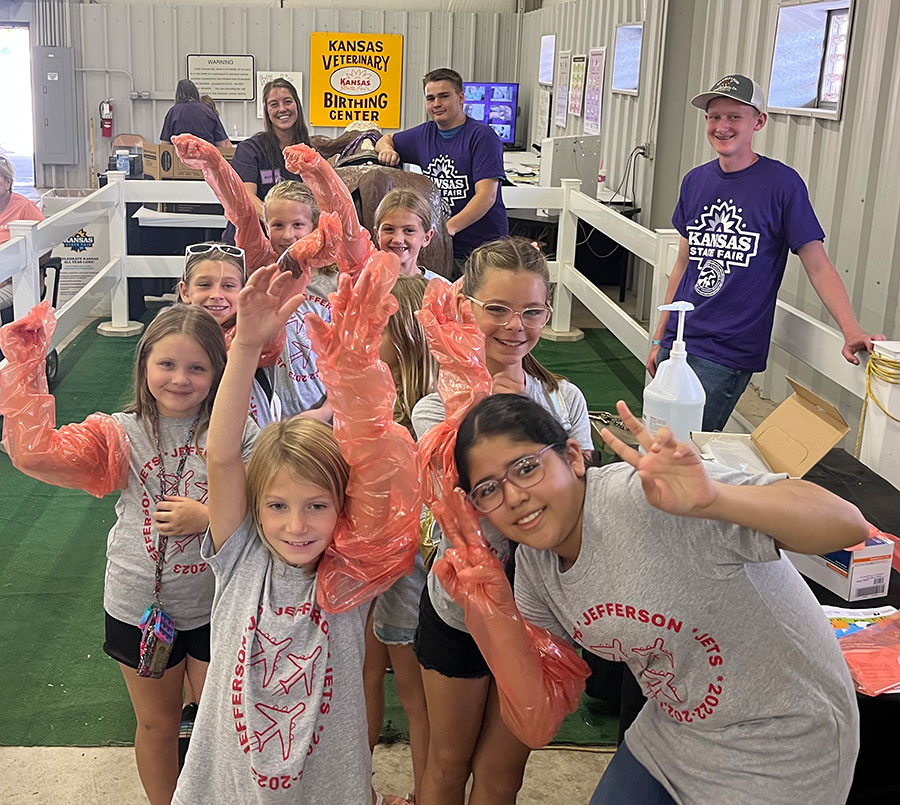
A group of elementary students are ready for their turns to try to palpate Bessie.
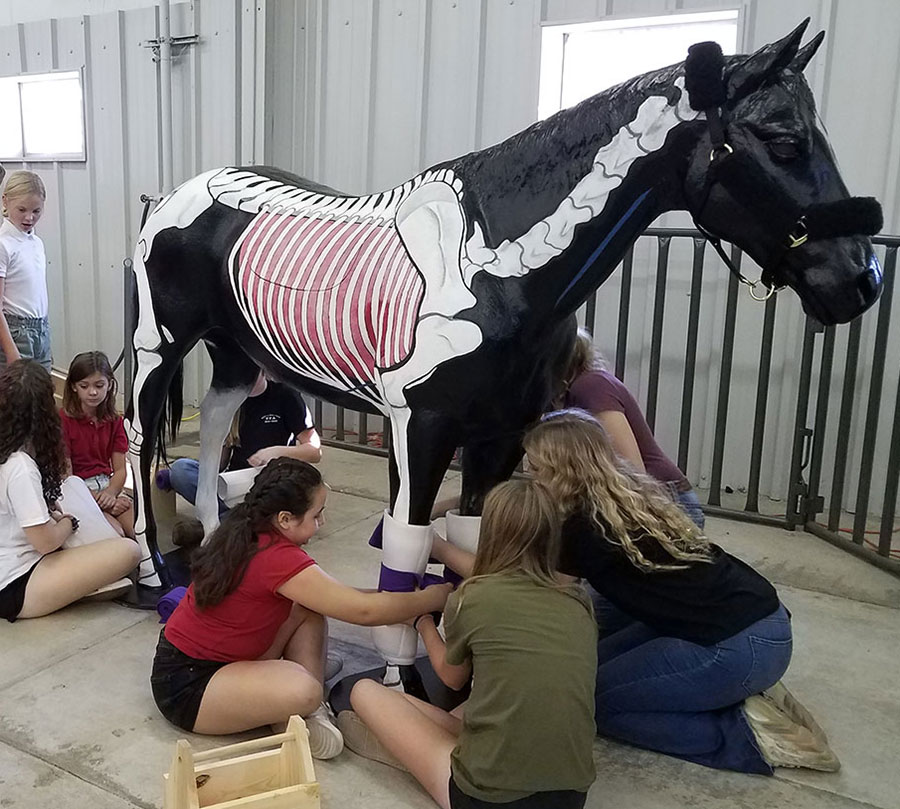
"Black Beauty" has a map of equine anatomy while also providing an opportunity to learn bandaging skills.
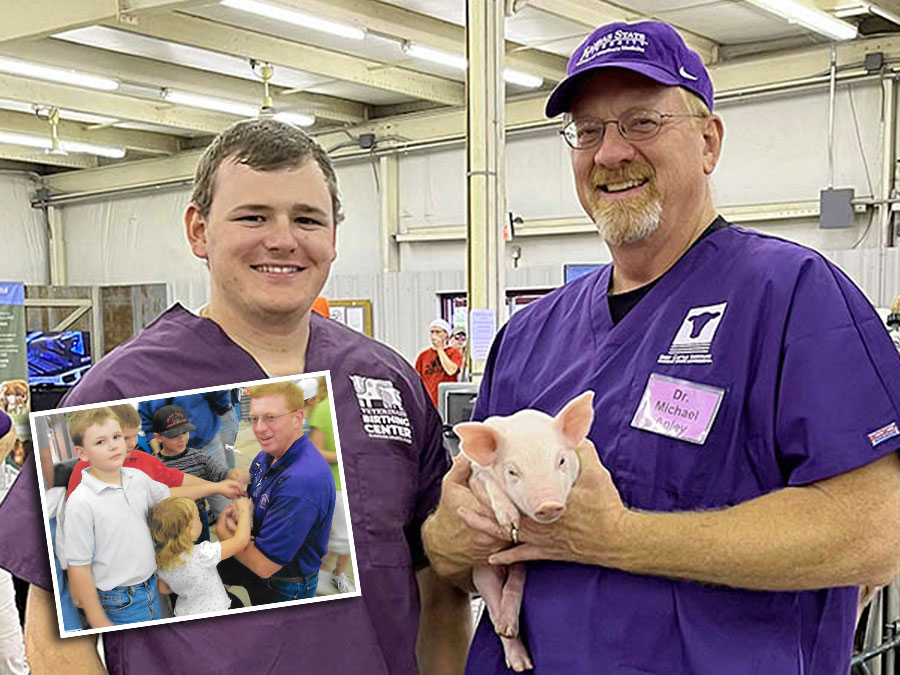
Fourth-year student Joel Nelson creates a full-circle, with the inset photo showing how he met CVM faculty member Dr. Mike Apley at the Kansas State Fair in 2006.
MPH and new undergraduate public health programs receive national accreditation
 The Bachelor of Science in public health and the Master of Public Health degree programs have both received national accreditation through the Council on Education for Public Health. The master’s degree program, housed in the College of Veterinary Medicine, is a long-standing K-State program, preparing individuals to better address health issues on local, state, national and international levels.
An interdisciplinary program, courses are taught by faculty from 12 different departments across five colleges and two university support units. Curriculum is designed to provide graduate-level education for those currently employed or anticipating a career in the field of public health. Students may choose on of four areas of emphasis for their MPH degree: food safety and biosecurity; infectious diseases and zoonoses; public health nutrition; and public health physical activity. Students also have an option to earn a certificate in public health core concepts. The master’s program has been continuously accredited since 2014. The bachelor’s degree program was added in spring 2021 by the Department of Kinesiology, College of Health and Human Sciences, allowing students to begin and grow their public health knowledge during their undergraduate years. Students develop a strong foundation in public health and other health-related fields through a core set of fundamental courses, practicum experiences and a variety of elective courses that fit their desired career path. Mirroring the structure of the master’s program, students in the bachelor’s program receive education from multiple faculty members from a variety of units and colleges. The bachelor’s program received accreditation in August 2022. Both degree programs will maintain accreditation in a single accreditation unit, the K-State public health program, which will be overseen by Dr. Ellyn Mulcahy, as the public health program director, Jennifer Miller as the bachelor’s program director, and by a shared governance structure of public health faculty. “Having both our undergraduate and graduate public health programs successfully receive accreditation from the Council on Education for Public Health will allow our students to seamlessly receive high quality public health training at K-State, and enable students to enroll in an accelerated Bachelor/Master in public health program,” Dr. Mulcahy said. About the Council on Education for Public Health: The Council on Education for Public Health assures quality health education and training to achieve excellence in practice, research and service through collaboration with organizational and community partners.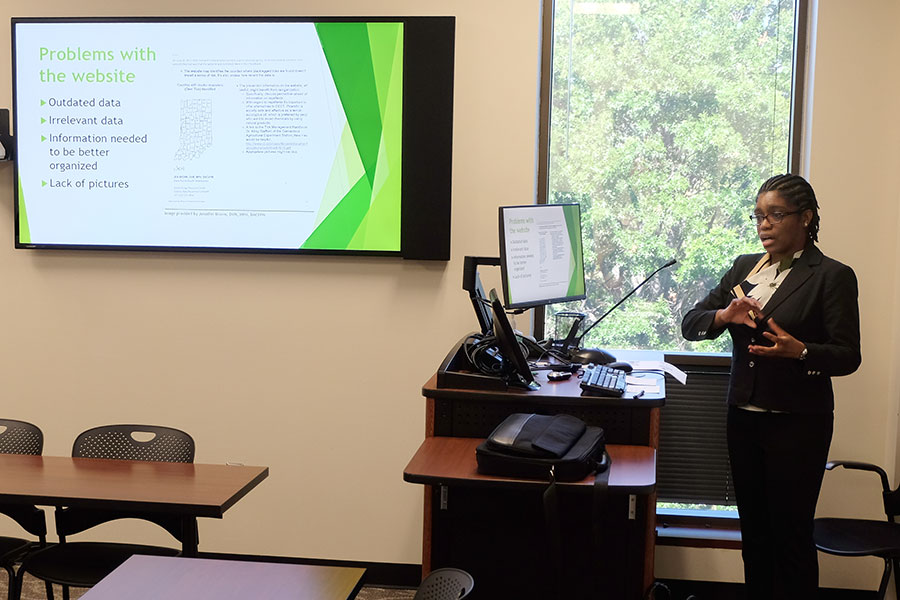
Dr. Crystal Drakes, DVM class of 2014, gives a defense of her Master of Public Health thesis in 2019. There are many DVM students and graduates who also earn an MPH degree while at K-State. A new undergraduate degree in public health is now being offered in the College of Health and Human Sciences, with the undergraduate and master's program earning accreditation through the CEPH.
Regular features
Alumni Events, Development and Continuing Education
 The Veterinary Medical Alumni Association organizes alumni receptions at several of the national annual conferences plus continuing education events and more.
Alumni Updates
Celebrating Dr. Janver Krehbiel at K-State and Michigan State via Zoom
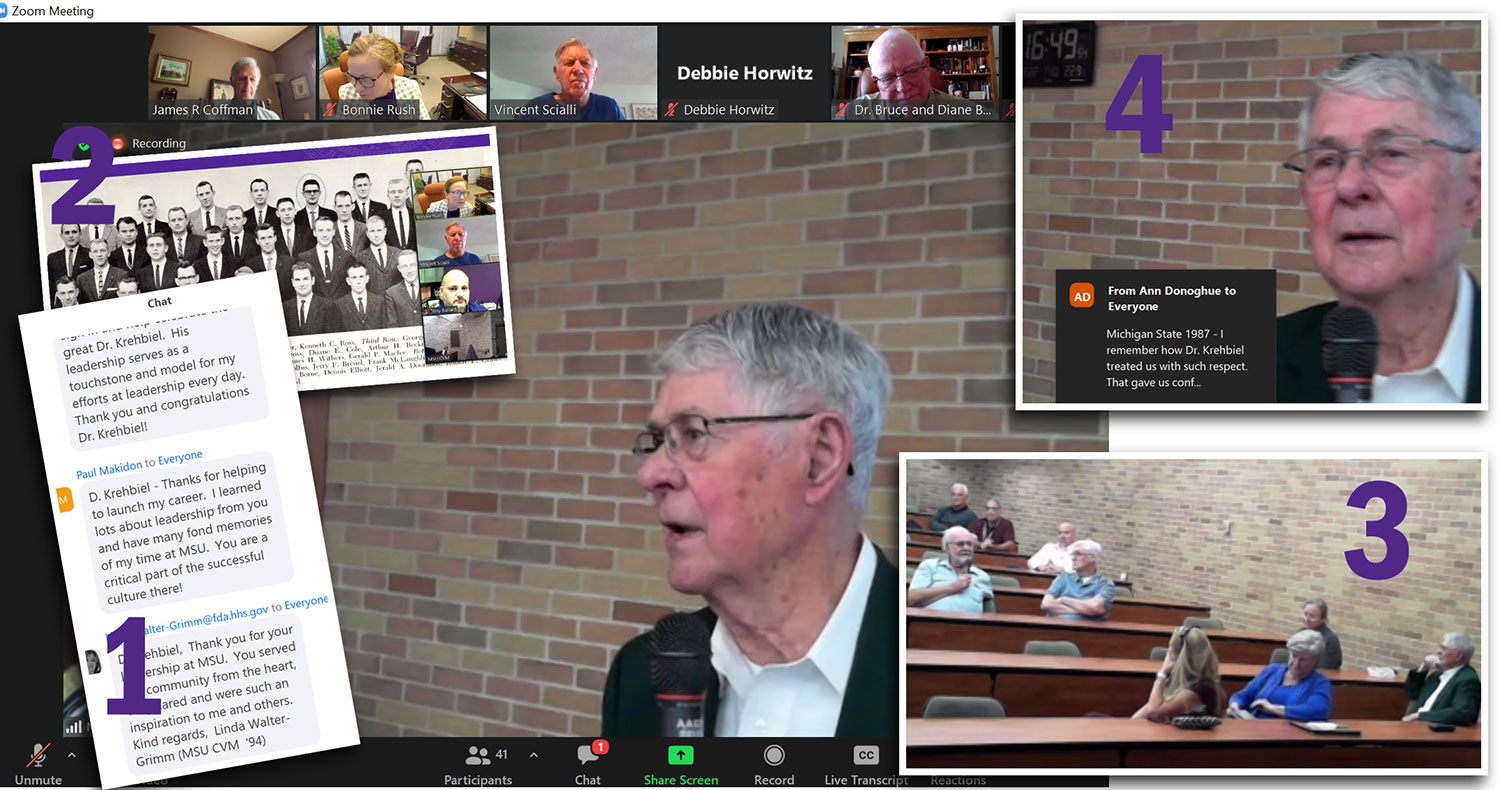
Dr. Janver D. Krehbiel, Okemos, Michigan, has been selected by the Kansas State University College of Veterinary Medicine’s Alumni Association for a 2022 Distinguished Alumnus Award. Born in Pretty Prairie, Kansas, Dr. Krehbiel grew up on a family farm. He earned his DVM at K-State in 1962. Now retired, Dr. Krehbiel enjoyed a 42-year career as an instructor in veterinary pathology and administrator for the Michigan State University (MSU) College of Veterinary Medicine. His award was presented via Zoom virtual meeting, where Dr. Krehbiel was joined in person by colleagues at the Michigan State veterinary college campus, and joined online by classmates and alumni from K-State. No. 1: several colleagues posted notes thanking Dr. Krehbiel for his influence and inspiration via the Zoom "chat" window. No. 2: Hodes Family Dean Bonnie Rush introduces Dr. Krehbiel and shares some pictures of he and his classmates from a Royal Purple yearbook. No. 3: Michigan State colleagues pass a microphone in the auditorium to share a few words about their appreciation for Dr. Krehbiel. No. 4 and background: Dr. Krehbiel shares some acknowledgements and appreciation for his professors, classmates and colleagues.
Join us for the K-State College of Veterinary Medicine Pregame Tailgate for the 2022 K-State Football Season!

Hosted at the College of Veterinary Medicine (1710 Denison)
We hope to see you at our K-State College of Veterinary Medicine Pregame Tailgate this season! We will be hosting a meal at each home game two hours prior to kickoff. Be sure to bring your friends and family for a great time with other alumni, faculty members, and students of the K-State College of Veterinary Medicine. Festivities will wrap up 30 minutes before kickoff to allow for travel time to the stadium. Come together and join the Vet Med family as we cheer on the Cats!
Parking for K-State College of Veterinary Medicine Alumni is free at the College of Veterinary Medicine – we will offer a shuttle service to and from The College of Veterinary Medicine and the Southeast entrance to the parking lot that connects with Jardine’s parking lot.
New Alumni Biography Videos are now online
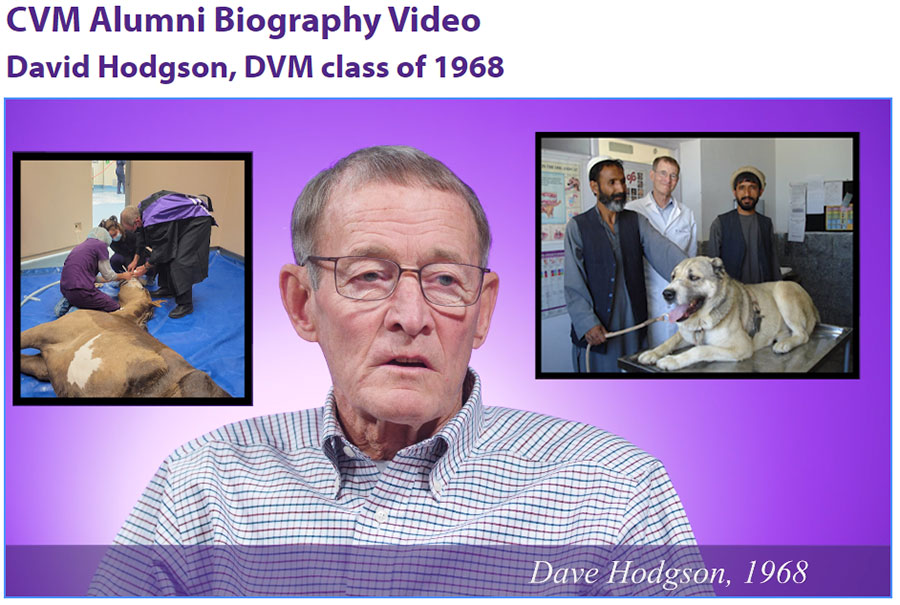
Two new videos have recently been added to the Alumni Biography Video page.
Dr. Tim McKenna, DVM class of 1959
Dr. David Hodgson, DVM class of 1968
Submit nominations for Alumni Recognition Awards onlineSee our new online nomination form to nominate a fellow alumnus for one of our many annual recognition awards, presented at the national conferences: VMX, WVC, AVMA and the Annual Conference for Veterinarians. See full details at the link below. |
In Memoriam - Recently Departed Alumni
No report this month |
Questions about Alumni or CE events?Contact:
|
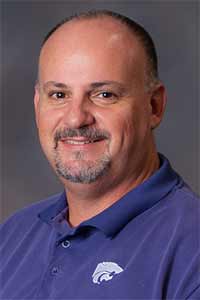 Tony Ballard
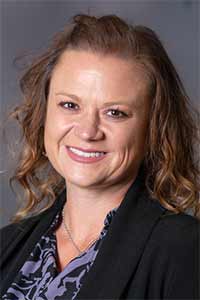 Sarah Keatley
News Ticker
|
More activities and accomplishments in the College of Veterinary Medicine: |
|
Dr. Jessica Meekins served as a mentor for the summer 2022 Specialized Programs for the Recruitment of Indigenous, Native, and Tribal Students (SPRINTS). The CVM recently hosted the 2nd Summer Program for Aspiring Rural Kansas (SPARK) Veterinarians. Drs. Matt Miesner, Warren Beard and all the equine and large animal clinicians, nurses, veterinary assistants, house officers and fourth-year students provided learning opportunities for the participants. Getting back into Dodge
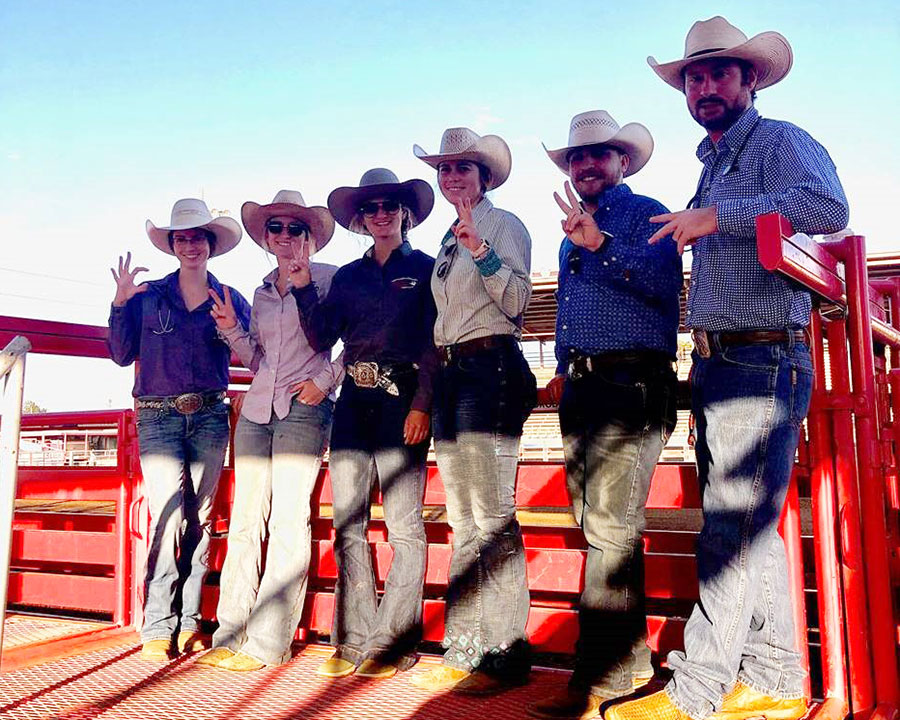
Dr. Chris Blevins (not pictured) and fourth-year students Cora Farley, Tabitha Tschenz (veterinary assistant), Kylee Nelson, Shiloh Murray, Lane Forge and Lance Berry served as the veterinarians at the Dodge City Roundup Rodeo Aug. 1-7. Dr. Elizabeth Davis served as an expert panelist for “Vaccinations for Prevention of Infectious Respiratory Conditions in Performance Horses” for a European seminar on Aug. 23. Dr. Brad Crauer presented a webinar, Saving Lives and Providing Humane Care – A One Health Approach, for the 1st International Companion Animal Welfare Conference that was held in Hangzhou, China. Initially the conference was to be held in person, but due to COVID, presentations were recorded or held remotely. Shelter Medicine visits Santee Sioux Nation |
|
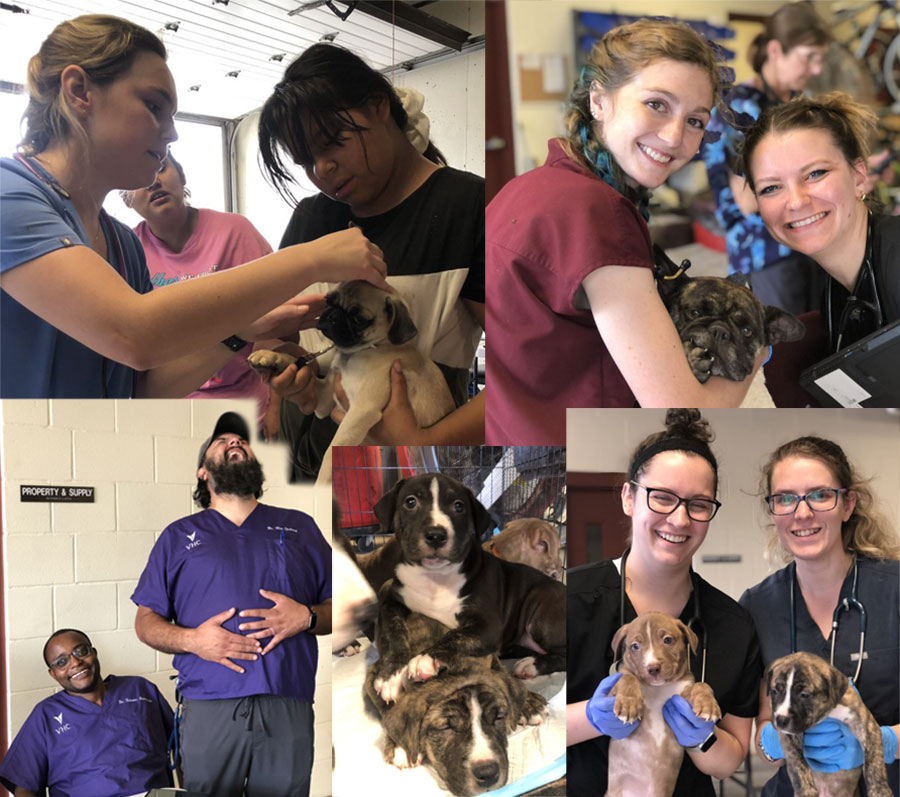
From Aug. 26-28, the K-State Shelter Medicine Program partnered with the Santee Sioux Nation to provide wellness services, spay/neuter and dentistry services at this semi-annual event. The team was comprised of K-State veterinary assistant Melissa Dalton, two first-year veterinary students, Elizabeth Scarbrough and Chloe Capodagli; five fourth-year veterinary students, Kacey Cooper, Jennifer Schneider, Meagan O’Brien, Delaney Kinford and Alexis Kehs; three K-State veterinarians, Drs. Cody Dressler, Tichaona Murambinda and Ron Orchard); and a customer service representative, Logan Linenberger. The team served 89 pets and performed 20 surgeries and four dental procedures. They are looking forward to returning to the reservation in the spring! |
Sand and Sun!
|
Photo fun: Starting the semester by learning new clinical skills
|
Coppoc One-Health Lecture debuts with researcher from down under |
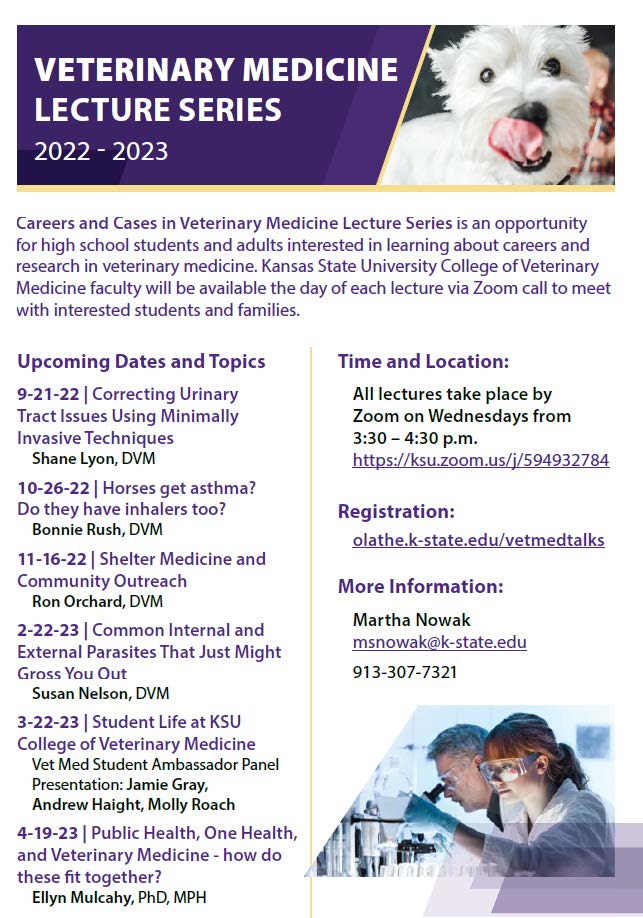
K-State Olathe features professional development in animal health topicsPesticides in Animal Health | Oct. 12-13 Advanced Animal Pharmaceutical | Nov. 9-10 Roadmap to Market: Supply Chain in Animal Health | Dec. 8 |
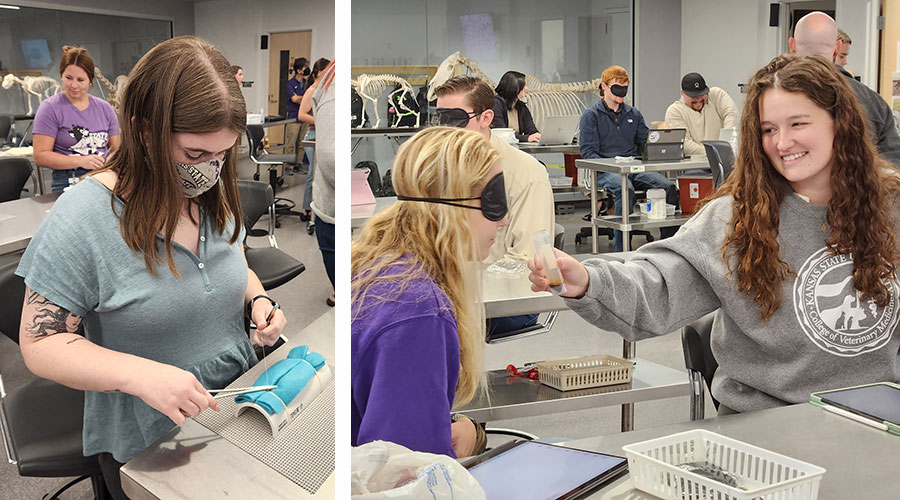 The classes of 2025 and 2026 have spent the first few weeks of the fall semester working on subcuticular suturing and olfaction exercises, among other important clinical skills.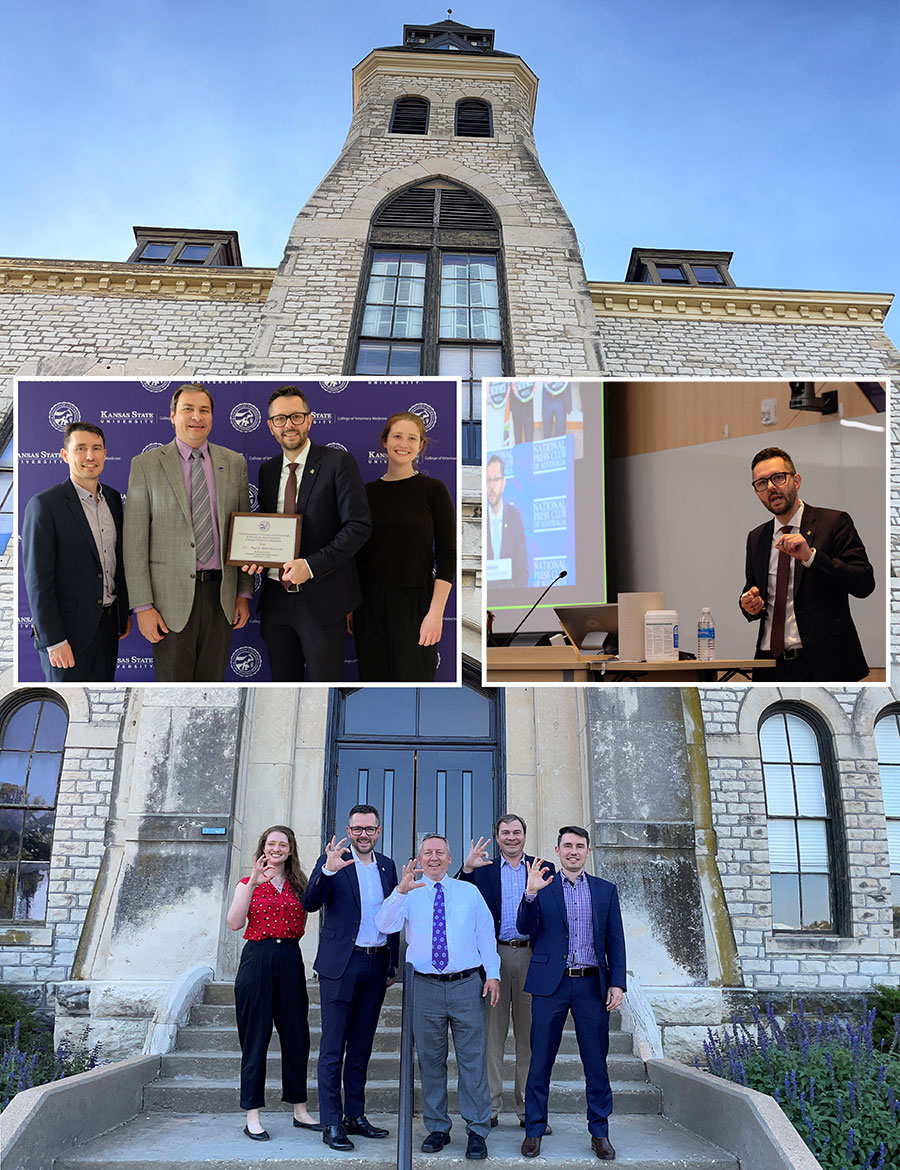
 Join the College of Veterinary Medicine on LinkedIn and add us to your profile under education and/or employment to help build and engage our online social community! Follow the LinkedIn page here: www.linkedin.com/company/kstatevetmed
New Arrivals/Recent Departures
Lifelines is published each month by the Marketing and Communications Office at the College of Veterinary Medicine. The editor is Joe Montgomery, jmontgom@vet.k-state.edu.