
Monthly Newsletter
August 2022 - Vol. 17, No. 8
<July 2022 | September 2022>
Top Stories
Acing the test: New Wildcat veterinary graduates excel on national licensing exam

The numbers are in: This year, the Kansas State University Doctor of Veterinary Medicine class of 2022 passed the North American Veterinary Licensing Examination, or NAVLE, at a rate of 99%, which is nine percentage points above the pass rate average of 90% for other colleges of veterinary medicine.
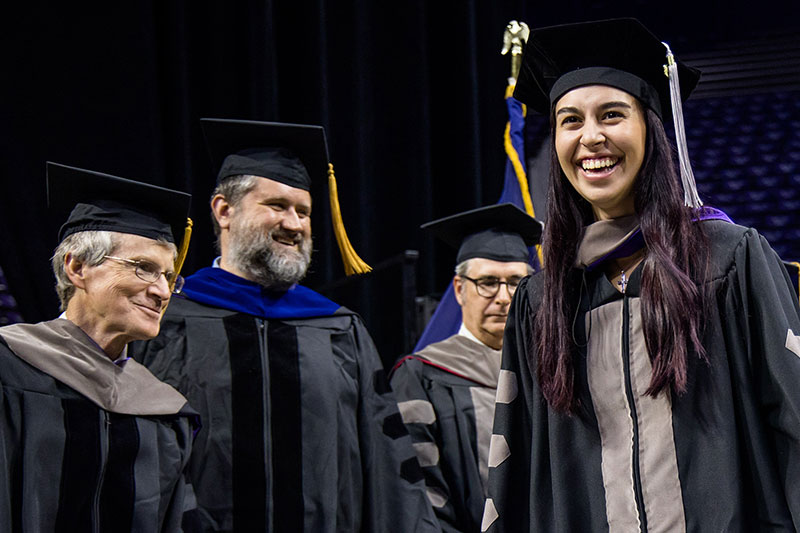
Dr. Abigail Ayre receives her DVM hood at commencement with (from left) Drs. Derek Mosier, department head for diagnostic medicine/pathobiology, Matt Basel, assistant professor of physiology, and Thomas Schermerhorn, professor of small animal internal medicine and Morgan K “Al” Jarvis Chair in Veterinary Medicine. (Photo by Emma Highfill)
The previous high mark for the K-State veterinary college was set by last year’s graduates at 5 percentage points above the national average. In 13 of the last 14 years, K-State has been above the national score.
“Our senior students always perform well on the national exam, but a 9-percentage point margin is unprecedented,” said Dr. Bonnie Rush, Hodes Family Dean. “Our faculty taught in person during the COVID pandemic — unlike the majority of veterinary colleges. Every laboratory section was taught face to face with exactly the same opportunities as any normal year. The effort of the CVM faculty and staff to support student learning has been incredible. As a college, we were committed to providing K-State DVM students with an experience as close to normal as possible during an extremely challenging time.”
Senior students from 2020 and 2021 missed less time in the clinical training program than any other college of veterinary medicine in North America. The class of 2022 did not miss any portion of its clinical training program.
Hodes Family Dean Rush emphasized that a variety of factors contributed to K-State’s successful trend. The college provides each senior student with a commercial product, VetPrep, to support their preparation for the national licensing exam. VetPrep features practice questions and additional summary resources.
“Many DVM students in the U.S. purchase this resource to prepare for NAVLE, however, we provide students with additional data that monitors progress toward success,” Hodes Family Dean Rush said. “K-State has provided this resource to veterinary students since 2018. Additionally, the effort of our talented senior students to prepare last year was outstanding.”
A deeper dive shows how K-State graduates fared in different aspects of the licensing examination.
“The International Council for Veterinary Assessment breaks down the NAVLE into 22 categories,” said Dr. James Roush, associate dean for academic programs and student success. “The K-State 2022 class was at or above average in 21 out of 22 categories.”
These categories include a set of competencies such as preventive medicine, public health, practice management, problem management and diagnoses for 12 species categories ranging from canines and felines to livestock and poultry as well as reptiles, pet birds and other small mammals.
Dr. Roush called the successful pass rate numbers a “shared victory” among the efforts of all faculty, staff and the 2022 graduates themselves.
“Everyone here at the college has a part in this milestone,” Dr. Roush said. “Four years of tireless effort, new trials and challenges through the pandemic and following year, long days and sometimes sleepless nights — and it is all worth it as the 2022 graduates get a great start on their new careers.”
More information on the national licensing examination is available at: https://www.icva.net/navle/
CVM researchers identify potential treatment for emerging rabbit diseases
By Wendy Barnes
Going down the rabbit hole is not so bad if it means saving the lives of wild and domestic rabbits threatened by the recent spread of diseases. Currently, there is no treatment for Rabbit hemorrhagic disease (RHD) and European brown hare syndrome (EBHS), both of which are caused by lagoviruses. But hope is on the horizon due to a discovery by a team of researchers at Kansas State University.
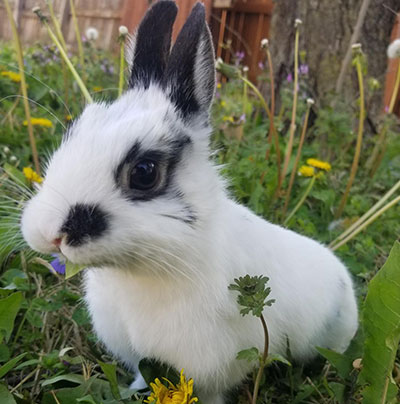 In July 2022, the National Veterinary Service Laboratories confirmed a case of Rabbit Hemorrhagic Disease Virus Type 2 (RHDV2) in Kansas. This is the first instance in the state, despite surrounding states such as Colorado already reporting cases since early 2020. The finding makes the work of Dr. Yunjeong Kim and her team more urgent.
“The article says that the first detection of RHDV2 in Kansas was confirmed in a domestic rabbit, although most of states west of Kansas have reported RHDV2 in wild rabbits as well as domestic rabbits,” Dr. Kim said. “As it is hard to eradicate viruses from wild animal (rabbit) populations, and this virus is very infectious, it is likely that we are going to see more cases in the future.”
Through collaboration with researchers from other Kansas Board of Regents universities — Dr. William Groutas at Wichita State University and Dr. Scott Lovell at the University of Kansas — CVM virologists Drs. Kim and Kyeong-Ok Chang have identified potent small-molecule inhibitors with the potential to be developed as antiviral drugs for lagoviruses.
RHD and EBS are highly contagious with high mortality rates, affecting domestic and wild rabbits, as well as riparian brush rabbits, an endangered species. According to Dr. Kim, symptoms of the disease, may or may not appear prior to death. Symptoms can include lethargy, lack of appetite, neurological or respiratory distress, jaundice or weight loss. Death comes shortly after infection, in a matter of a few days or weeks, or rabbits may suffer for weeks before death. In some cases, rabbits may survive.
Because it is difficult to develop an effective antiviral drug for any species, there is no treatment in place. The most effective option is to vaccinate rabbits against the rapid, deadly disease.
“Prior to this year, RHDV vaccines had to be imported from the EU on a permit,” Dr. Kim said. “Now, there is a new RHDV2 vaccine that was granted emergency use authorization by USDA in Oct 2021. Vaccination is important in protecting rabbits from serious diseases and death, but like any other infectious diseases, antiviral drugs are another important part of medical countermeasures. Animals can get infected when they are not vaccinated, or protective immunity has not yet developed after vaccination. Or sometimes despite vaccination.”
Dr. Kim said the development of an antiviral drug could provide a much-needed treatment for afflicted rabbits, especially those not found in the wild.
“Pet rabbits and endangered rabbits in captive-breeding programs are an especially good target for antiviral treatment,” Kim said. “Antiviral drugs may also be used as prevention when rabbits are exposed to the virus and need prompt protection.”
While an antiviral strategy may prove to be the answer for both treatment and protection, the development of a viable drug will take time.
“The inhibitors have not been tested in live rabbits, so it still requires more research,” Dr. Kim said. “We think these findings are encouraging, especially given how our inhibitor now under commercial development for FIPV is one of the same inhibitors shown to be effective against lagovirus proteases.”
More information about RHD is available on the AVMA (American Veterinary Medical Association) website.
Veterinary student Dannell Kopp receives FFAR Fellowship for 2022

The Foundation for Food & Agriculture Research (FFAR) and the American Association of Veterinary Medical Colleges (AAVMC) announced 13 recipients of the 2022 Veterinary Student Research Fellowships (FFAR Vet Fellows), and among these is a K-State second-year veterinary student, Dannell Kopp.
This unique fellowship creates opportunities for veterinary students around the world to conduct research to advance global food security, sustainable animal production and environmental sustainability. Veterinarians trained in animal science and public health are key to addressing many global challenges within the veterinary and agricultural fields. The FFAR Vet Fellows program enables veterinary students to pursue research outside of the biomedical sciences and gain experiential learning opportunities with a qualified mentor. This fellowship culminates with student presentations at the annual National Veterinary Scholars Symposium. "FFAR is thrilled to support the fourth cohort of FFAR Vet Fellows in partnership with AAVMC," said Dr. Tim Kurt, scientific program director for Advanced Animal Systems. "This pioneering fellowship allows future veterinarians to sharpen their research skills to solve current and emerging food and agriculture challenges. We are excited about the variety of student research topics and the potential positive impacts on animal health and student career development." FFAR posted information about Dannell's research as follows: "Earlier administration of antimicrobial treatments for respiratory diseases in feeder cattle can improve recovery with fewer long-term effects. Kopp is developing a predictive model with new applications for data-assisted decision making in beef cattle production. This model will allow beef producers to administer antibiotic treatment more effectively, leading to improved animal health and antimicrobial stewardship." Dannell worked with a research mentor in the summer of 2022, Dr. Robert Larson, professor of production medicine and Edgar E. and M. Elizabeth Coleman Chair Food Animal Production Medicine. As it turns out, Dannell and Dr. Larson share a hometown connection from Hiawatha, Kansas. "Being raised on my family’s farm and ranch fostered my love for livestock animals," Dannell said. "I also had some great mentors in the area, one of whom being retired veterinarian Dr. Irv Schwalm, who inspired me in my career choices." Dannell said she was active in 4-H and FFA, which is also similar to Dr. Larson. "Both of those experiences and the adult mentorship I received were very important in the development of my interest in veterinary medicine," Dr. Larson said. "Obviously my parents played an important role in developing my interests, but other adults like Steve Smith, Roger Gatz, and my FFA advisors all provided important mentorship. Although Dannell and I didn't have the same teachers, we both had some excellent science and math teachers at the schools in Hiawatha." Dannell and Dr. Larson also share interests in food animal production, so she's taking advantage of her opportunities to work with him and other experts while going to college. "Growing up, I was heavily involved in my family's cow calf operation which prompted my interest in cattle," Dannell said. "My studies while completing a Bachelor of Science in agricultural economics at Kansas State University encouraged my interest in incorporating economics into veterinary decision making. The VRSP project has given me a fantastic opportunity to combine my training in economics with my current veterinary studies." The Foundation for Food & Agriculture Research (FFAR) builds public-private partnerships to fund bold research addressing big food and agriculture challenges. FFAR was established in the 2014 Farm Bill to increase public agriculture research investments, fill knowledge gaps and complement USDA’s research agenda. FFAR’s model matches federal funding from Congress with private funding, delivering a powerful return on taxpayer investment. Through collaboration and partnerships, FFAR advances actionable science benefiting farmers, consumers and the environment.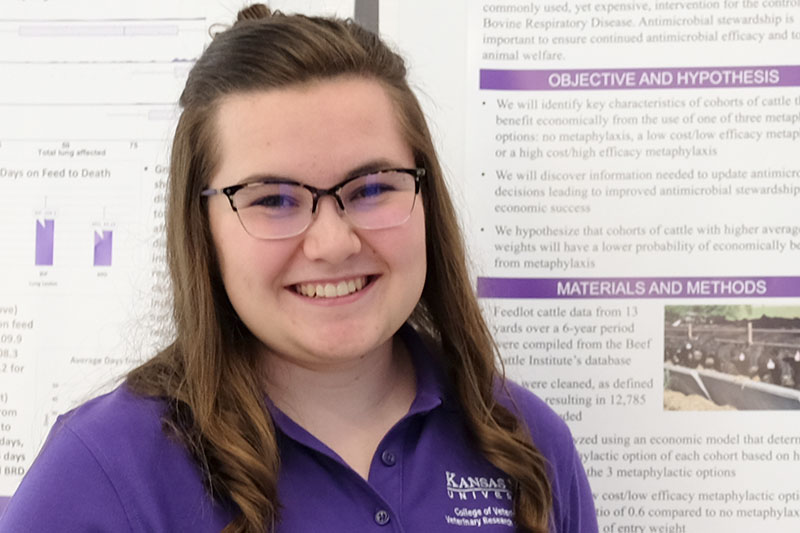
Second-year student Dannell Kopp is a 2022 recipient of a FFAR Fellowship. Her research projects in the VRSP (Veterinary Research Scholars Program) helped qualify her for eligibility toward the scholarship. 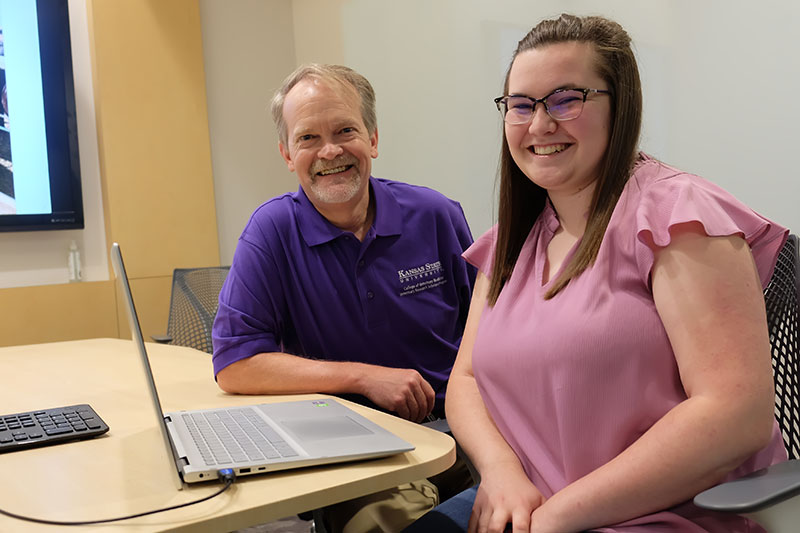
Dr. Robert Larson guides Dannell through a summer research project in the VRSP. Dannell's project title was "Predictive model development to promote science-based, strategic metaphylaxis administration in beef operations."A great mentor with a shared connection
About FFAR
More Headlines
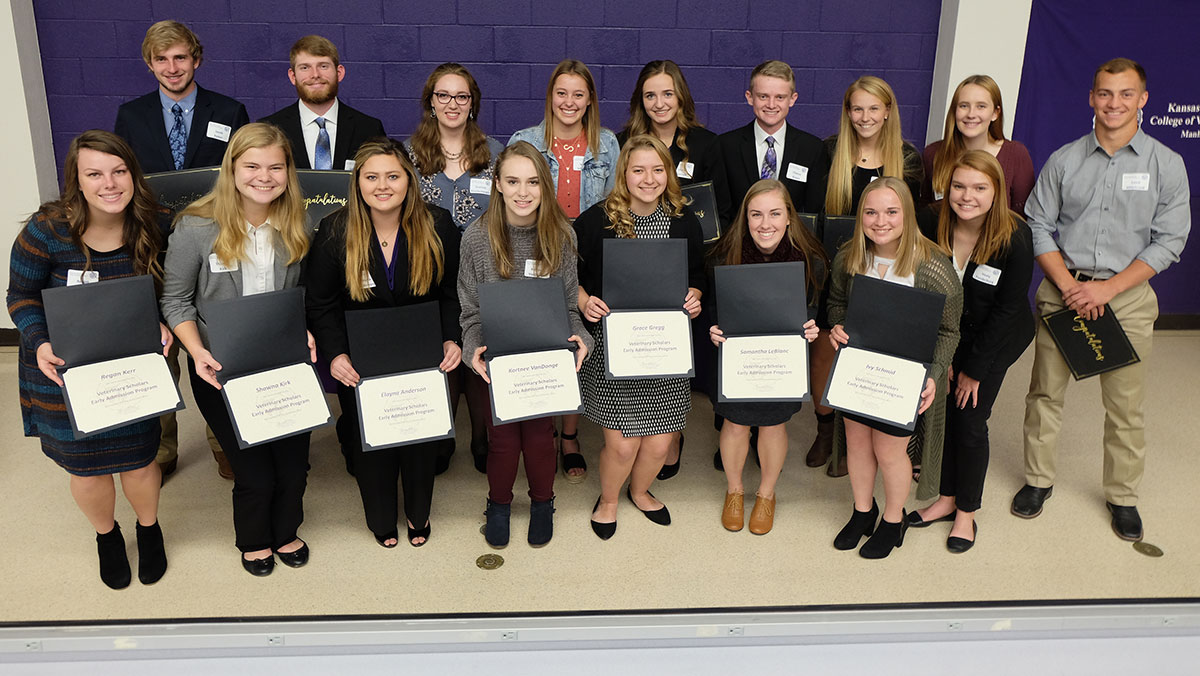
Early Admission Program announces new class and opens enrollment for the next class

The CVM has announced a new class of students for its Early Admission Program and will now be accepting applications through Feb. 1, 2023 for the next class of students.
After that date, interviews will occur and selections will be announced later in the year.
The program is open to high school seniors who have been admitted as undergraduate students to K-State with an interest in veterinary medicine and a 29 or above composite ACT score — or SAT equivalent. Students must currently be enrolled in high school and plan to attend K-State in the fall semester following their high school graduation.
The 2022 class of Early Admission Scholars are: Ethan Christy, Lawrence; and Nairilys Santana, Manhattan.
From out of state: Lailah Bias, Fort Worth, Texas; Anna Mannix, Springfield, Missouri; Logan Mitchell, Blue Springs, Missouri; Lara Rubin, Katy, Texas; and Kylie Schaeferle, Centerburg, Ohio.
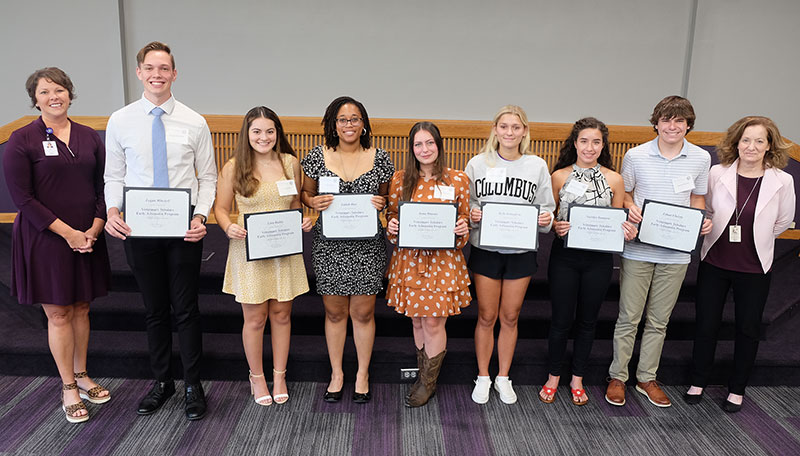
Dr. Caroline Rost (left), assistant dean of admission, and Hodes Family Dean Dr. Bonnie Rush (far right), welcome the 2022 class of Early Admission Scholars: (from left) Logan Mitchell, Lara Rubin, Lailah Bias, Anna Mannix, Kylie Schaeferle, Nairilys Santana and Ethan Christy.
"The goal of the Early Admission Program is to recruit exceptional candidates for admission to the College of Veterinary Medicine and provide unique experiences that guide students toward advanced clinical and research training to produce future leaders in veterinary medicine," said Dr. Caroline Rost, assistant dean for admissions.
The College of Veterinary Medicine assigns a veterinary student mentor to each Early Admit Scholar to stimulate career and academic development and to provide orientation and access to college activities. The pre-veterinary students attend regular meetings during the academic year to develop a sense of community and share their progress.
Kyndall Neal, K-State third-year veterinary student from Riley, Kansas, said being accepted into the Early Admission Program gave her the chance to explore different options for her future.
“Knowing I was already accepted into veterinary school gave me the time and confidence to pursue other classes and opportunities that have not only helped me in veterinary school, but have also shaped the direction I want my career to go,” Kyndall said.
Students admitted to the Early Admission Program develop strong relationships with peers and mentors in the College of Veterinary Medicine.
“The early admissions program is a tight knit group in which you'll find friends, classmates, as well as colleagues in,” Kyndall said. “By having the connections made in the early admissions program, I felt more connected and prepared to go to veterinary school here and had already been interacting with some of the professors and deans.”
Find more information about the program and how to apply at vet.k-state.edu/admissions/early-admit.
Dr. Susan Nelson says immunizations keep pets healthy
A Kansas State University veterinarian says immunizations are a great step to ensure pets live a happy, healthy life. "Vaccinations can help extend the life of your pet by protecting them from many diseases," said Dr. Susan Nelson, clinical professor at the university's Veterinary Health Center.
"Immunizations are also much less expensive than having to treat these serious diseases and, in many cases, can prevent pets from dying," Dr. Nelson said. Vaccines help the immune system defend against specific diseases through antibody development. The antibodies search for and destroy the disease-producing organisms in the body they were designed to defend against. Dogs and cats have two categories of vaccines: core and non-core vaccines. According to Dr. Nelson, every cat and dog should receive core vaccines as the diseases they protect against cause serious illness or death, and are common not only where the pet lives, but also worldwide. Core vaccines prevent common diseases like rabies, distemper, parvovirus and hepatitis in dogs and rabies, herpesvirus, calicivirus and panleukopenia in cats. Non-core diseases can also cause serious illnesses, but are based on the geographic area where the pet lives and its lifestyle, including if it goes outdoors, if it will be boarded or have contact with wildlife. Examples include bordetella (kennel cough), Lyme disease and canine influenza in dogs and feline leukemia for cats. Dr. Nelson advises owners to work with a veterinarian to develop an appropriate vaccine protocol for individual pets based on their lifestyle. "Pets can get many diseases from wildlife, including rabies, parvo and distemper, and vaccinations can help keep them protected against these," Dr. Nelson said. "Vaccinations help protect your pet from diseases it can get from other animals, and they can also help protect people from some diseases pets can transmit to humans. While some vaccines may not keep your pet from getting ill, they can greatly reduce their chances of developing severe disease." Dr. Nelson recommends that puppies and kittens receive a series of core vaccines every three to four weeks, starting at 6-8 weeks of age and ending between 16-18 weeks of age. Older dogs and cats need some annually, while others may be needed every few years. Some vaccines also need a series of boosters to give complete protection before their frequency can be reduced. An incomplete series can leave pets vulnerable to infections. For some diseases, the level of antibodies, or titers, in the blood can be measured in lieu of vaccination. Nelson cautions that for many diseases, antibody measurement is not an option. "There are some diseases for which research shows that an appropriate level of measured antibodies is indicative of protection from that disease; but for many, we do not yet have those answers," Dr. Nelson said. "Your veterinarian can discuss which diseases may be measured through titers in lieu of vaccination and how often these titers should be checked."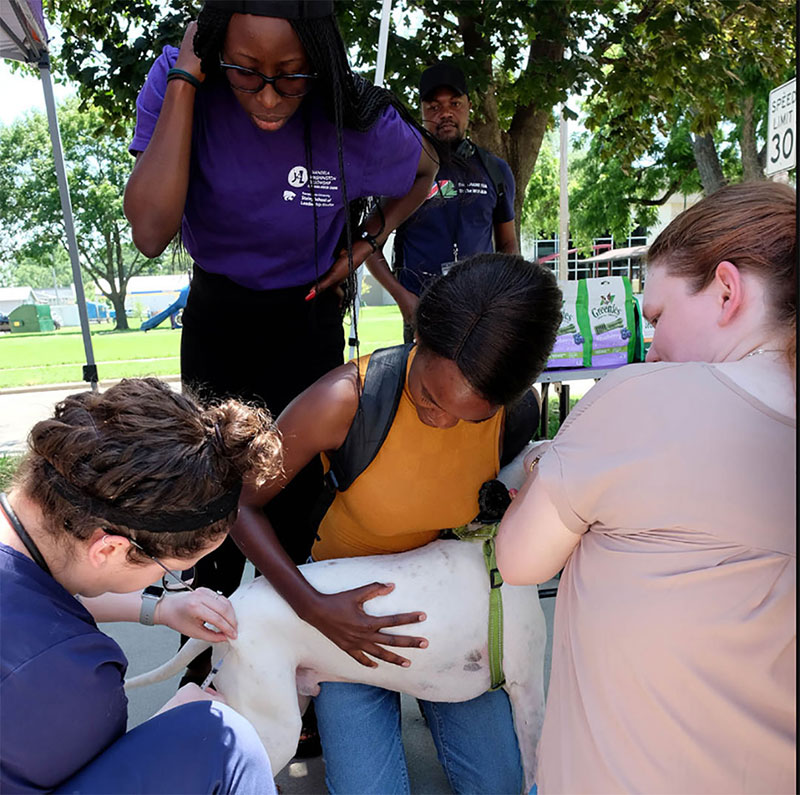
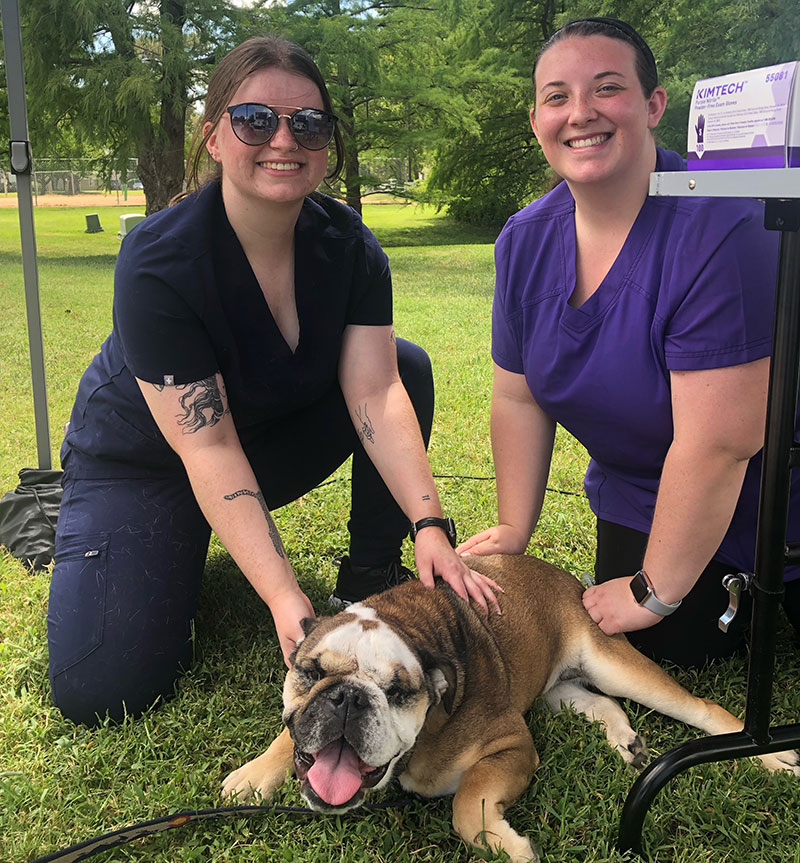
Fourth-year students Jennifer Schneider (left) and Jessica Garrison (right) immunize a pet at Manhattan's Douglass Community Center as part of a community outreach event with the CVM's Shelter Medicine program. Sandra Nyika, a visiting member of the Mandela Washington Fellows group at K-State, holds a local canine that was brought to the outreach event.
Dr. Nelson says most pets have minimal to no side effects from vaccines. Similar to humans, typical reactions to immunization in dogs and cats include 24-48 hours of low-grade fever, mild pain at the injection site, swelling at the injection site, lethargy, mild diarrhea or a single episode of vomiting. Contact a veterinarian if your pet experiences more severe symptoms.
"For the vast majority of pets, the benefits of vaccines greatly outweigh their risks," Nelson said. "Life-threatening adverse vaccine events are rare. If your pet is one of the few that has had a severe reaction, or you are worried your pet may have one, some steps can be taken to help minimize the chance of this happening. Speak with your veterinarian about these options instead of avoiding vaccinations altogether."
New Coppoc ‘ONE Health’ lecture to feature renowned international neuroscientist
 A new lecture series honoring a graduate from the College of Veterinary Medicine will launch Tuesday, Sept. 13 at 3 p.m. in the Boehringer Ingelheim Animal Health Auditorium between Trotter and Mosier Hall.
 |
| Mark Hutchinson |
The lecture will be followed by a reception in the atrium. The inaugural lecturer will be Mark Hutchinson, director of the Centre for Nanoscale BioPhotonics (CNBP) at the University of Adelaide, Australia. The title of his presentation is “Pain in 4D: the journey from the nanoscale to systems biology impact,” and will also be available to view via Zoom: https://ksu.zoom.us/j/99036138403
A vision for a new lectures series
The Coppoc ONE Health Lecture was established through the generosity of Dr. Gordon and Harriet Coppoc. Dr. Coppoc received his bachelor’s degree in animal science in 1961 and his Doctor of Veterinary Medicine degree in 1963, both from Kansas State University. He was awarded his Ph.D. in pharmacology from Harvard University in 1968, served as a captain at the School of Aerospace Medicine, and was a research fellow at the University of Chicago before joining the faculty of Purdue University in 1971.
In 1979, he was appointed as department head of physiology and pharmacology at Purdue and was later head of the department of basic medical science formed from the merger of his former department and the department of anatomy until stepping down from that position in 2008. He taught pharmacology to both veterinary and medical students until he retired.
In 1998, he was appointed assistant dean of the Indiana University School of Medicine and director of the Lafayette Center for Medical Education at Purdue and retired from that position as an associate dean. In 2004, the K-State College of Veterinary Medicine presented an alumni recognition award to Dr. Coppoc. He retired in 2014.
Mark Hutchinson to be inaugural speaker
The objective of the Coppoc lecture series is to bring internationally acclaimed scientists to K-State to discuss their research interests with students and faculty throughout the university, focusing specifically on One Health, which are issues that emphasize the connections between animal and human health. Dr. Coppoc especially appreciated the connections because of his career in both veterinary and human medicine.
“We are indebted to Dr. Gordon and Harriet Coppoc whose generous gift has made it possible to bring international experts such as Dr. Hutchinson, whose research fosters collaboration between human and veterinary medicine, to our campus” said Dr. Hans Coetzee, University Distinguished Professor and head of the Department of Anatomy and Physiology. “The assessment and management of pain is a significant challenge for both physicians and veterinarians. Dr Hutchinson is at the forefront of investigating the complex relationships between molecules and cells, and the systemic manifestations of pain in both humans and livestock species. By using common experimental approaches to merge human and animal biological sciences, Dr. Hutchinson’s research will enable a more rapid translation of clinical discoveries across multiple species, culminating in better health outcomes and improved animal welfare.”
In addition to serving as a professor within the Adelaide Medical School, Hutchinson is president of Science & Technology Australia (STA), a national organization representing more than 90,000 scientists and technologists. He leads a team of 200 scientists from multiple disciplines that are affiliated with his center. Under his leadership, the center has created 16 startups with a combined market capitalization and market value of $519.1 million AU. As president of STA, Hutchinson has pioneered the “bench to boardroom” concept and is advocating for a new national ‘bench-to-boardroom’ initiative by STA modelled on the success of his research center’s approach.
Hutchinson is currently working on cell-based biomarkers of pain in livestock. His research has implicated the brain immune-like cells in the action of drugs of dependence and the negative side effects of pain treatments. He has published over 170 papers in journals and refereed conference proceedings. He is also a co-investigator on a recently funded international USDA partnership grant led by a research group from the Department of Anatomy and Physiology and Department of Clinical Sciences at K-State.
Regular features
Alumni Events, Development and Continuing Education
 The Veterinary Medical Alumni Association organizes alumni receptions at several of the national annual conferences plus continuing education events and more.
Alumni Updates
VMAA recognizes Dr. Eric Hess at Fetch DVM 360 in Kansas City
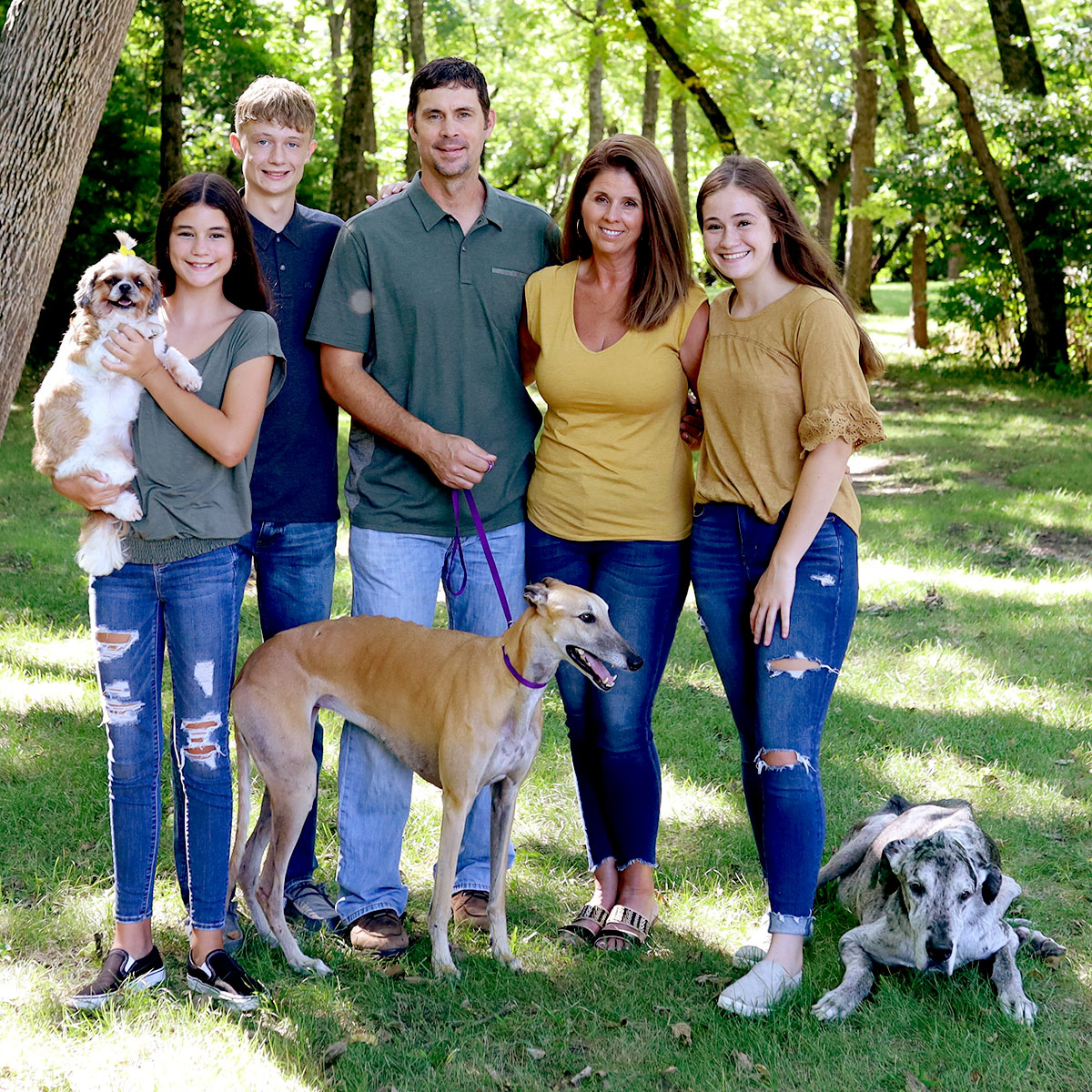
Dr. Eric Hess, Emporia, Kansas, is the recipient of the 2022 Alumni Recognition Award to be presented during an alumni reception being held in Kansas City, Missouri, on Aug. 27 in conjunction with the annual Fetch dvm360 Conference. The award is given to veterinarians in grateful recognition for time and effort devoted to advancing veterinary medicine and for being an exemplary role model for future alumni in a professional and community setting.
Dr. Hess is originally from Madison, Kansas. He attended Kansas State University where he earned a bachelor’s degree in animal science in 1998 and his Doctor of Veterinary Medicine degree in 2002. After graduating, he joined the East Emporia Veterinary Clinic, where he is part of a three-doctor mixed animal practice.
Join us for the K-State College of Veterinary Medicine Pregame Tailgate for the 2022 K-State Football Season!

Hosted at the College of Veterinary Medicine (1710 Denison)
We hope to see you at our K-State College of Veterinary Medicine Pregame Tailgate this weekend! We will be hosting a meal (taco bar – back by popular demand) at the home football game 2 hours before kickoff (Vet Town will start at 4:00 PM this weekend). Be sure to bring your friends and family for a great time with other alumni, faculty members, and students of the K-State College of Veterinary Medicine. Festivities will wrap up 30 minutes before kickoff to allow for travel time to the stadium. Come together and join the Vet Med family as we cheer on the cats!
Parking for K-State College of Veterinary Medicine Alumni is free at the College of Veterinary Medicine – we will offer a shuttle service to and from The College of Veterinary Medicine and the Southeast entrance to the parking lot that connects with Jardine’s parking lot.
Click Here to RSVP that you will be joining us this Saturday!
September 3, 2022
K-State vs. South Dakota
Vet Town 4:00 PM
Kick Off 6:00 PM
Submit nominations for Alumni Recognition Awards onlineSee our new online nomination form to nominate a fellow alumnus for one of our many annual recognition awards, presented at the national conferences: VMX, WVC, AVMA and the Annual Conference for Veterinarians. See full details at the link below. |
In Memoriam - Recently Departed Alumni
Dr. Robert F. Frank, DVM 1957 Dr. Hal Richard Sinclair, DVM 1958 Dr. Jay Arnold Anderson, DVM 1962 Dr. Fred Lee Beeman, DVM 1982 |
Questions about Alumni or CE events?Contact:
|
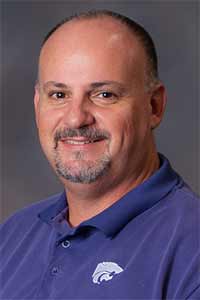 Tony Ballard
 Sarah Keatley
News Ticker
|
More activities and accomplishments in the College of Veterinary Medicine: |
Orientation kicks off first year for class of 2026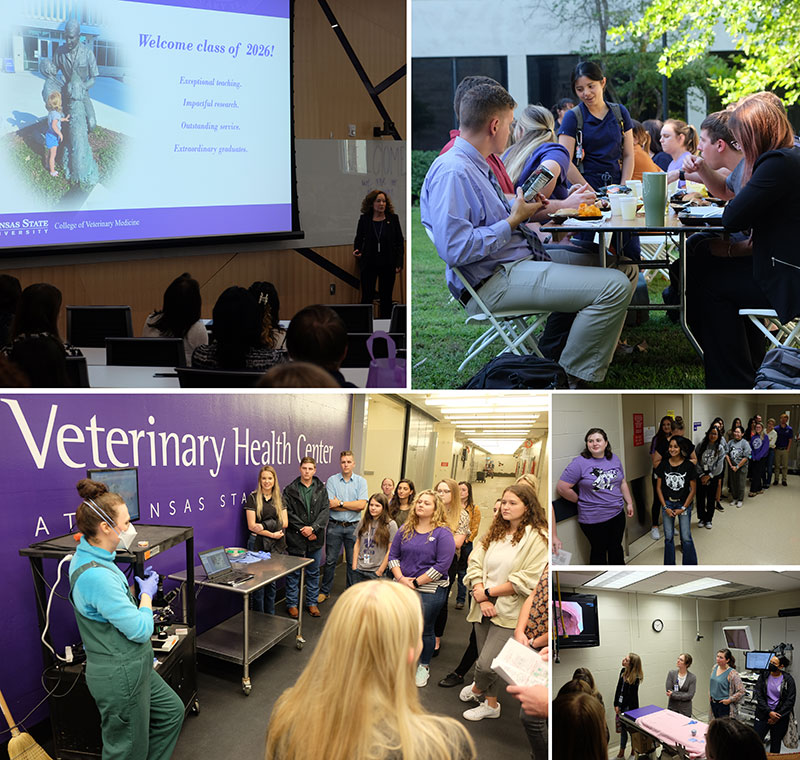 (Top Left) Hodes Family Dean welcomes the class of 2026 to the first day of orientation and the day concluded with a picnic on the lawn between Trotter and Coles Hall. On the bottom, first-year students tour the Veterinary Health Center. (Top Left) Hodes Family Dean welcomes the class of 2026 to the first day of orientation and the day concluded with a picnic on the lawn between Trotter and Coles Hall. On the bottom, first-year students tour the Veterinary Health Center. |
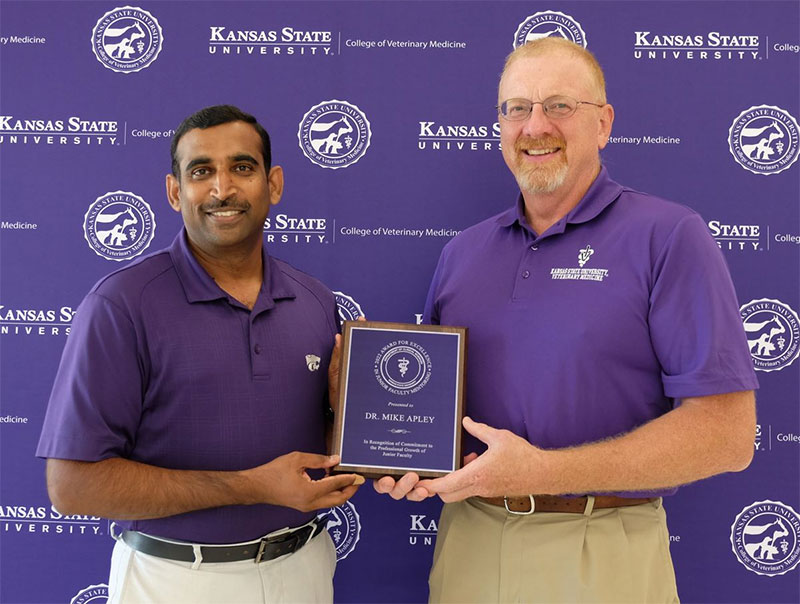
A fine mentor
|
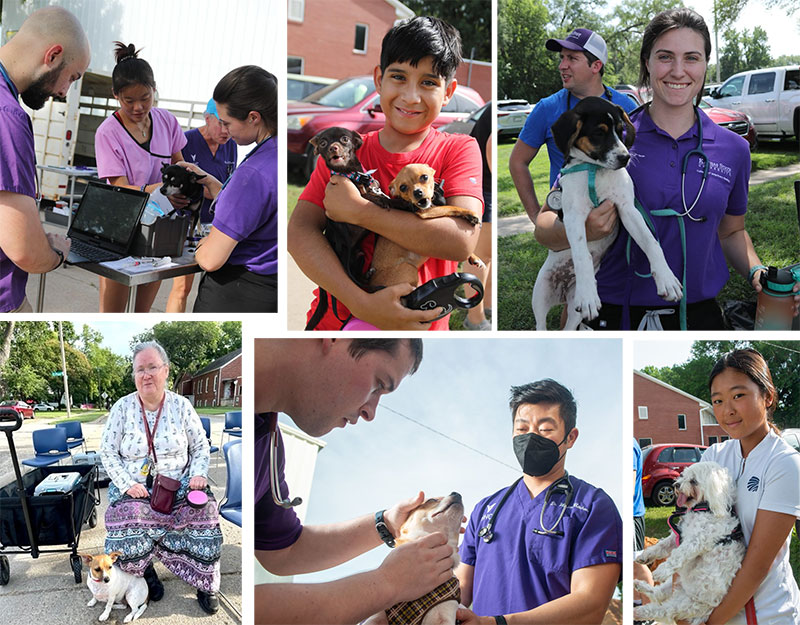
Everybody Counts in Manhattan |
POOL-ooza time for pets |
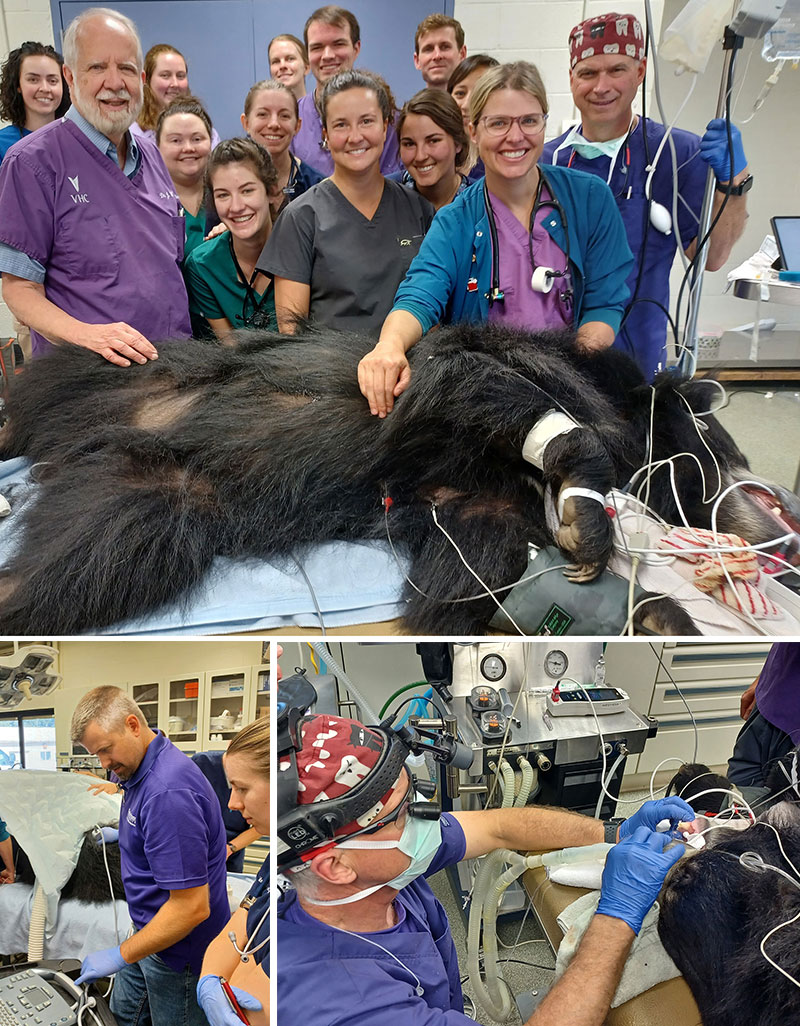
Sloth bear necessities - VHC team joins forces for root canal procedure |
|
Dr. Emily Reppert presented at the 7th Annual Your Veterinarians Conference in Deadwood, South Dakota on July 14-15. She presented, “Evaluation and Treatment of Lameness in Beef Cattle.” Drs. Mike Kleinhenz and Hans Coetzee presented the results of their research, “Cannabinoids in Cattle Feed: Current Knowledge and Next Steps,” which were the results of their research at the Kansas Industrial Hemp Stakeholder meeting held at the K-State Salina campus on July 19. Dr. James Carpenter and the exotic animal rotation provided veterinary inspections of rabbits and backyard poultry at the Riley County Fair July 21. Participants included students Kamryn Ritter-Shapero, Hannah Barber, Eliza Turnage, Bairon Madrigal, Katie Passilla and Allison Burnett, and were joined by intern Dr. Jasmine Sarvi. Dr. Chris Blevins and the Livestock Field Services rotation students served as the veterinarians at the Manhattan Kaw Valley Rodeo on July 21-23 and the Pottawatomie County Horse Show July 30 and the Rodeo August 4-6. Dr. Kate KuKanich, director of the Veterinary Research Scholars Program, led 20 students through a successful summer of mentored research projects. The students presented their research posters to the CVM on July 28 and then went to St. Paul, Minnesota, the week of Aug. 8 to present at the National Veterinary Scholars Symposium. Thank you to all the CVM faculty that mentored students this summer! Dr. Sara Gardhouse and collaborators had their research findings, “Clinicopathologic findings and urolith composition for green iguanas (Iguana iguana) with urolithiasis: 21 cases and 132 stones (1996–2020)” published in the July 2022 edition of the Journal of the American Veterinary Medical Association. Drs. Zackery D. Bieberly, Butch KuKanich, Kate S. KuKanich, Kara A. Berke, Emily E. Klocke, David A. Upchurch, Alyssa J Comroe, Maria C Jugan, Diane E. Mason, Ron J. Orchard, Joshuah B. Klutzke, Alyson H Fitzgerald, and Kallie Woodruff collaborated on an article, “Long-acting injectable methadone (methadone-fluconazole) provides safe and effective postoperative analgesia in a randomized clinical trial for dogs undergoing soft tissue surgery,” in the American Journal of Research. Drs. Phillip Lancaster, Bob Larson and Brad White were interviewed in an article, “K-State beef cattle experts offer tips for reducing ranch expenses,” for the June 29 edition of Beef magazine, which came about after a Beef Cattle Institute “Cattle Chat” podcast.
Updates from CORE - The Center for Outcomes Research and EpidemiologyDrs. Natalia Cernicchiaro and Andrea Dixon, both from the Center for Outcomes Research and Epidemiology (CORE), along with Chad Mire, Leela Noronha and Dana Mitzel, all from USDA-NBAF, received a new grant award from the Swine Health Information Center (SHIC) for their proposal titled “Reassessing the risk of Japanese Encephalitis introduction to and transmission in the United States.” Hannah Seger, Dr. Mike Sanderson and Dr. T.G. Nagaraja had a new article titled “Nonpathogenic Escherichia coli strains as a surrogate for Shiga toxin–producing E. coli: Fecal shedding dynamics and pen environmental contamination in weaned calves and feedlot steers” published in Applied Animal Science. 38(4):305-316. Their article was selected as "Editor’s Choice" for this issue! Dr. Natalia Cernicchiaro presented “Introduction and application of outcomes research in veterinary epidemiology” at the 16th International Symposium of Veterinary Epidemiology and Economics (ISVEE): Connecting Animals, People and Their Shared Environments Aug. 7-12 in Halifax, Canada. Dr. Dustin Pendell presented “Global burden of animal diseases (GBADs): Wider economic impacts of animal health” at the same symposium. The Center for Outcomes Research and Epidemiology was a sponsor for the 16th International Symposium of Veterinary Epidemiology and Economics (ISVEE). |
K-State Olathe features professional development in animal health topicsAnimal Health Regulatory Affairs 101 | Aug. 31 – Sept. 1 Deviations, Root Cause Investigations and CAPA | Sept. 15 Leadership Program for STEM Professionals | Begins Sept. 22 Take your management abilities to the next level with K-State Olathe's leadership program that provides the tools and skills you need to succeed. Strategically designed to build upon itself with each workshop, this series will help you achieve the results you and your company aspire to. Discover your own strengths and communications style, learn conflict resolution skills, understand how to connect with your team across differences, and develop future-focused strategies to achieve lasting results. Don't miss our early bird offer available now through Aug. 31. |
 Join the College of Veterinary Medicine on LinkedIn and add us to your profile under education and/or employment to help build and engage our online social community! Follow the LinkedIn page here: www.linkedin.com/company/kstatevetmed
New Arrivals/Recent Departures
Lifelines is published each month by the Marketing and Communications Office at the College of Veterinary Medicine. The editors are Joe Montgomery, jmontgom@vet.k-state.edu.