
Monthly Newsletter
April 2022 - Vol. 17, No. 4
<March 2022 | May-June 2022>
Top Stories
CVM presents research excellence award to Waithaka Mwangi

And the top faculty research award in the Kansas State University College of Veterinary Medicine goes to: Dr. Waithaka Mwangi. He was named the Zoetis Animal Health Award for Research Excellence at the Phi Zeta Research Day on March 1.
Dr. Mwangi's research program seeks to develop novel strategies for safely inducing immune protection against microbial pathogens in livestock. Major ongoing efforts are focused on the development of an African swine fever virus subunit vaccine and a broadly protective bovine viral diarrhea virus vaccine, adjuvants and diagnostic tools. “It means a lot to me to be selected as the recipient of the 2022 Zoetis Award for Veterinary Research Excellence,” Dr. Mwangi said. “It is inspiring to be honored for the research efforts and I am grateful to the colleagues, students and staff who have helped me to be successful.” “Dr. Mwangi is an exceptionally talented immunologist whose research encompasses some of the world’s most consequential animal and human pathogens,” said Frank Blecha, associate dean for research. “His work on African swine fever virus and SARS-CoV-2 is at the forefront of contemporary vaccine technology. Importantly, he is sharing his vast expertise with his students and mentoring the next generation of immunologists and virologists in his laboratory.” Dr. Mwangi earned a bachelor’s degree in biochemistry and parasitology from the University of Nairobi, Kenya, in 1990. He completed a doctorate and postdoctoral training in immunology at Washington State University in 2002 and 2004, respectively. Dr. Mwangi was recruited to the College of Veterinary Medicine and Biomedical Sciences at Texas A&M University in July 2005 as an assistant professor and graduate faculty. He was promoted to a tenured associate professor in 2014. In October 2016, he joined the faculty at Kansas State University as a tenured associate professor, graduate faculty member and director of the flow cytometry laboratory. He was promoted to professor in spring 2019. Dr. Mwangi has more than 25 years of experience working on vaccine design and antigen delivery platforms in large outbred animal species. His current research is focused on the development of SARS-CoV-2 subunit vaccines. He has had more than $21 million in research grants and has mentored more than 60 graduate students at Texas A&M and K-State. He is an inventor or co-inventor on 14 patents and has published more than 50 journal articles and two book chapters.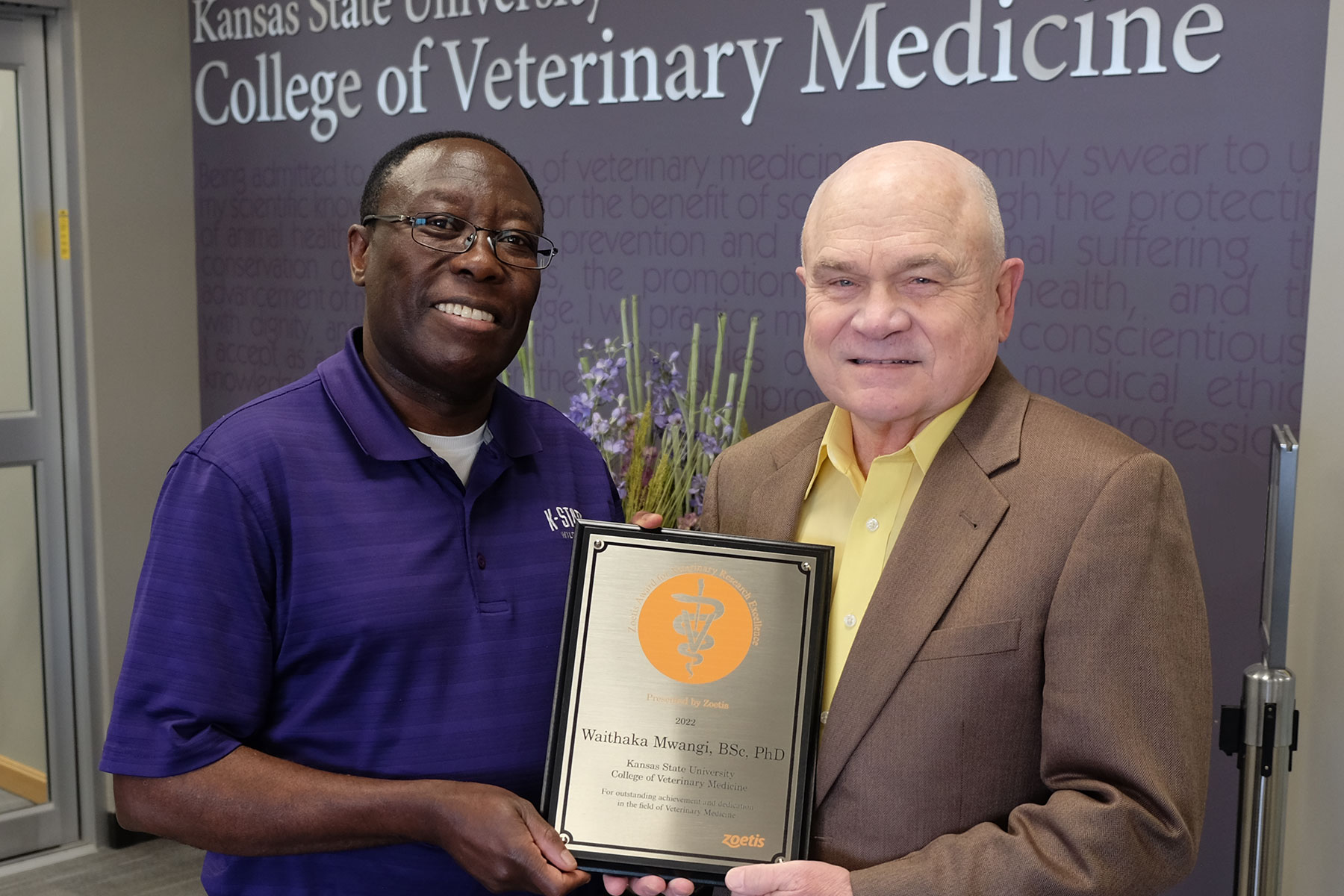
Dr. Waithaka Mwangi accepts the Zoete Research Excellence Award from Dr. Frank Blecha.
K-State research suggests probiotics may pose risks to animal, human health
By Piper Brandt
New research at Kansas State University reveals how probiotics may not be as beneficial for animal and human health as thought. Probiotics, in most uses, are organisms considered to be beneficial for gut health in animals and humans.
Dr. Raghavendra Amachawadi, assistant professor of food animal therapeutics in the K-State College of Veterinary Medicine, and his team have discovered that a species of bacteria, Enterococcus faecium, which is contained in several commercial products for swine and cattle, can be a source of antibiotic resistance. Their study, "Whole genome sequence analyses-based assessment of virulence potential and antimicrobial susceptibilities and resistance of Enterococcus faecium strains isolated from commercial swine and cattle probiotic products," was published recently in the Journal of Animal Science. "Although probiotics are beneficial bacteria, some bacterial species can have unintended negative consequences," Dr. Amachawadi said. "Our research has shown that Enterococcus faecium carries genes that confer resistance to antibiotics widely used in human medicine. Feeding such products to animals raises the possibility that the genes can be transferred to pathogenic bacteria and make them resistant to antibiotics, which can be passed on to humans." At this stage, Dr. Amachawadi said, this is only a theoretical possibility and there is no evidence of such transfer actually taking place in the gut and subsequent human exposure. The objective of the study was to utilize whole genome sequence-based analysis to assess virulence potential, detect antimicrobial resistance genes, and analyze phylogenetic relationships of E. faecium strains from commercial swine and cattle probiotics. "Because use of antibiotics creates resistance in bacteria, which is a huge public health concern, producers are seeking replacements for antibiotics," Dr. Amachawadi said. "Most commercial probiotic products contain live bacteria that benefit the animal by improving the gut bacterial balance." The findings from this study suggest that, in the future, probiotic products may need to undergo a test for antimicrobial resistance genes before they are marketed for use in food animals. The study, funded in part by a grant from the National Pork Board, included researchers from the animal sciences and industry and diagnostic medicine and pathobiology departments at K-State, as well as the Center for Food Safety and Applied Nutrition division of the U.S. Food and Drug Administration at Laurel, Maryland.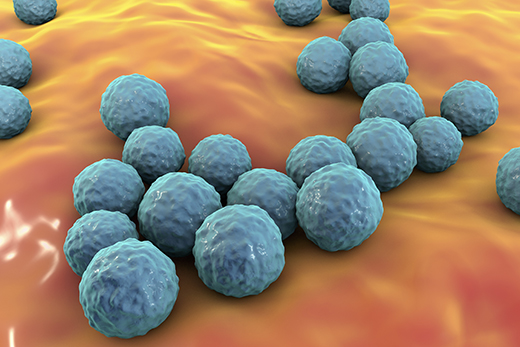
A Kansas State University team finds that a species of bacteria, Enterococcus faecium, can be a source of antibiotic resistance. Enterococcus faecium, pictured above, is contained in several commercial probiotic products for swine and cattle.
Veterinary students receive scholarships from Zoetis and American Association of Veterinary Medical Colleges
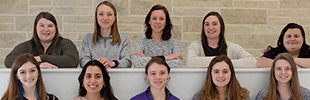 Ten students in the College of Veterinary Medicine have been chosen to receive the 2022 Zoetis Foundation/AAVMC Veterinary Student Scholarship.
Ten veterinary students at Kansas State University are receiving the 2022 Zoetis Foundation/AAVMC Veterinary Student Scholarship. Back row from left: Courtney Borden, Anne Brien, Ariel Carruth, Katie Stenger and Kamryn Ritter-Shapero. Front row: Meagan O'Brien, Cristina Marquez, Bailey Fritz, Grace Calo, and Melissa Hill. The scholarship program is sponsored by Zoetis, a global animal health company, in partnership with the Association of American Veterinary Medical Colleges. Now in its 12th year, the program awarded scholarships in the amount of $2,000 to 313 second- and third-year veterinary students representing 35 colleges of veterinary medicine. The program has awarded more than $8 million over the past twelve years, helping to offset education expenses for nearly 4,000 veterinary students. More than 1,700 applicants from universities throughout the U.S. and Caribbean were evaluated for academic excellence, financial need, diversity, sustainability, leadership, and career interest. Scholarships are awarded to students in all areas of professional interest, including food animal medicine, small animal clinical medicine, research, government services, public health and organized veterinary medicine. The following Kansas State University veterinary students are receiving the scholarship: Bailey Fritz, second-year veterinary student, Westmoreland. From out of state: Meagan O'Brien, third-year veterinary student, Denver, Colorado; Melissa Hill, second-year veterinary student, Manchester, Connecticut; Kamryn Ritter-Shapero, third-year veterinary student, Clearwater, Florida; Katie Stenger, second-year veterinary student, Williamsfield, Illinois; Courtney Borden, second-year veterinary student, New Bedford, Massachusetts; Grace Calo, second-year veterinary student, Floral Park, New York; Ariel Carruth, third-year veterinary student, Asheville, North Carolina; and Anne Brien, second-year veterinary student, Rolla, North Dakota. From U.S. territories: Cristina Marquez, second-year veterinary student, San Juan, Puerto Rico.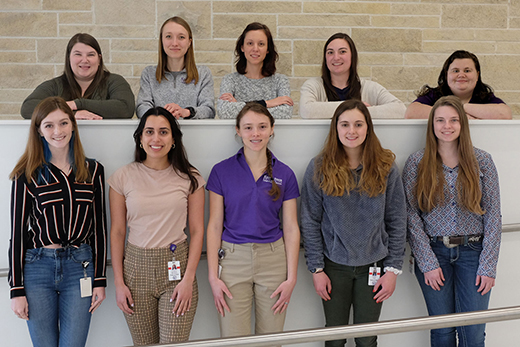
More Headlines
Veterinary student publishes report on successful radiation treatment for cockatoo

A Kansas State University veterinary student has written and published a case report in a prestigious journal about successful radiation treatment received by a Major Mitchell's cockatoo at the K-State Veterinary Health Center.
Fourth-year Kansas State University veterinary medicine student Daria Hinkle has published a case study in the Journal of the American Veterinary Medical Association on radiation treatment received by a cockatoo. "Successful radiation treatment of undertail fibrosarcoma in a Major Mitchell's cockatoo (Lophochroa leadbeateri)" was written by Daria Hinkle, fourth-year veterinary student, Wichita, and published in the Journal of the American Veterinary Medical Association. The bird was brought to the Veterinary Health Center because of a mass found on its tail. Despite the presence of the mass, the cockatoo was bright, alert and responsive and appeared otherwise healthy. A biopsy was performed by exotic pets and zoological medicine veterinarians Drs. David Eshar and Neta Ambar, who was completing an internship in exotic animal medicine at the time. The cockatoo was sent home with medication and to wait for the diagnostic results, which ultimately were inconclusive as to whether the growth was cancerous. "Once a second biopsy confirmed it to be a malignant type of tumor, we met with Dr. Chieko Azuma from the Oncology Service at the Veterinary Health Center," Daria said. "It was recommended that we provide the cockatoo with a course of definitive radiation therapy with the goal of achieving long-term control." This was a major challenge in this case: The cockatoo stayed at the Veterinary Health Center for four weeks to receive daily radiation treatments under brief, general anesthesia. "He did great over the course of the hospitalization and almost became the service's mascot," said Dr. Eshar, associate professor of clinical sciences. "Our literature review informed us of previous radiation treatments with other parrot cases that were different than the one we used. We were hopeful that the cockatoo could be treated without excessive adverse effects." The cockatoo received 20 total radiation treatments, following a protocol similar in scope to radiation treatments for dogs. No chemotherapeutic agents were used. A year and a half after the treatments concluded, the skin in the radiation field appears completely healed with no signs of reoccurrence. "This is the second time I've been able to write up a case report about the treatment of an avian patient with the help of Dr. Eshar. This publication provides a strong foundation for me as I get closer to pursuing a career in exotic medicine," said Daria, who will graduate with her DVM in May. Hinkle then plans to begin a small animal rotating internship at North Carolina State University and, in the future, pursue residency opportunities in zoo medicine. Other authors contributing to the report include Drs. Eshar, Ambar, Azuma and Sarah Schneider, a former anatomic pathologist at K-State.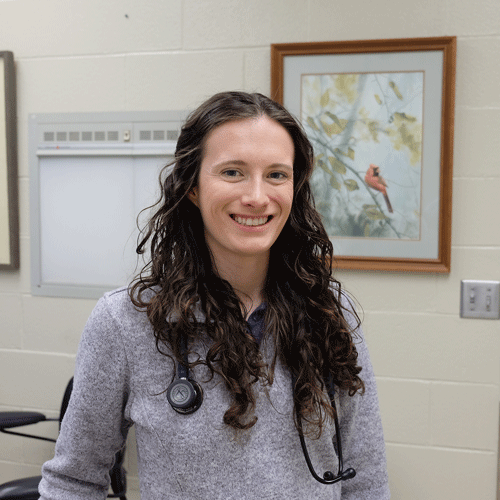
Veterinary research finds destressing benefit from feeding cattle industrial hemp
A new study by Kansas State University finds that feeding cattle industrial hemp may have a beneficial effect on their welfare: a reduction in stress and increasing the times when they lie down.
"Cattle experience a variety of stress and inflammation," said Dr. Michael Kleinhenz, assistant professor of beef production medicine at the K-State College of Veterinary Medicine. "Our most recent data shows how cannabinoids via industrial hemp decreased the stress hormone cortisol as well as the inflammatory biomarker prostaglandin E2. This shows that hemp containing cannabidiolic acid, or CBDA, may decrease stress and inflammation in cattle. Thus, hemp may be a natural way to decrease stress and inflammation related to production practices such as transportation and weaning." Dr. Kleinhenz has published the results of his study, "Short term feeding of industrial hemp with a high cannabidiolic acid (CBDA) content increases lying behavior and reduces biomarkers of stress and inflammation in Holstein steers," in Scientific Reports. "Our new research helps us better understand how cannabinoids present in industrial hemp interact with bovine physiology and pharmacology," Dr. Kleinhenz said. "For instance, we now know that repeated daily doses of CBDA via feeding hemp does not result in accumulation of cannabinoids in the blood. Additionally, it solidified previous research and shows that each cannabinoid has its own absorption and elimination profile." Another benefit observed when feeding cattle industrial hemp is that they lie down more, which can help them ruminate and produce saliva. Dr. Kleinhenz, who is in the college's clinical sciences department, worked with a multidisciplinary team. Researchers on the project included graduate students Mikaela Weeder, Shawnee Montgomery, Miriam Martin and Andrew Curtis; and anatomy and physiology department faculty members Drs. Geraldine Magnin, Hans Coetzee, Jason Griffin and Zhoumeng Lin; K-State Research and Extension's John C. Pair Horticulture Center in Haysville; and the environmental and global health department at the University of Florida. Each brought expertise in pharmacology, toxicology and plant biology. "If hemp is to be utilized as an ingredient in the ration of cattle, it is prudent to know and understand the pharmacokinetics and potential biological effects of cattle exposed to repeated doses of cannabinoids present in industrial hemp," Dr. Kleinhenz said. "The initial data we have collected is essential should industrial hemp and its by-products are to be considered by the U.S. Food and Drug Administration and the Association of American Feed Control Officials. Further work is needed to determine if cannabinoids can alter the stress response in cattle during stressful times such as transportation and weaning, but we hope this research is a step forward in the right direction." Funding for this work was provided by a grant from the Agriculture and Food Research Initiative of the U.S. Department of Agriculture's National Institute of Food and Agriculture.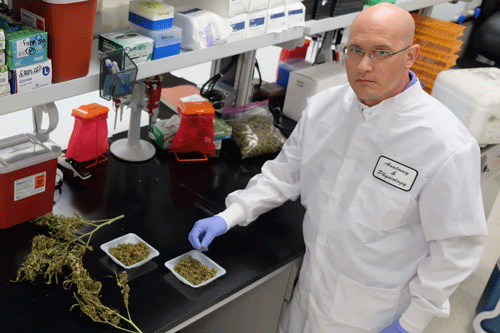
Dr. Michael Kleinhenz, assistant professor of beef production medicine at the K-State College of Veterinary Medicine, has published a new study that finds benefits to feeding industrial hemp to cattle
Second-year veterinary student receives USDA-Boehringer Ingelheim summer research opportunity

Kansas State University's Michaela Long, currently in her second year of veterinary studies, is among 12 students from 10 universities across the nation selected to spend the summer researching diseases that could affect livestock and public health.
Michaela Long, a second-year veterinary student at Kansas State University will spend her summer researching infectious diseases through a select program offered by Boehringer Ingelheim and the U.S. Department of Agriculture's Agricultural Research Service. Kansas State University's Michaela Long, Turlock, California, currently in her second year of veterinary studies, is among 12 students from 10 universities across the nation selected to spend the summer researching diseases that could affect livestock and public health. The research opportunity is being made possible by Boehringer Ingelheim and the U.S. Department of Agriculture's Agricultural Research Service, or ARS. Long will work with ARS scientists on livestock infectious disease research at one of nine USDA sites. Boehringer Ingelheim and the USDA will cover all costs for the students, including a monthly stipend and expenses associated with traveling to and from their schools to the USDA centers. "As an aspiring poultry pathologist, I am excited to take part in the research project in the program," Long said. "I look forward to the positive implications this study has for poultry and the opportunity to learn more about how to implement research studies." Each of the ARS scholars is invited to travel to the Veterinary Scholars Symposium in Minneapolis from Aug. 4-7, where they will present their research and network with other scholars and scientists. The K-State College of Veterinary Medicine also sends a group of students to this symposium each year through its summer Veterinary Research Scholars Program. "ARS employs world-renowned veterinarian scientists with a broad range of expertise in infectious diseases of animal and public health concern," said Roxann Motroni, D.V.M., Ph.D., and USDA Agricultural Research Service national program leader for animal health. "This allows us to be responsive to emerging One Health disease threats by quickly implementing research needed to inform emergency response. Through this partnership with Boehringer Ingelheim's Veterinary Scholars Program, veterinary students across the country will have the opportunity to train with these leading veterinarian scientists."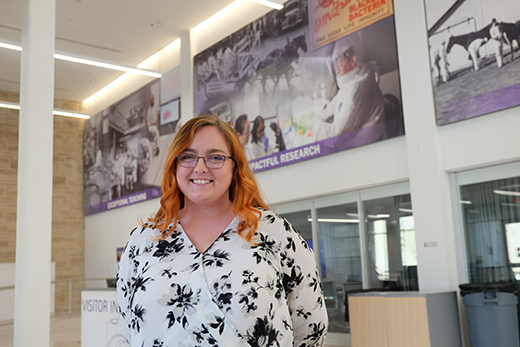
College of Veterinary Medicine presents Dr. Walter C. Bowie Scholarship to Bairon Madrigal

Bairon Madrigal, a third-year Kansas State University veterinary student from the Miami-Fort Lauderdale area, is the recipient of a K-State College of Veterinary Medicine scholarship that honors the legacy of a renowned alumnus from the college and promotes diversity among future veterinarians.
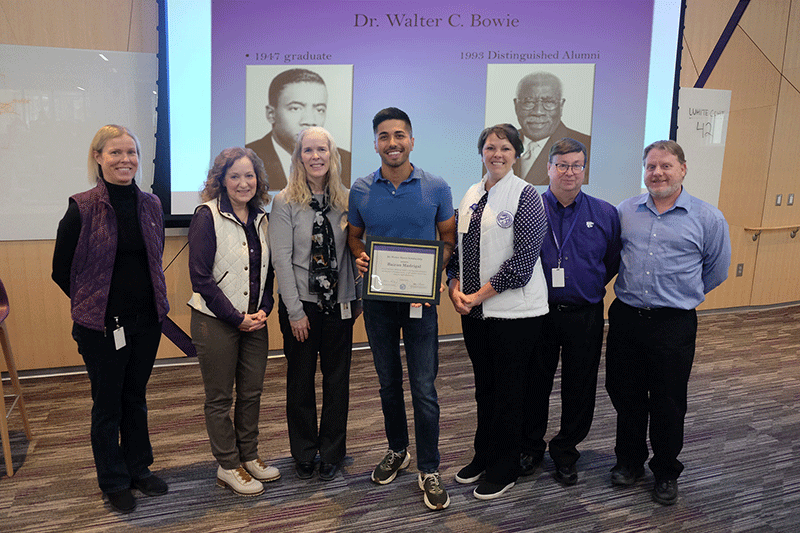
Professors and leadership in the College of Veterinary medicine congratulate third-year student Bairon Madrigal on being selected as the recipient of the 2022 Dr. Walter C. Bowie Scholarship. From left are Drs. Elizabeth Davis, professor and head of clinical sciences, Bonnie Rush, Hodes family dean of the college; Kate KuKanich, professor of small internal animal medicine; Madrigal; Callie Rost, associate dean for admission; James Roush, associate dean for academic programs and student success; and Butch KuKanich, professor of anatomy and physiology.
The Dr. Walter C. Bowie Scholarship was created to demonstrate the college's commitment to bringing diverse people together and/or to serving disadvantaged populations.
"Extraordinary students like Bairon help future generations envision themselves in this amazing profession," said Dr. Bonnie Rush, Hodes family dean of the College of Veterinary Medicine. "Bairon is generous with his time to mentor and support classmates, underclassman and aspiring veterinary students. We know Bairon will do exciting things in his career, and the Walter C. Bowie scholarship is a wonderful way to recognize his efforts and support his future."
"Dr. Walter Bowie and his career are the embodiment of the profound impact that each of us can make as veterinarians," Madrigal said. "Our commitment to making veterinary medicine diverse and inclusive is key to improving access to quality care for our animals and quality service to our community. This is why being chosen as the recipient for the Dr. Walter Bowie Scholarship has been one of the greatest honors of my life. I am inspired every day to be the best version of myself through the mentorship I receive from faculty and the support from my colleagues here at K-State."
Dr. Callie Rost, the college's associate dean for admissions, said Madigral's commitment to diversity is seen in the co-founding of the Latinx Veterinary Medical Association at the K-State College of Veterinary Medicine.
"Representation of Latinx individuals in the veterinary profession is low and Bairon saw the need to form an organization that offered these students community support," Dr. Rost said.
Dr. Rost also cited Madrigal's efforts to empower others and to support and educate all in the college's veterinary community.
"Bairon stands out as a leader of his peers," Dr. Rost said. "This year, he joined the college's 'This is How We ROLE' team and carried out activities with students from the Boys and Girls Club of Manhattan."
This is How We ROLE introduces the many aspects of veterinary medicine to young students and encourages them to consider veterinary medicine as a career path in the future. Dr. Kate KuKanich, professor of small animal internal medicine, coordinates This is How We ROLE at K-State.
"Bairon has brought great energy and innovative ideas as a Latinx mentor and role model in our This is How We ROLE program, inspiring elementary students at the Boys and Girls Club in Manhattan to explore veterinary and STEM careers," Dr. KuKanich said. "The kids adore him as he makes science fun, and his success and enthusiasm exemplify how they too can have bright and exciting futures as veterinarians or scientists."
Bowie earned his Doctor of Veterinary Medicine at K-State in 1947. He earned a Master of Science and Doctor of Philosophy in mammalian physiology from Cornell University in 1955 and 1960, respectively. He performed a postdoctoral study at Michigan State University and was a scholar-in-residence at Howard University.
In March 1947, Bowie joined the faculty at Tuskegee University and served as a teacher, research scientist, head of the physiology department and associate dean. In 1990, he was appointed as dean at Tuskegee's School of Veterinary Medicine and served in that position for 18 years. He died in October 2009.
To support future scholarship recipients, gifts can be made to the Dr. Walter C. Bowie Scholarship online at giving.ksufoundation.org/campaigns/18031/donations/new.
Regular features
Alumni Events, Development and Continuing Education
 The Veterinary Medical Alumni Association organizes alumni receptions at several of the national annual conferences plus continuing education events and more. This month's section includes the monthly listings of recently departed alumni and links to their obituaries, plus a new link for submitting nominations for Alumni Recognition Awards.
Alumni Updates
Dr. Tolani Francisco returns to K-State as 2022 Alumni Fellow
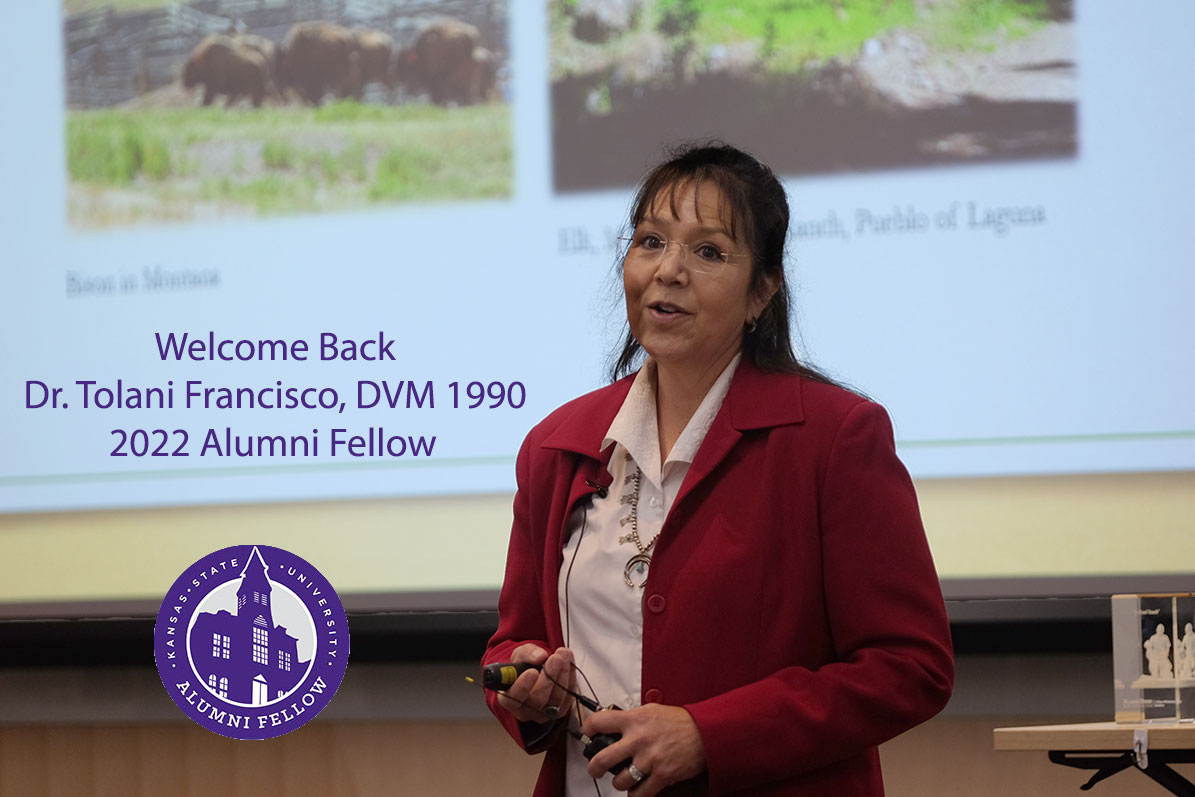
Pandemics delayed the K-State Alumni Association's annual Alumni Fellow program for more than two years. Hodes Family Dean Bonnie Rush quipped that this made Dr. Tolani Francisco, DVM class of 1990, the CVM's longest-running Alumni Fellow. Dr. Francisco presented a seminar April 20 and talked about her career in veterinary medicine and public health, including jobs with the Air Force, the USDA and on the Laguna reservation where she grew up in New Mexico. See more information about Dr. Francisco at the Alumni Assocation Alumni Fellows website.
Dr. Tera Barnhardt, DVM 2014, named Dairy Quality Center Veterinarian of the Year
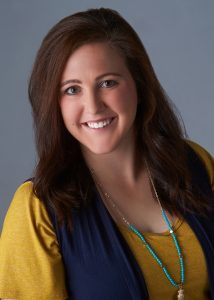 Dr. Tera Barnhardt not only went to Kansas State University for her undergraduate degree in animal science, but she earned an M.S. and a DVM at the same time while working for Dr. Dan Thomson at the Beef Cattle Institute. She conducted her master’s research project about BQA (beef quality assurance) at Kansas feed yards while she was in graduate school.
"It was an amazing experience that got me hooked," Dr. Barnhardt said.
The Dairy Quality Veterinarian of the Year is sponsored by Diamond V and is awarded by the Dairy Quality Center (DQC) to a veterinarian who has been in the Verified Premium Plus program (VPP) for a minimum of two years, and has the most dairies in the 90%-plus list on the walk-through audit – making them Sustainable Dairy Award winners.
Upcoming CE Opportunities and Reunion Events
ReunionsSaturday, June 4, 2022 2022 Annual Conference for VeterinariansSunday, June 5 - Tuesday, June 7, 2022 27th Annual Scholarship Golf TournamentMonday, June 6, 2022 |
|
Submit nominations for Alumni Recognition Awards onlineSee our new online nomination form to nominate a fellow alumnus for one of our many annual recognition awards, presented at the national conferences: VMX, WVC, AVMA and the Annual Conference for Veterinarians. See full details at the link below. |
|
In Memoriam - Recently Departed Alumni
Dr. Thomas Alvin Edwards, DVM 1995 (click highlighted names for obituary) |
Questions about Alumni or CE events?Contact:
|
 Tony Ballard
 Sarah Keatley
News Ticker
|
More activities and accomplishments in the College of Veterinary Medicine: |
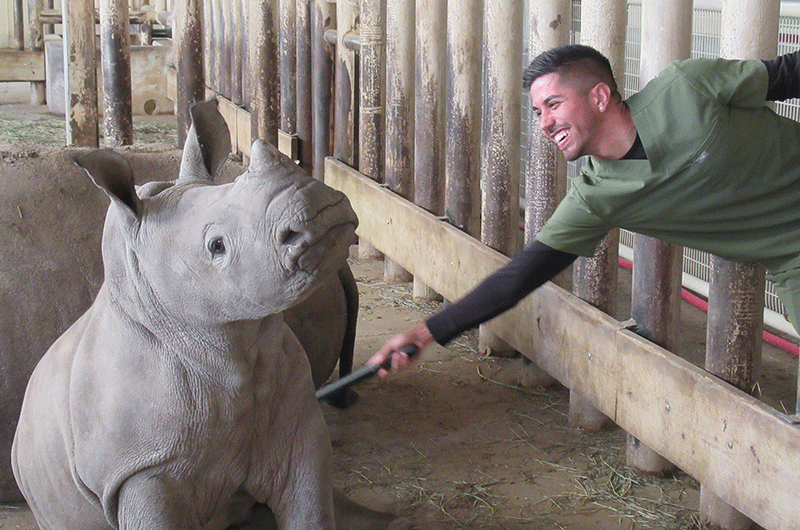
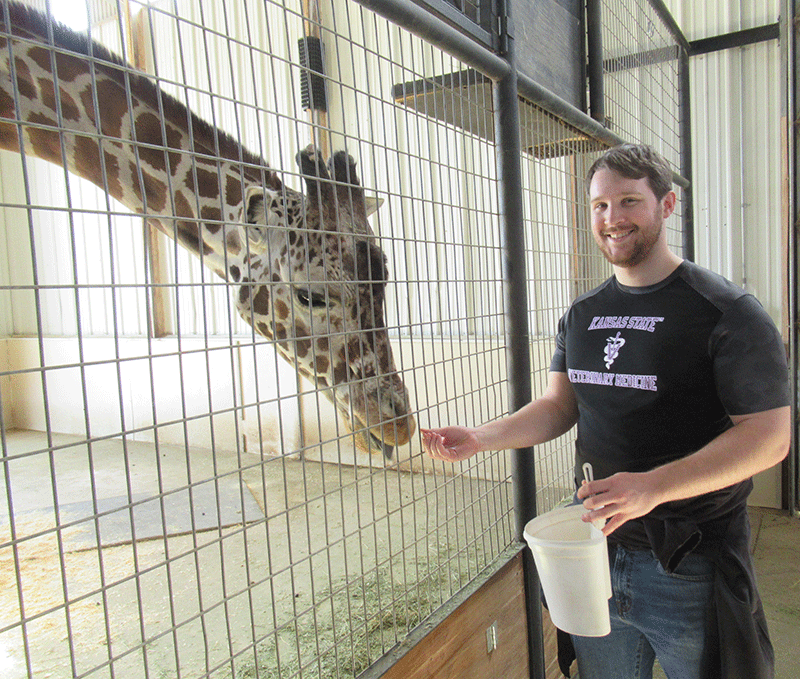
Zoo crew goes on the roadDr. James Carpenter and 12 students in the Advanced Zoological and Wildlife Medicine course visited Salina’s Rolling Hills Zoo on March 26. The group was hosted by the zoo's official veterinarian Dr. Danelle Okeson (’06 grad) who also provided a tour of the zoo and the wildlife museum. 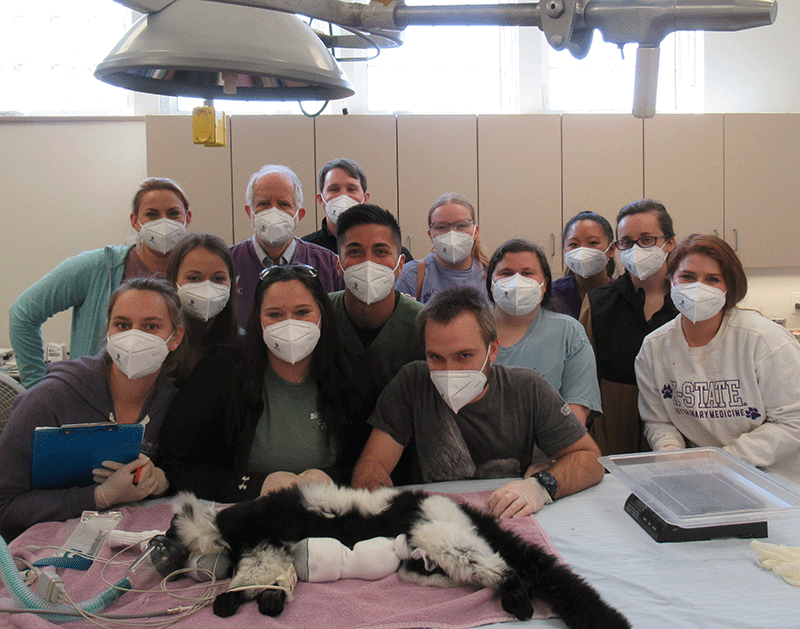
The students participated in a wet lab where an endangered black and white lemur (Madagascar) was given its annual health exam.
|
Faculty promotions for 2022
Dr. Coetzee is internationally recognized for developing objective measures of pain during routine husbandry procedures in food-producing animals, including beef and dairy cattle, sheep and swine. Coetzee also researches bovine anaplasmosis and developed a single-dose implant vaccine that provides long-term immunity against anaplasmosis infections. Dr. Ganta is an international authority on tick-borne rickettsial diseases, contributing significantly to the knowledge of the biology, pathogenesis, immunology, diagnostics and vaccine studies of rickettsial pathogens from the Ehrlichia species, Anaplasma species and Rickettsia species, particularly E. chaffeensis, E. canis, E. ruminantium, A. marginale, A. phagocytophilum and R. rickettsia, which are spread by the bite of infected ticks.
|
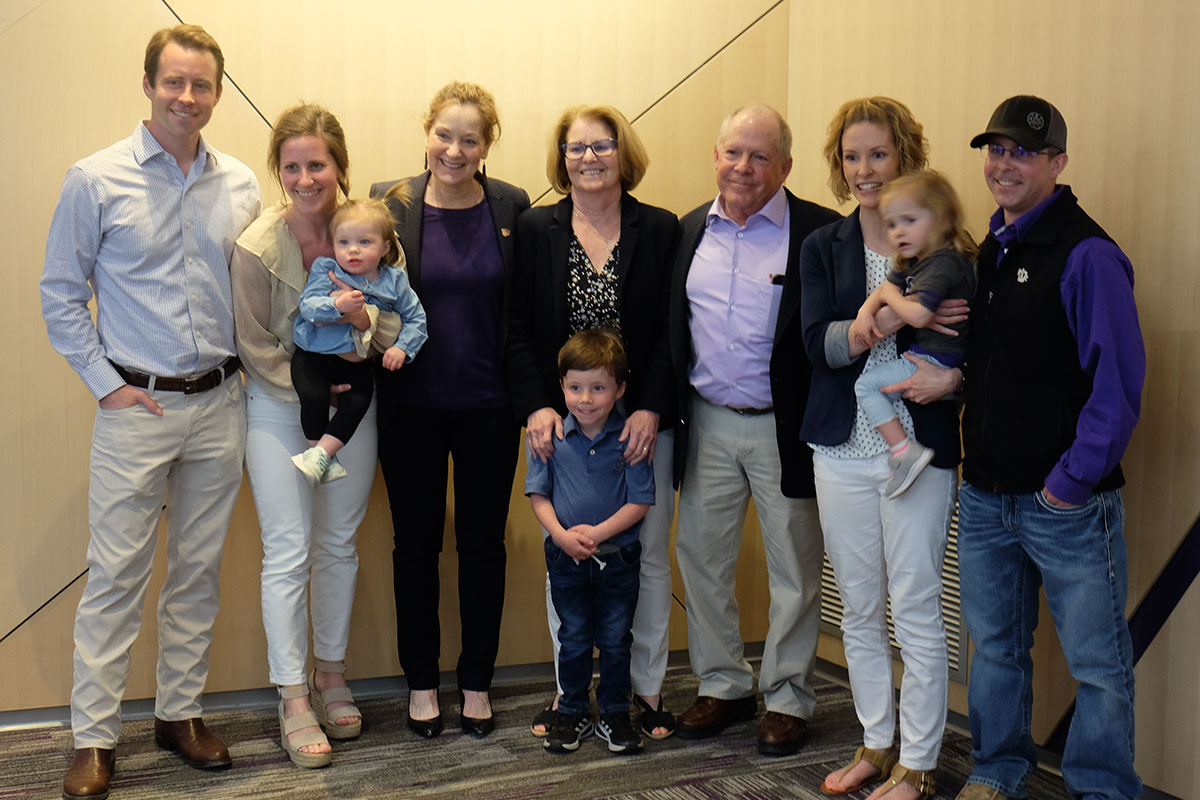
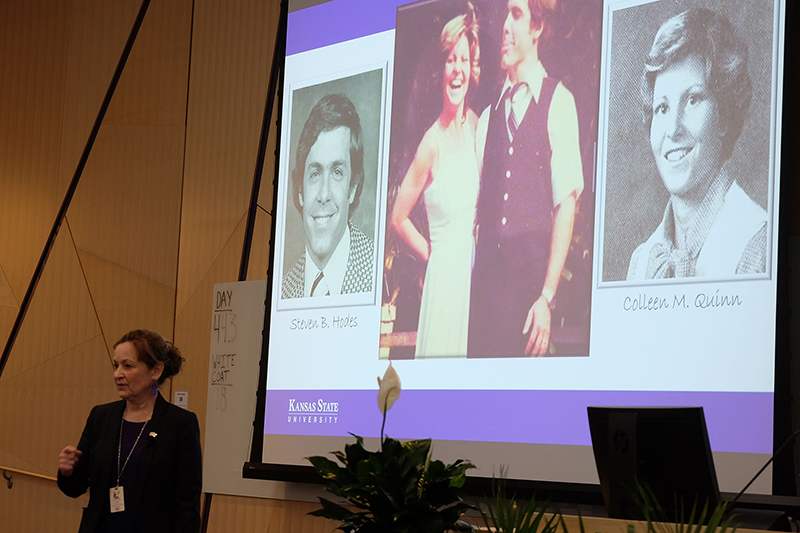
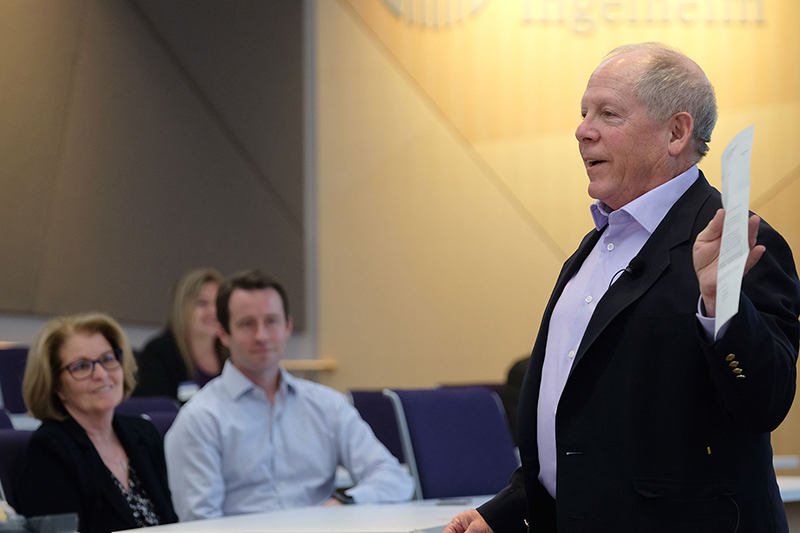
All in the CVM family!The CVM hosted a dedication event in honor of Dr. Steve and Colleen Hodes who have given a gift to name the deanship in Kansas State University’s College of Veterinary Medicine. Steve graduated received his DVM in 1979 and Colleen earned her physical education degree from K-State in 1978.
|
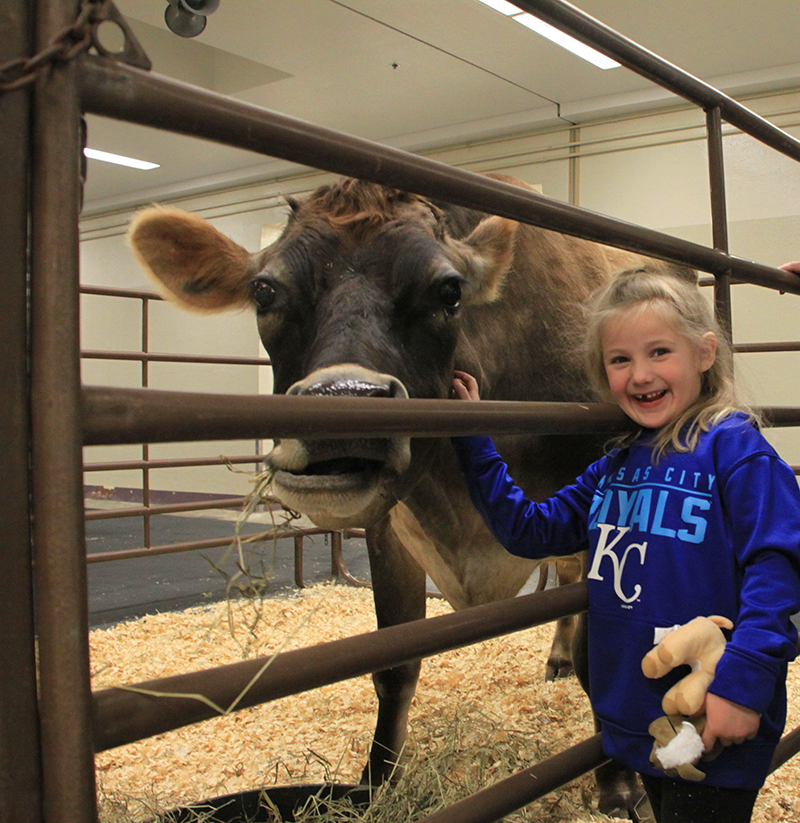
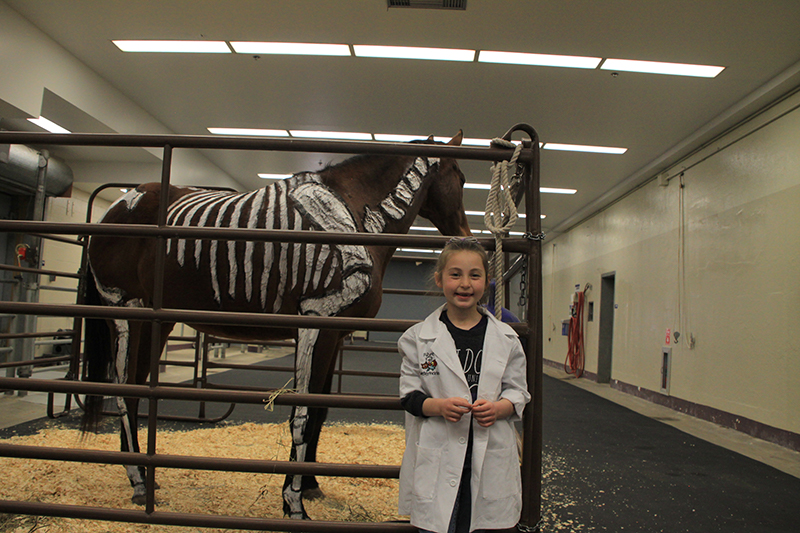
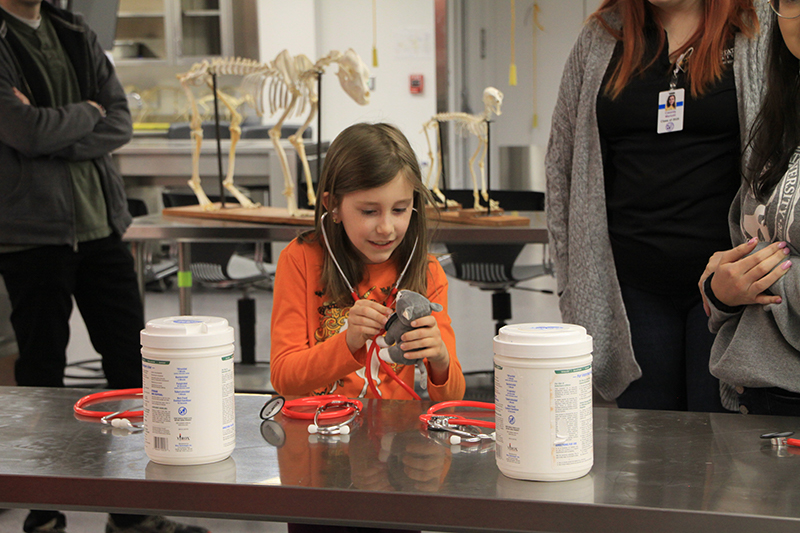
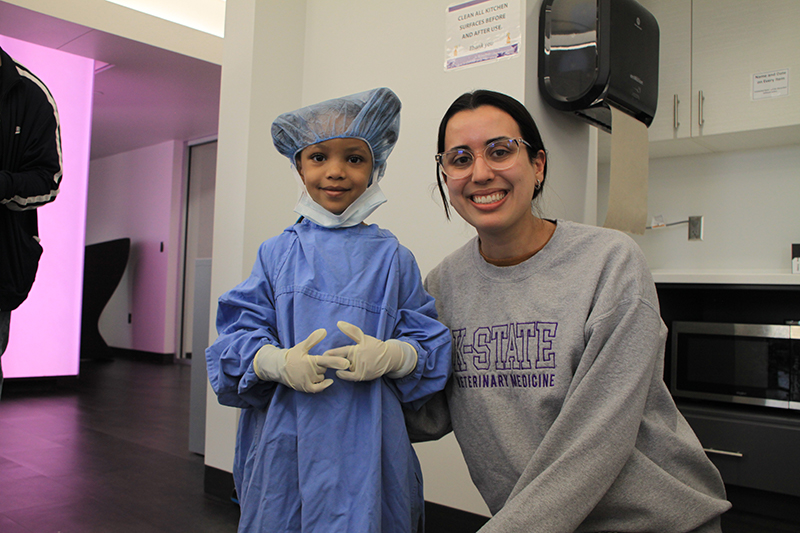
Open House brings in the youngstersThe CVM hosted guests during K-State's Open House on April 9, including several future veterinarians! (Photos courtesy of second-year student Elizabeth Brann, a representative of the CVM's Open House committee).
|
More News and ActivitiesCongratulations to the newest American College of Veterinary Surgeon Diplomates! Congratulations to Clinical Sciences' newest inductees into Phi Zeta Sigma, Drs. Sara Gardhouse, Leslie Weaver and Sarah Kaufman! Congratulations to Drs. Raghavendra Amachawadi, Nicky Cassel, Beth Davis, Ronnie Elmore, David Eshar and Kate KuKanich for receiving JEDI awards. These awards are presented to those that stand up for Justice of others, provide opportunities for Equity, support and celebrate Diversity, and promote Inclusion for all. The Livestock Services crew represented the Veterinary Health Center at K-State Cattlemen’s Day on March 4. Dr. Elizabeth Santschi presented, “Equine Practice – What Do I Do About That?” at the Western Veterinary Conference in Las Vegas, Nevada, on March 8. Dr. Sue Nelson was interviewed for the March 10 edition of K-State Today in an article, “K-State veterinarian says make arrangements for pets in family emergency plans.” Dr. Vien O presented, “Introduction to Veterinary Emergency Medicine,” at the American Pre-Veterinary Medical Association Symposium on March 11-12. Dr. Raghavendra Amachawadi presented, “Evaluation of a direct-fed microbial product (DIRECTä) on fecal shedding of Shiga toxin-producing Escherichia coli in finishing cattle in a commercial feedlot,” at the Midwest American Society of Animal Science meeting, March 14-16. Dr. Chris Blevins, along with VHC staff and fourth-year students, represented the College of Veterinary Medicine at the 25th Anniversary of Equifest of Kansas in Salina, March 17-20. The event is Kansas’ premier all-breed horse fair and expo. Drs. Jessica Meekins and Sara Gardhouse were the veterinarians for a Sunset Zoo Colobus monkey that received a successful cataracts surgery. WIBW-TV published a story March 18 explaining the 27-year-old monkey was blind and her quality of life was suffering. A few weeks following the surgery, she is back to climbing trees! Dr. Laurie Beard was invited to speak at the Racing Medication and Testing Consortium on March 22 where she presented, “Strep equi/Strep zoo: Diagnosis and Containment in a Racing Environment.” Dr. Justin Thomason presented, “Wildcat Cardiology,” at the K-State Olathe Careers and Cases in Veterinary Medicine lecture series March 23. The 39th Annual Frank W Jordan Seminar was held March 26, and this year’s topic focused on Oncology. Thank you to the Clinical Sciences faculty who presented sessions:
Dr. Sara Gardhouse presented an informational lunch meeting, hosted by the Avian Medicine Club, on Highly Pathogenic Avian Influenza (HPAI), the current outbreak, and the impact to backyard flocks, zoos and wildlife on March 28. |
VetMed Rocks Summer Day Camps 2022
Registration is Open - July 31 - August 3 Vet Med ROCKS camp will consist of daylong activities at Kansas State University College of Veterinary Medicine!
In-person camps will be held at the Kansas State University College of Veterinary Medicine in Manhattan, Kansas. |
 Congratulations to Drs. Hans Coetzee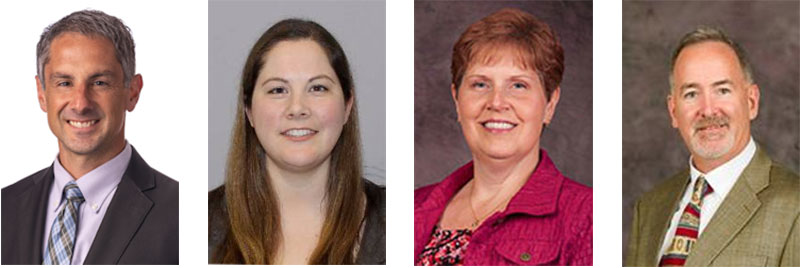
 \
\
New Arrivals/Recent Departures
Lifelines is published each month by the Marketing and Communications Office at the College of Veterinary Medicine. The editors are Joe Montgomery, jmontgom@vet.k-state.edu, and Piper Brandt,pnbrandt@vet.k-state.edu.