
Monthly Newsletter
March 2021 - Vol. 16, No. 3
<February 2021 | April 2021>
Top Stories
Students present research at a safe distance during Phi Zeta Research Day

Phi Zeta Research Day represents an opportunity for the College of Veterinary Medicine community to come together and share the latest research in all fields of basic, applied and clinical sciences. Celebrated March 2, this year's event was offered in a hybrid format, combining in-person attendance with a virtual component. Several attendees, including students and faculty from Manhattan and Olathe campuses, were able to join the sessions remotely.
The event is organized by the Sigma Chapter of the Society of Phi Zeta, a professional honors society whose name is based on the Latin word philozoi, which means "love for animals." The chapter's mission is to recognize and promote excellence in academic scholarship and research that improves the health and welfare of animals. Phi Zeta Research Day began with a keynote address by Dr. Molly McCue, associate dean for research, and professor of equine internal medicine at the College of Veterinary Medicine, University of Minnesota. Dr. McCue is recognized as a global leader in equine genomics and computational biology. Her keynote address was entitled "A journey in comparative genomics inspired by clinical questions and life's challenges." “Dr. McCue’s keynote speech explored her two-decade long journey utilizing state-of-the-art molecular genetics and genomic tools to study complex genetic diseases in horses”, said Dr. Natalia Cernicchiaro, assistant professor of veterinary epidemiology and president of Phi Zeta. “Dr. McCue’s presentation was a testament of how tenacity, purpose, and life’s challenges, can drive incredibly meaningful research pursuits, as demonstrated by of one of her latest projects investigating behavioral traits in dogs that are predictive of their training success as service dogs of individuals with Autism spectrum disorder.” The keynote was followed by oral research presentations, and a poster session by veterinary, graduate and postgraduate researchers within the College of Veterinary Medicine. “This year specially, it was extremely stimulating to showcase all the research developed in response to the SARS-CoV-2 virus, emerging and transboundary diseases, clinical diagnosis and treatment of diseases in small, exotic and large animal species, as well as research on animal health, and welfare, that is been conducted by students and staff in our college,” Dr. Cernicchiaro said. Award and Scholarship recipients awarded at Phi Zeta Research Day included: Basic Science – oral presentations 1st place – MaRyka Smith – Doctoral student in pathobiology for ”Evaluating the value of rapid and accurate traceability in the control of Foot and-Mouth Disease outbreaks in the U.S” 2nd place – Maddie Butterfield – Second-year veterinary student for “Investigation of virus evolution in SARS-CoV-2 clinical samples from experimentally infected cats” 3rd place – Taeyong Kwon – Doctoral student in pathobiology for “Environmental stability of SARS-CoV-2 on different types of surfaces under indoor and seasonal climate conditions” Applied/Clinical Science, Small animal/exotics – oral presentations 1st place – Lauren Aldrich – Resident, small animal surgery, for “Comparison of plasma tramadol concentration after single-dose oral and transdermal administration in cats” 2nd place – Marissa Komp – Second-year veterinary student for “A pilot study of pain assessment and activity tracking in dogs undergoing radiation therapy” 3rd place – Tess Rooney – Intern, zoological medicine, for “Evaluation of dexmedetomidine-ketamine-midazolam combination administered intramuscularly in captive ornate box turtles (Terrapene ornata ornata)” Applied/Clinical Science, Large Animals – oral presentations 1st place – Miriam Martin – Doctoral student in anatomy and physiology, for “Comparative pharmacokinetics of flunixin meglumine and meloxicam in tilapia (Oreochromis spp.)” 2nd place – Maria Lou – Doctoral student in anatomy and physiology, for “Evaluating the utility of a CO2 surgical laser for piglet tail docking to reduce pain and improve wound healing” 3rd place – Cierra Roubicek – Second-year veterinary student for “Evaluation of antimicrobial activities of phytophenols against bacterial pathogens that cause liver abscesses in feedlot cattle” Poster presentations 1st place – Alyssa Toillion – Doctoral student in pathobiology for “Effect of protracted free-choice CTC-medicated mineral for anaplasmosis control on the antimicrobial resistance profile of Escherichia coli in beef cattle on a pasture setting” 2nd place – Macy Flowers – Master’s student in biomedical sciences for “Evaluation of enrofloxacin and oxytetracycline to eliminate persistent Anaplasma marginale infection in cattle” 3rd place – Shanice Harris – Third-year veterinary student for “Human neuron infection with Zika virus and Hybrid IgG4 antibody response to Aedes Aegypti salivary proteins” 4th place – Zachery Bieberly – Fourth-year veterinary student for “Effect of proteinase inhibition on glucagon-like peptide-2 concentrations in blood samples from healthy cats” Benjamin and Catherine Kurz Research Scholarship: Walter Meyers, first-year veterinary student Miller Pathology Scholarship Award: Lacey Buckwalter, third-year veterinary student A.S.R. Ganta Graduate Award: Miriam Martin, doctoral student in anatomy and physiology A.S.R. Ganta Veterinary Student Award: Alyssa Lee-Greene, third-year veterinary student Dr. Harish C. and Ved K. Minocha Scholarship: Krishani Perera, Sydney Schnur and Deepak Kumar, all doctoral students in pathobiology Zoetis Research Award for Excellence in Research by a Faculty Member: Dr. Butch KuKanich, professor in anatomy and physiology.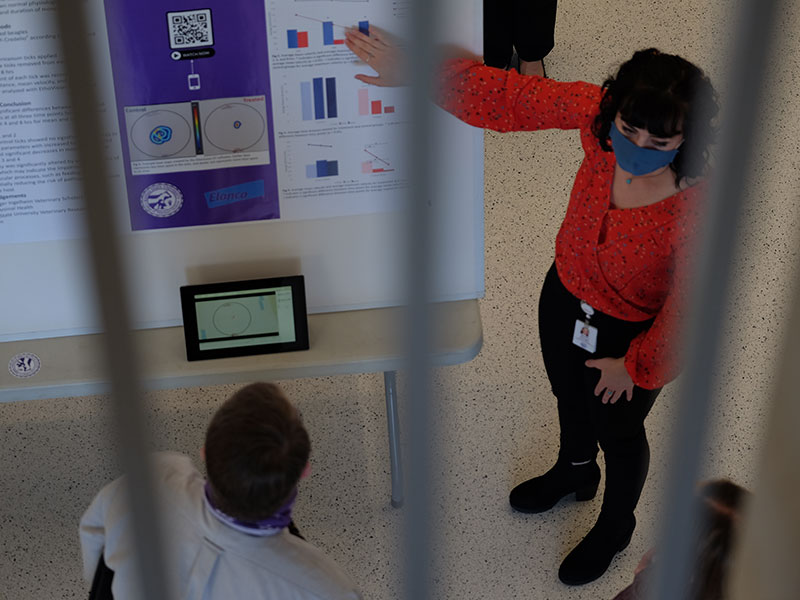
Phi Zeta Research Day provides a great oppportunity for students to share their research with others.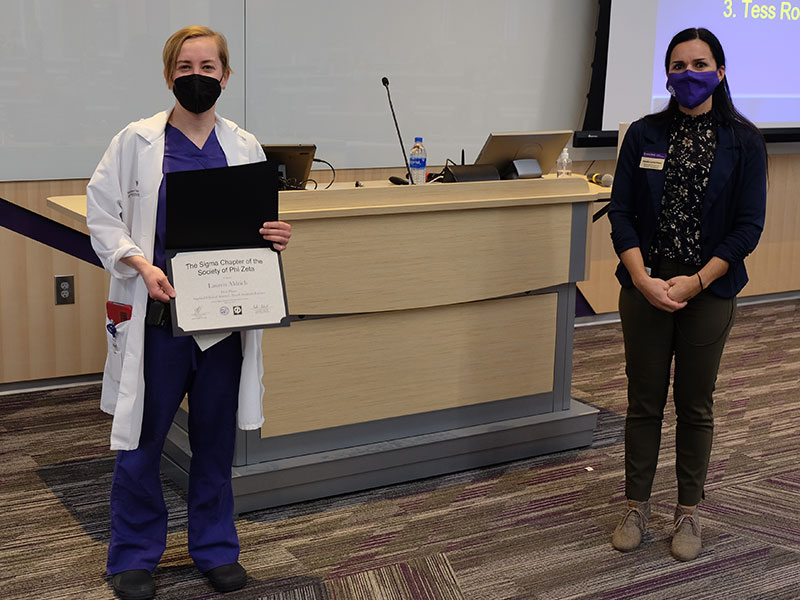
Dr. Lauren Aldrich receives the first place award in applied/clinical science, small animal/exotics oral presentations from Phi Zeta President Dr. Natalia Cernicchiaro.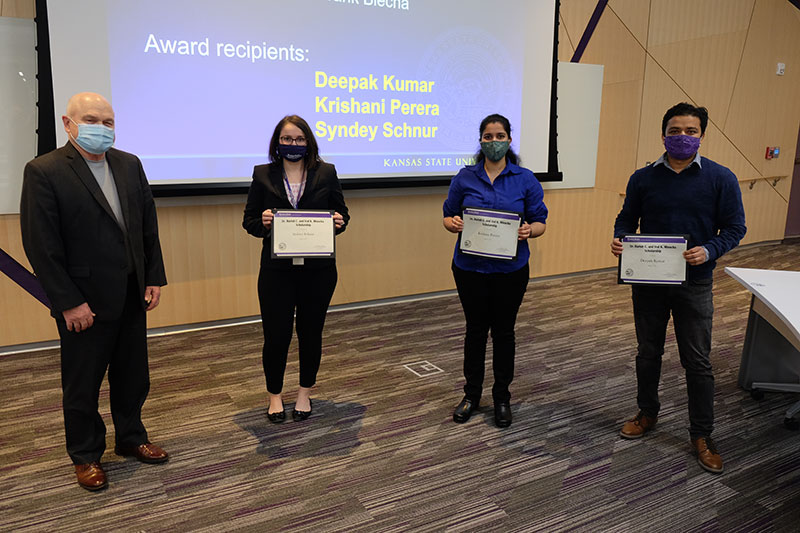
Associate Dean for Research Dr. Frank Blecha presents Dr. Harish C. and Ved K. Minocha Scholarship awards to Sydney Schnur, Krishani Perera and Deepak Kumar.
Veterinary Health Center team collaborates to treat spotted hyena at Sunset Zoo
By Dr. Tess Rooney
Charlie is a 12-year-old, female, intact spotted hyena who lives at the Sunset Zoo with her mate, Nia, a 6-year-old, male, intact spotted hyena. Charlie has lived at the Sunset Zoo since she was 9 months old and spent most of her life with her sister Smilia, who now lives at the Albuquerque BioPark Zoo. Smilia has had two successful sets of cubs of her own.
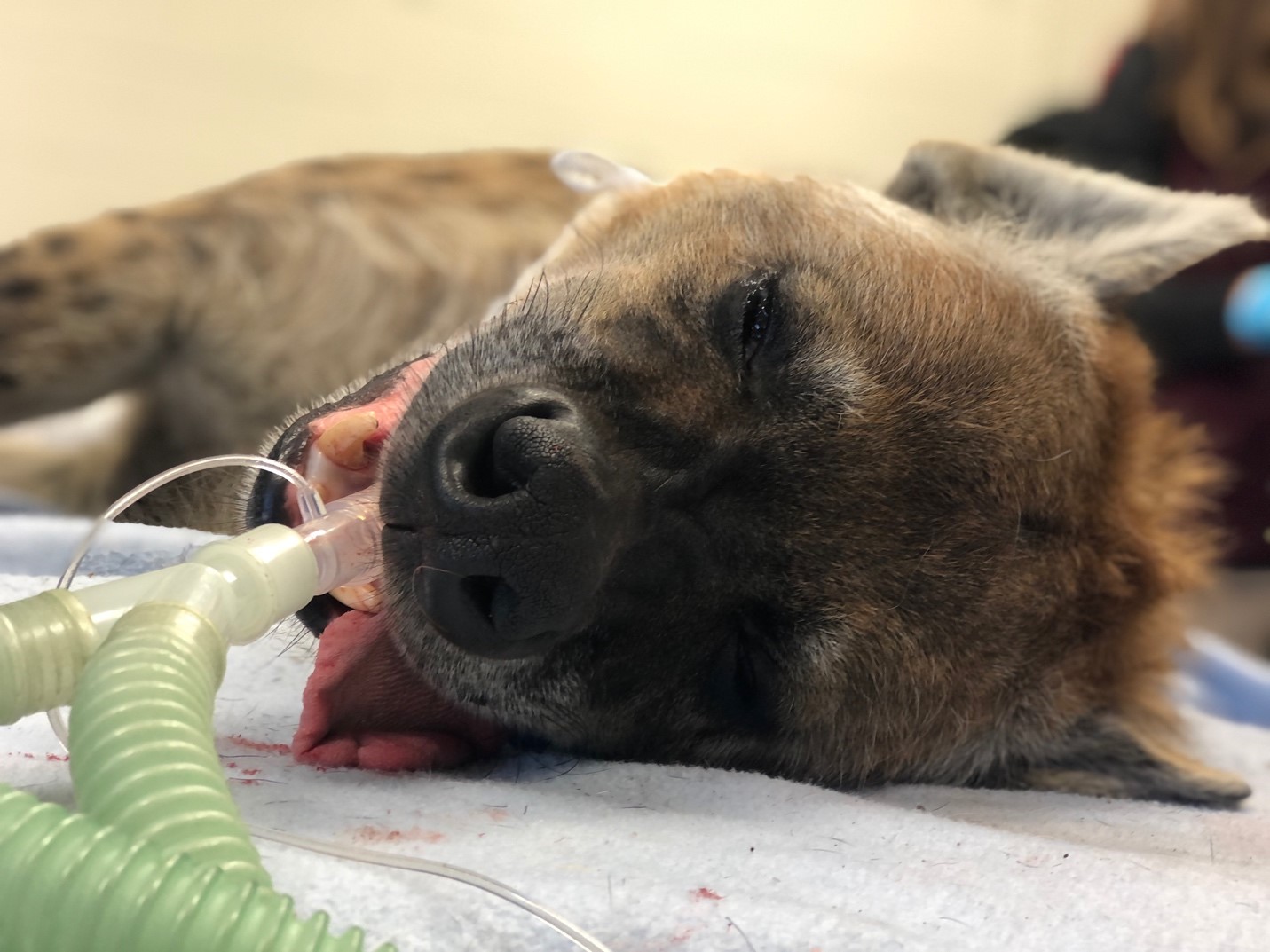
Charlie is safely anesthetized and intubated with an endotracheal tube that delivers oxygen and anesthetic gas to her lower airways throughout her procedure.
Charlie currently spends her days roaming her exhibit, bonding with Nia, and exploring exciting enrichment options like dens to nest in, boxes to play with, food puzzles, and new scents to investigate.
Spotted hyenas, also known as the laughing hyenas, are native to much of sub-Saharan Africa. While this species is considered “Least Concern” from a species endangerment perspective by the International Union for Conservation of Nature, their natural habitat is decreasing, and their population is thus considered at risk of endangerment in the future.
Spotted hyenas got a bad rap from “The Lion King”: While this species does scavenge, they are extremely intelligent and talented hunters who work very well in groups. They have complicated social hierarchy, living in groups called “clans” of up to 80 individuals. They are considered a matriarchal species, meaning that the females are physically larger, socially dominant, and often have multiple male mates.
Only the alpha female in a group will have offspring to sustain the population. Interestingly, the hyena’s unique genitalia makes visually differentiating males from females very challenging (check out the Holekamp studies for more information about this species’ fascinating social dynamics and behavior!)
Spotted hyenas are uncommon in North American zoological collections, which makes Charlie an extra-special icon at the Sunset Zoo. Genetic diversity in captive settings is very important so that the animals being raised in captivity will be as healthy as possible. Because Charlie originally came from Africa, her genetics are considered very novel in the North American zoological population.
While Charlie and Nia were seen mating in the springtime, and Charlie gained a substantial amount of weight, the gestation, or pregnancy, period (165 days in spotted hyenas) passed without any signs of her going into labor. This raised the question of whether or not Charlie would be able to successfully maintain pregnancy, so a thorough evaluation was recommended.
Charlie’s zookeeper, Amelia Jerome, has done a phenomenal job of training Charlie so that she is used to being safely touched with designated objects. This desensitization training allowed the veterinary staff to safely use a handheld syringe to inject Charlie with her anesthetic medications. Charlie became deeply sedate, which meant that it was safe to transport her on a gurney up to the Sunset Zoo’s veterinary clinic.
At the clinic, Charlie was met with a large audience of socially distanced medical professionals and students who were there to provide her with care under the supervision of zoological medicine faculty, Dr. Sara Gardhouse, zoological medicine intern, Dr. Tess Rooney, and zoological medicine nurse Amber Melton with the K-State Zoological Medicine Service.
One of the K-State radiology technicians, Christine Hackworth, came out to perform abdominal radiographs (X-rays) on Charlie to look for any obvious reproductive pathology. Our radiology resident, Dr. Hannah Turner, and radiology faculty, Dr. Mackenzie Hallman, came out and performed a complete abdominal ultrasound on Charlie to assess her reproductive tract.
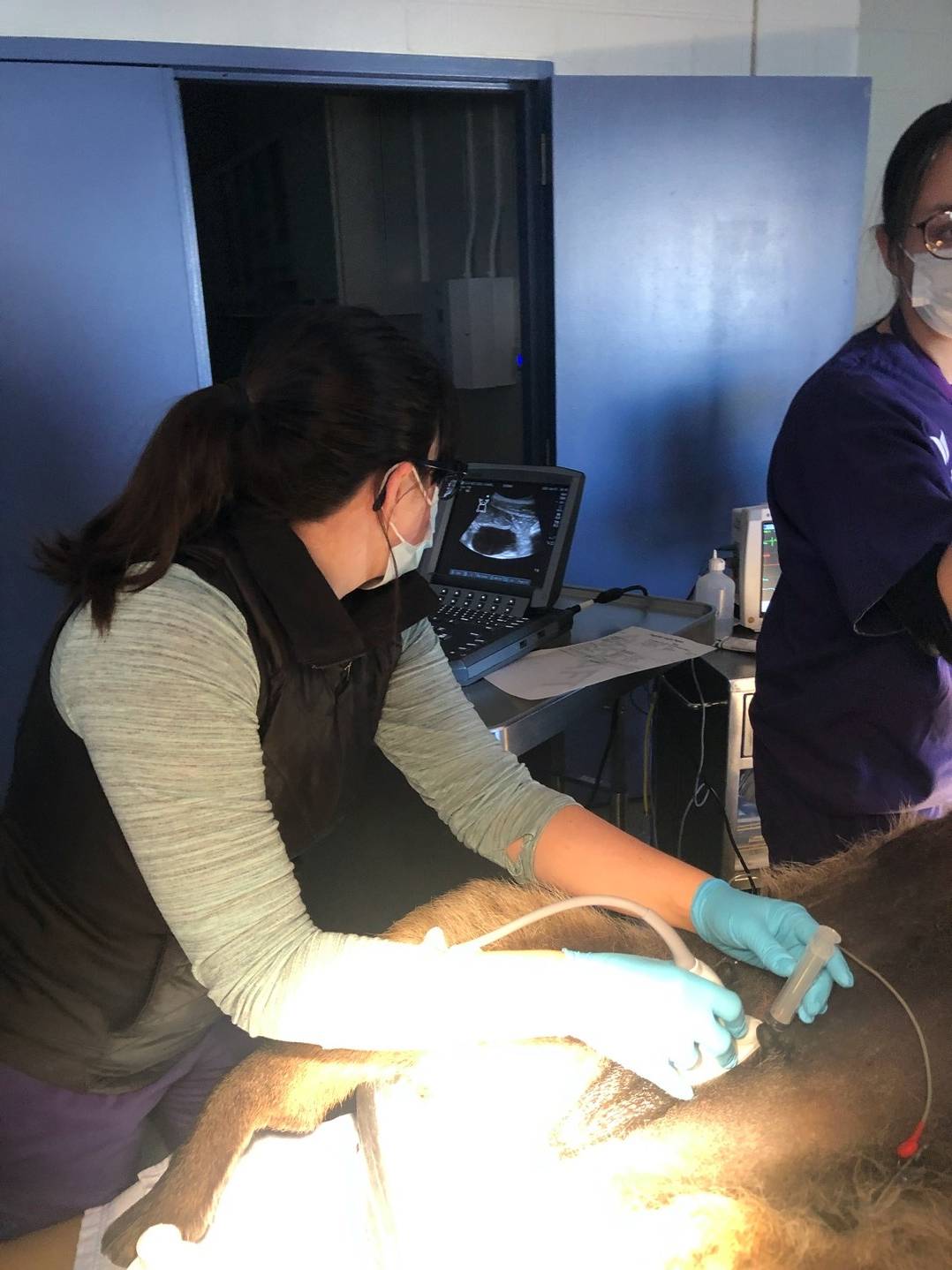
Radiology resident Dr. Hannah Turner performs an abdominal ultrasound on Charlie and prepares to perform a cystocentesis to collect a sterile urine sample.
Dr. Mary Bagladi-Swanson with the Dermatology Service, came out to perform allergy testing on Charlie. For the past couple of springtime seasons, Charlie has developed systemic allergies that have responded well to Claritin. Now that we know that Charlie is allergic to certain types of insects and grasses, we hope to be able to make adjustments to her exhibit and come up with an allergy treatment for her that will preclude her from taking daily allergy medication every time the weather gets warm!
Dr. Douglas Winter, a veterinary dentist at the Veterinary Health Center, came out and performed a thorough dental scaling, polishing, and a couple of incisor extractions so that Charlie’s dental health can remain fantastic. Their teeth are important for them to be able to shred meat.
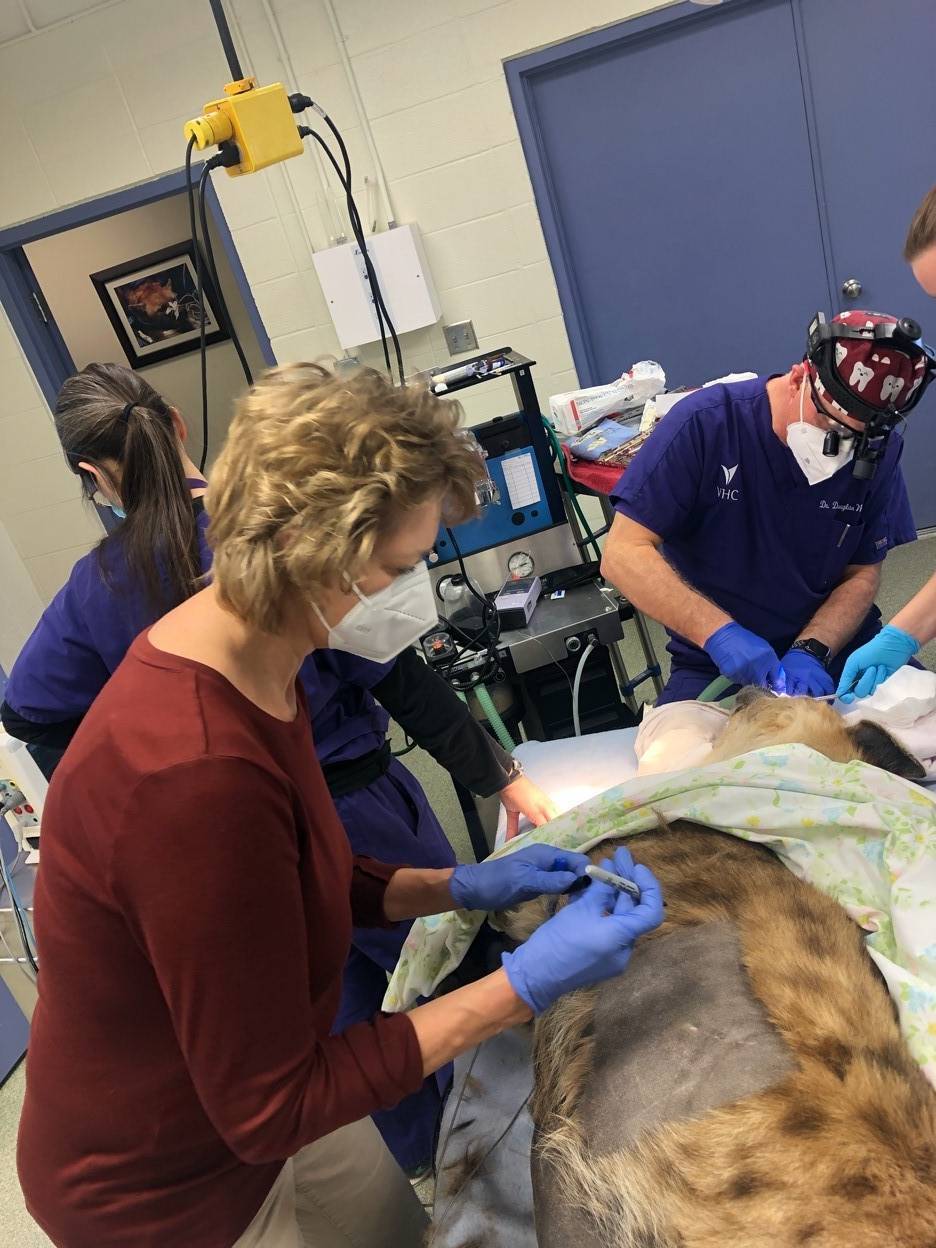
Dermatologist Dr. Bagladi-Swanson (left) prepares the left side of Charlie’s body for allergy testing with 60 different allergens while Dr. Doug Winter (right) performs dental extractions simultaneously.
Charlie’s care at the Sunset Zoo this past month is a phenomenal example of the high-quality veterinary care that the zoo and K-State strive to provide for all of its patients. While there is a good chance Charlie will not be able to have cubs at this stage in her life, her health is the most important thing, and we will continue to provide her with the best possible, gold-standard veterinary care possible.
Come visit Charlie and Nia at the Sunset Zoo! They would love to see you and the construction that is underway will be providing beautiful new exhibits for many of our other beloved collection animals in the coming years.
Shelter Medicine Community Outreach Vehicle makes its maiden voyage
A new vehicle with a special mission has recently returned to the College of Veterinary Medicine at Kansas State University. The Shelter Medicine Community Outreach Vehicle, also called “Wellness on Wheels,” or WOW, successfully completed its first trip on March 13 after more than two years of fundraising, design and production.
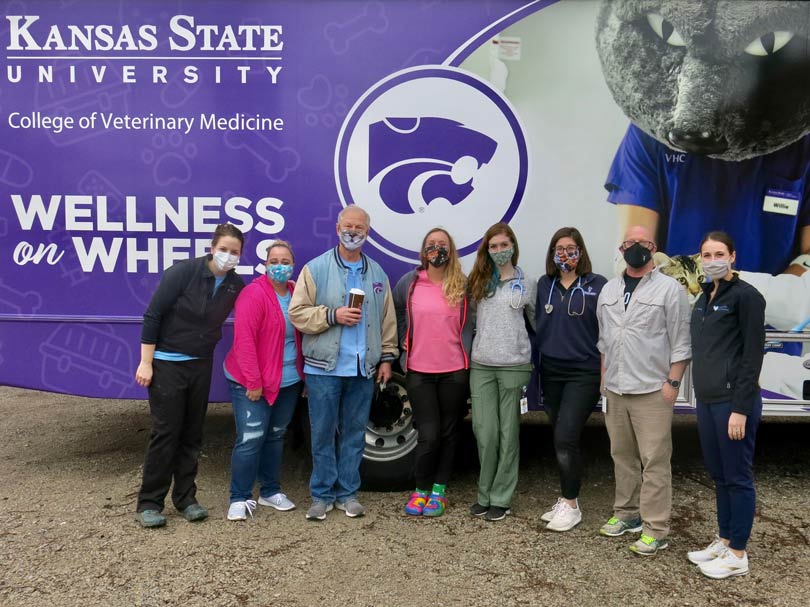
The Wellness on Wheels team poses in front of the newly finished vehicle with members of Community Veterinary Outreach. From left: Dr. Lara Plass, Casey Hentchel, Dr. John Teeter, Dr. Brooke Davis, Megan O'Brien, Hayley Barkoviak, Dr. Brad Crauer and Dr. Emma Winkley.
“Access to care is a major issue when it comes to community pet health,” said Dr. Brad Crauer, director of the Shelter Medicine Program. “The WOW vehicle is unique because it allows members of the K-State Shelter Medicine team to help people and their beloved pets receive basic veterinary care, even though they may have limited financial resources, physical limitations to access to care or insufficient knowledge about the importance of veterinary care.”
The WOW’s first stop was a wellness clinic at the Metro Lutheran Ministry Mission in Kansas City, Missouri, in partnership with the Community Veterinary Outreach (CVO) program where 25 patients from 18 different clients were served.
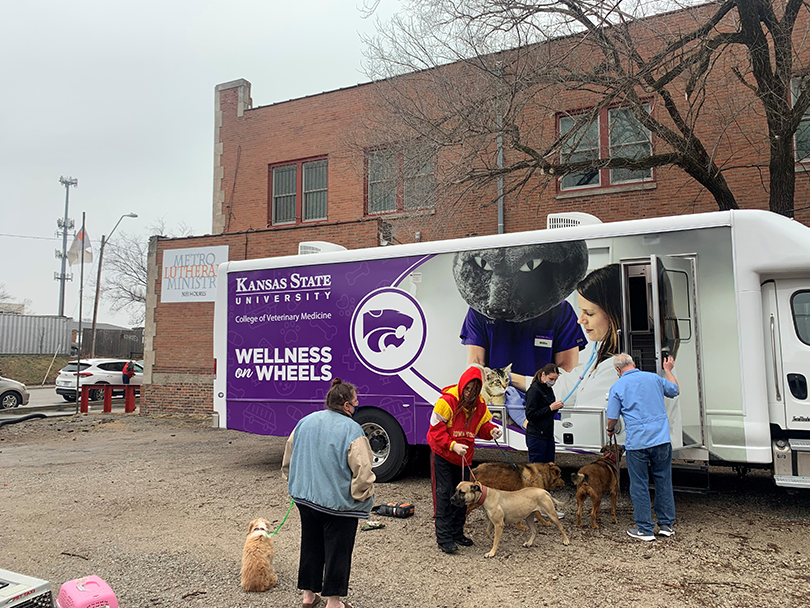
The WOW vehicle makes its first stop at the Metro Lutheran Ministry Mission.
“WOW is currently getting outfitted with all the supplies needed for regular outreach clinics as well as being able to be deployed for disaster response,” Dr. Crauer said. “In addition to routine exam and vaccine clinics, WOW has surgical, dental and, very soon, will have X-Ray capabilities.”
Accompanying Dr. Crauer on the trip was Dr. Brooke Davis, shelter medicine intern, Dr. Lara Plass, CVO president, Dr. Emma Winkley, K-State DVM class 2020, and Dr. John Teeter, K-State DVM class of 1981. Two veterinary students were along for the ride as well to gain hands-on shelter medicine experience: Hayley Barkoviak, fourth year, and Meagan O’Brien, second year.
“Teaching students practical skills in a community outreach model is the foundation of the K-State Shelter Medicine Program and is consistent with our land grant university mission,” Dr. Crauer said. “On the WOW, routine client wellness exams will be the foundation. This will give students caseload experience, but with the added value of serving populations with distinct demographic differences from the majority of veterinary students.”
Future plans include another visit to the Metro Lutheran Ministry in May and a trip to the Santee Sioux Reservation in Nebraska with the Mobile Surgery Unit in April.
“I believe our consistent sustained effort will raise the bar of long-term care for individual pets, their families and their communities,” said Dr. Crauer.
More Headlines
Researchers find gut microbiome key to respiratory vaccine response in pigs
Dr. Megan Niederwerder, assistant professor of diagnostic medicine and pathobiology in the College of Veterinary Medicine, led a recent study aimed to identify gut microbiome characteristics associated with improved outcome in pigs immunized against porcine reproductive and respiratory syndrome virus, or PRRSV, after co-infection with PRRSV and porcine circovirus type 2, or PCV2.
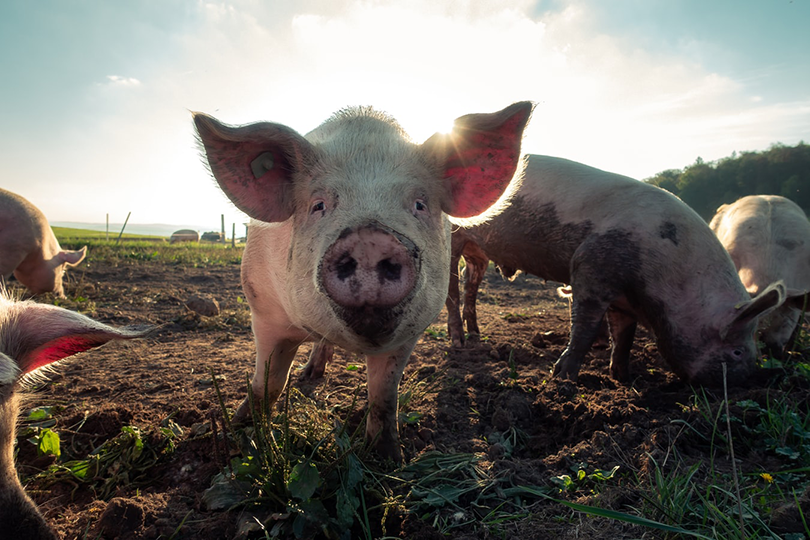
Gut microbiome characteristics in pigs can potentially help improve outcome in those immunized against certain respiratory diseases.
"Our latest work is focused on how the gut microbiome impacts the response of growing pigs to a respiratory vaccine," Dr. Niederwerder said. "Beneficial microbes living in the gastrointestinal tract play an essential role in the development and regulation of immunity. We now understand that this role extends to viral respiratory vaccines in addition to viral respiratory diseases."
PRRSV and PCV2 are two of the most significant pathogens affecting swine production worldwide, resulting in clinical signs of respiratory disease and reduced weight gain. PRRSV is the most costly disease of swine in the U.S., with estimated losses of $664 million each year.
Modified live virus vaccines are widely used to reduce PRRS-associated losses and decrease respiratory disease in pigs. Currently available vaccines, however, are generally considered inadequate for disease control and additional tools are necessary to reduce the effects of PRRS on swine, she said.
"The gut microbiome is one alternative tool that can improve response to PRRSV vaccines and PRRSV infection," Dr. Niederwerder said. "In the current study, we identified several gut microbiome characteristics associated with improved growth rates of nursery pigs after PRRS vaccination and co-infection, including increased fecal bacterial diversity."
Further gut microbiome characteristics associated with increased growth rates of vaccinated pigs included increased Bacteroides pectinophilus, decreased Mycoplasmataceae species diversity, higher Firmicutes: Bacteroidetes ratios, increased relative abundance of the phylum Spirochaetes, reduced relative abundance of the family Lachnospiraceae, and increased Lachnospiraceae species C6A11 and P6B14.
The results of this study provide foundational evidence that the gut microbiome in swine plays a role in the efficacy of PRRS vaccines during a respiratory infection disease model.
"Identifying gut microbes which enhance efficacy of the currently available and widely-used PRRS vaccines is a way to improve the tools we already have in our toolbox for PRRS control," Dr. Niederwerder said. "Addressing complex infectious diseases require a multimodal approach and expanding the traditional methods by which we improve swine health benefits pigs and producers."
The article, "Gut microbiome associations with outcome following co-infection with porcine reproductive and respiratory syndrome virus (PRRSV) and porcine circovirus type 2 (PCV2) in pigs immunized with a PRRS modified live virus vaccine" was published in the March 2021 issue of Veterinary Microbiology. Co-authors include Drs. Laura A. Constance, James B. Thissen, Crystal J. Jaing, Kevin S. McLoughlin, Raymond R.R. Rowland, Nick V.L. Serão and Ada G. Cino-Ozuna.
Funding for the study was provided by the U.S. Department of Agriculture National Institute of Food and Agriculture; the state of Kansas National Bio and Agro-Defense Facility Fund; and by the Lawrence Livermore National Laboratory's Laboratory Derived Research and Development Effort.
Online format at KSUCVM sets record for SAVMA Symposium

Although students preferred to meet in person, an online platform allowed wider attendance for the 2021 SAVMA Symposium than might have occurred otherwise. Held March 13-15, Kansas State University’s chapter of the Student American Veterinary Medical Association (SAVMA) served as hosts for the annual meeting of this national organization for veterinary students.
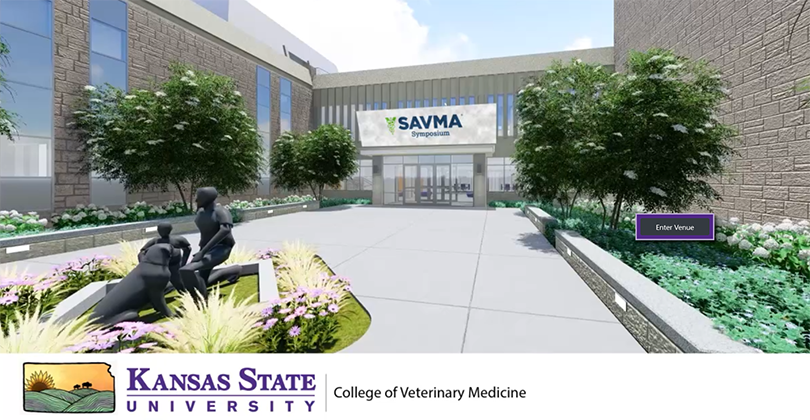
Pictured above is the virtual "main lobby" of the SAVMA symposium.
“COVID-19 forced the cancellation of the 2020 symposium that was originally planned to be held at Cornell University,” said Savannah Isheim, a third-year veterinary student and co-chair of the planning committee. “We were fortunate to be able to bring back the symposium, albeit in a virtual format, and reinstate a traditional national meeting of veterinary students that dates back more than half a century.”
As it turns out, the online symposium set a new attendance record.
“Our team worked very hard to make this run smoothly, and our efforts really paid off,” said Tyler Shima, who is also a third-year veterinary student and is the other co-chair of K-State’s planning committee. “This was the first ever virtual symposium, and hopefully the last. I think our team was instrumental in getting the word out and promoting symposium this year, leading to an ‘unofficial’ symposium record attendance of more than 1,700 people.”
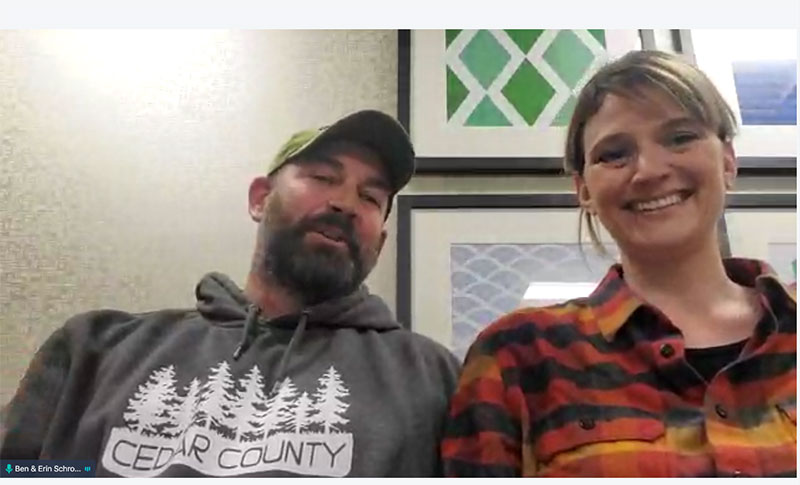
Drs. Ben and Erin Schroeder(DVM classes of 2002 and 2004, respectively) talk about their experience as rural veterinarians in Hartington, Nebraska, as part of one of the keynote presentations. The Schroeders are featured in a regular TV series called, "Heartland Docs," which airs on Nat Geo Wild and Disney+.
Shima said that due to sponsor donations, the K-State SAVMA chapter was able to give away over $5000 worth of prizes at ceremonies and through various competitions.
“It was hard to judge an accurate count of how many people attended, since many schools hosted COVID-appropriate virtual watch parties for symposium,” Shima said. “Some of the most attended sessions were definitely the ones tied to big names. Personally, I’m still in shock that I had the chance to work with big names in the veterinary world, such as Temple Grandin, Heartland Docs [Drs. Ben ‘02 and Erin Schroeder ‘04], , and Drs. Jerry [‘72] and Nancy Jaax [‘73]. It’s definitely surreal seeing them on TV, watching Netflix documentaries based off of them, etc. I think I’ve made so many valuable connections through this event that I can use in my professional and personal life!”
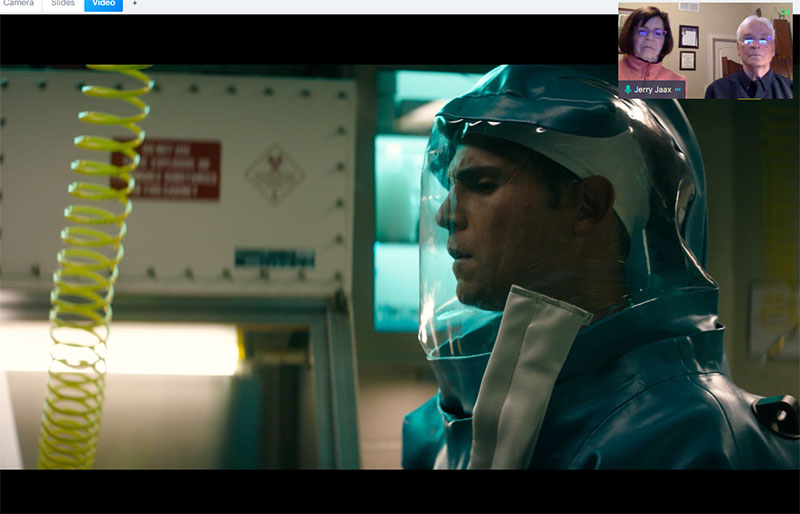
Drs. Nancy and Jerry Jaax (DVM classes of 1973 and 1972 respectively (inset top right)), share footage from the "Hot Zone" a miniseries based on the Jaaxes' response to a novel Ebola strain outbreak that occurred when the Jaaxes were serving in the U.S. Army Veterinary Corps.
“With most veterinary schools having virtual lectures for classes, I think students really appreciated the ability to watch lectures on demand, rather than having a set schedule of live lectures,” Isheim said. “The on-demand lectures allowed them a little more freedom in their schedule, and lets students space out the lectures a bit more.”
Shima said the “coolest part of symposium” was the ability to get exclusive access to facilities such as a closed door behind-the-scenes tours of both NBAF and the Hills Pet Nutrition Center in Topeka, Kansas.
“These aren’t normally accessible to the general public, and may not even be able to veterinary students,” Shima said. “If anyone still wants to register and attend over 100 hours of lecture and events, we will have material up until the end of April! All live events and most of the tours/Q&A’s were recorded for later viewing.”
K-State researchers publish series of physiologically-based pharmacokinetic model manuscripts for perfluorooctane sulfonate
By Cheyenne Swoope

A team of researchers at Kansas State University focuses on applying computational modeling technologies to address food safety, toxicology and risk assessment issues. They develop and apply innovative physiologically based pharmacokinetic (PBPK) models to assess exposure to drugs, environmental chemicals or nanomaterials in the target tissue in laboratory animals, food-producing animals, companion animals and/or humans.
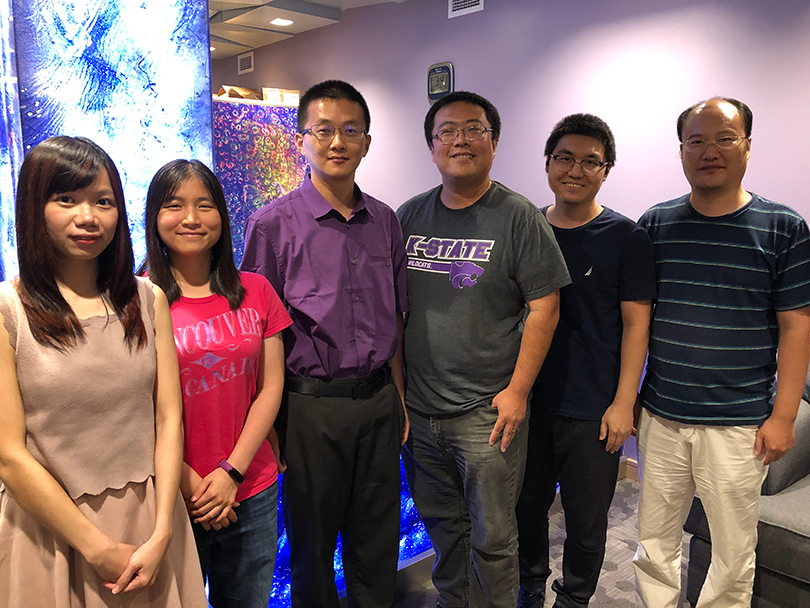
The research team from 2019 (from left to right) Yi-Jun Lin, Yi-Hsien Cheng, Zhoumeng Lin, Miao Li, Wei-Chun Chou, Ning Xu.
Over the course of three years, the team led by Dr. Zhoumeng Lin, associate professor of pharmacology and toxicology and the principal investigator, has published three papers related to perfluorooctane sulfonate or PFOS. Considered a pollutant, PFOS is a member in the family of per- and polyfluoroalkyl substances (PFAS), which are human-made, persistent environmental contaminants and a global public health concern. The published manuscripts focused on creating models for utilization in human health risk assessments.
In 2019, the team published a study titled “Bayesian Evaluation of a Physiologically Based Pharmacokinetic (PBPK) Model for Perfluorooctane Sulfonate (PFOS) to Characterize the Interspecies Uncertainty between Mice, Rats, Monkeys, and Humans: Development and Performance Verification,” in the journal, Environment International. Available species-specific toxicokinetic data from other studies were used for model calibration and optimization, and independent datasets were used for model evaluation.
“This manuscript describes a physiologically based pharmacokinetic model for PFOS in mice, rats, monkeys and humans,” said Dr. Lin. “This model can be used to extrapolate toxicokinetic and toxicity data from animals to humans to support risk assessment and derivation of a new reference dose of PFOS, ultimately helping make public health decisions on this environmental contaminant.”
Dr. Lin’s team performed Bayesian statistical analysis using Markov chain Monte Carlo (MCMC) simulation to optimize the model and to characterize the uncertainty and interspecies variability of chemical specific parameters. The integrated and comparative analysis provides an important step towards improving interspecies extrapolation and quantitative risk assessment of PFOS, and this open-source model provides a foundation for developing models for other perfluoroalkyl substances. It was donned the Best Paper Award by Society of Toxicology Biological Modeling Specialty Section.
In 2020, the group followed up with a study titled “Probabilistic human health risk assessment of perfluorooctane sulfonate (PFOS) by integrating in vitro, in vivo toxicity, and human epidemiological studies using a Bayesian-based dose-response assessment coupled with physiologically based pharmacokinetic (PBPK) modeling approach,” published in Environment International. A Bayesian dose-response model was developed to analyze 34 studies, including human epidemiological, animal in vivo, and ToxCast in vitro toxicity datasets.
“The article describes a new probabilistic human health risk assessment method for PFOS that can be used to conduct dose-response analysis of different types of toxicity data,” said Dr. Wei-Chun Chou, research fellow in Institute of Computational Comparative Medicine (ICCM), department of anatomy and physiology, College of Veterinary Medicine and lead author of the series of manuscripts. “This includes high-throughput in vitro data, in vivo animal toxicity data, and human epidemiological data, and the dose-response analysis results can be linked to a PBPK model for subsequent risk assessment.”
The dose-response results were incorporated into a multi-species PBPK model to reduce the toxicokinetic/toxicodynamic uncertainties. In addition, a population-based probabilistic risk assessment of PFOS was performed for Asian, Australian, European, and North American populations, respectively, based on reported environmental exposure levels. The results provide insights into a complete risk characterization of PFOS and may help regulatory agencies in the reevaluation of PFOS risk.

The research team meets via Zoom to maintain social distancing while still working on their project(s). Top row, left to right: Qiran Chen, Zhoumeng Lin and Wei-Chun Chou. Bottom row: Long Yuan and Md Mahbubul Huq Riad.
The 2021 study, titled “Development of a Gestational and Lactational Physiologically Based Pharmacokinetic (PBPK) Model for Perfluorooctane Sulfonate (PFOS) in Rats and Humans and its Implications in the Derivation of Health-Based Toxicity Values” was recently accepted for publication in Environmental Health Perspectives. The focus of the study is developing a gestational and lactational PBPK model in rats and humans for PFOS to aid risk assessment in sensitive human subpopulations.
This study utilized existing PBPK models for PFOS, addressing a data gap of renal reabsorption and excretion in kidneys during gestation and lactation. The model was calibrated with previously published rat toxicokinetic and human biomonitoring data, and Monte Carlo simulation was used to address the inter individual variability. Model simulations were generally well correlated with observed PFOS concentrations in maternal/fetal/neonatal plasma and liver in rats and humans.
“The latest manuscript describes a PBPK model for PFOS in sensitive subpopulations, including pregnant women, fetuses, lactating women, and neonates,” said Dr. Lin. “This study provides a quantitative tool to aid risk re-evaluation of PFOS, especially in sensitive human subpopulations.”
The results support the importance of renal reabsorption/excretion during pregnancy and lactation in PFOS dosimetry, and suggest that the derivation of health-based toxicity values based on developmental toxicity studies should consider gestational/lactational dosimetry estimated from a life stage-appropriate PBPK model.
The DOI address of the 2019 manuscript is https://doi.org/10.1016/j.envint.2019.03.058, the 2020 manuscript https://doi.org/10.1016/j.envint.2020.105581, and the 2021 manuscript https://doi.org/10.1289/EHP7671.
K-State veterinarian has tips for keeping pets safe from household dangers
By Piper Brandt
Certain everyday household items can pose a threat to pets' health, says Dr. Susan Nelson, clinical professor at the Kansas State University College of Veterinary Medicine. Here are some items and situations pets owners can watch for.
Medications can be poisonous Human over-the-counter and prescription medications are also a common cause of poisoning in pets. Dr. Nelson said it is important to remember that pets, especially dogs, are not very discriminating about what they eat. It is not uncommon for dogs to swallow human medications, like anti-anxiety pills or pain medication, such as aspirin, ibuprofen or acetaminophen, while they are chewing on a bottle. This accidental ingestion can lead to gastrointestinal issues, organ failure and possibly death. Owners often give human medications to their pets, such as aspirin or ibuprofen, to try help control their pain. Unfortunately, many of these medications are highly toxic to pets. Always consult with your veterinarian before giving any type of human medication to your pet. "If your pet does accidentally consume human medication, call your veterinarian first, or a pet poison control hotline, before taking any type of action when this happens," Dr. Nelson said. "Know the name of the medication the pet swallowed and how much they ingested, if known, as that can make a big difference on treatment recommendations. Sometimes we will advise owners to induce vomiting at home, but it is done on a case-by-case basis as inducing vomiting in some instances can cause more harm." Dr. Nelson also warns pet owners to be cautious of any flavored medication their pet may currently be taking. These medications are made to smell and taste good in order to make it easier to give them to pets. If they are left out, they will often be consumed all at once, which can possibly be harmful to a pet. Separate people food from pet food Many human foods are dangerous for pets. Some of the top foods on this list are chocolate, raisins, grapes, macadamia nuts, onions, garlic and yeast-based bread doughs, according to Dr. Nelson. Additionally, foods, candies, mouth washes and other medications that contain the artificial sweetener xylitol are also toxic to pets and can cause life-threatening low blood sugar and liver failure. "Be aware of moldy and spoiled food, too," Dr. Nelson said. "Keep trash cans covered because pets are very good at getting into them and eating something they shouldn’t." Skin protection Commonly used products like bleach, all-purpose cleaners and other disinfectants can cause chemical burns on pets' skin and can be toxic if ingested. Dr. Nelson said this often happens because pets come into contact with the cleanser after the bottle spills on them, or they walk on a freshly washed floor or bathtub. Lysol can be toxic to cats when ingested, so it should be used very cautiously in households with cats. “The best way to prevent such burns and toxic ingestion is to make sure surfaces are completely dry before letting pets on them and to tightly re-cap cleaning product bottles after using them,” Dr. Nelson said. “Just as with children, don’t forget to put such products away where pets can't get to them, and always remember to read the warning labels and instructions on all household cleansers before using them.” Potential household hazards Other common household toxins that owners might not think about are things like batteries, cigarettes and certain houseplants. If a pet ingests batteries, including button batteries, the battery acid can cause serious burns to their mouth, esophagus and stomach, Dr. Nelson said. They can also cause intestinal obstruction. Common houseplants like philodendron and dieffenbachia are toxic to pets if ingested. Lilies can be especially dangerous to cats. It is a good idea to know what plants you have, both in your house and your yard, and if they are toxic to pets. "Another thing to worry about is second-hand smoke," Dr. Nelson said. "Cats who have owners that smoke are twice as likely to develop malignant lymphoma than cats who have non-smoking owners. Be aware of cigarette butts that are left out because pets can develop nicotine poisoning if these are ingested." Antifreeze is another potential danger for pets, especially for those who spend a lot of time outdoors or in the garage, Dr. Nelson said. Sometimes antifreeze will leak from a car onto the floor or into an existing puddle of water and pets may unintentionally drink it. A small amount of ingested antifreeze can be fatal to a dog or cat, causing the kidneys to shut down. "Always keep antifreeze tightly sealed and out of reach from pets," Dr. Nelson said. "You also should check your vehicle frequently for antifreeze leaks. One should always make sure your pet has fresh drinking water available. However, the temptation to drink antifreeze will still be there, so prevention is key." Cannabis (marijuana) has been legalized in many states now and veterinarians in those states are seeing a large increase in the number of pets being presented with marijuana toxicity. Pets are more sensitive to the effects of the THC in marijuana and it’s easier than you think for your pet, especially dogs, to consume a toxic amount. Who to contact in an emergency If your pet does come in contact with a dangerous material and you cannot reach your veterinarian, or your veterinarian is not familiar with the specific toxin or medication, Nelson recommends you call the Pet Poison Helpline 24/7 Animal Poison Control Center at 855-764-7661, or the American Society for the Prevention of Cruelty to Animals (ASPCA) Animal Poison Control hotline at 888-426-4435.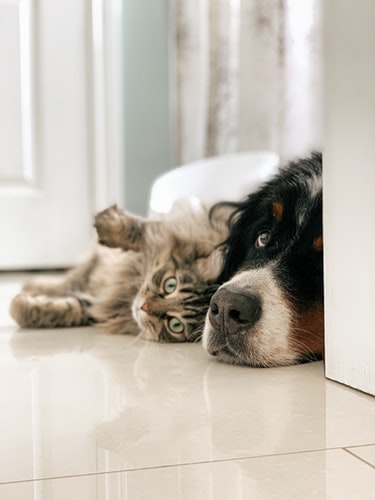
Pet owners should be cautious about the following household dangers.
Regular features
Alumni Events, Development and Continuing Education
 The Veterinary Medical Alumni Association organizes alumni receptions at several of the national annual conferences plus continuing education events and more. This month's section includes the monthly listings of recently departed alumni and links to their obituaries, plus a new link for submitting nominations for Alumni Recognition Awards.
83rd Annual Conference for Veterinarians
Due to concerns with COVID-19, this year's Annual Conference will again be held remotely. This year we will be using an application called WHOVA to present the entire conference. This will allow you to watch the sessions live, but will also provide access to the content for 6 weeks after the conference has concluded. You will have the opporutnity to have additional virtual networking experiences during some of our breaks. During our trade show, attendees will have time to visit the different virtual booths, and during scheduled times, there will be representatives in those booths from those organizations and companies.
This year you will have the opportunity to get 18 hours of CE throughout 3 days. If you are not able to watch these live, they will still be available for 6 weeks after the conference has concluded. We will share additional information with how to access those CE's after the conference.
Continue to check back on this website for additional information as it becomes available.
18 hours of CE will be offered during the conference. You will also receive access to all lectures presented during Annual Conference to watch for free for 6 weeks after the conference has concluded.
Registration information is now available.
Submit nominations for Alumni Recognition Awards online
See our new online nomination form to nominate a fellow alumnus for one of our many annual recognition awards, presented at the national conferences: VMX, WVC, AVMA and the Annual Conference for Veterinarians. See full details at the link below.
|
|
|
In Memoriam - Recently Departed Alumni
Dr. David Larry Madden, DVM 1958 Dr. John Richard Baker, DVM 1965 Dr. Michael Allen Stedham, DVM 1965 Dr. Clinton W Crusberg, DVM 1985
(click highlighted names for obituary) |
|
Questions about Alumni or CE events?Contact:
|
 Tony Ballard
 Sarah Keatley
News Ticker
| More activities and accomplishments in the College of Veterinary Medicine: |
|
Congratulations to Dr. Neala Boyer for earning the Elite Fear Free Certification. The status of Elite Fear Free Certified Professional is the designation for the most experienced members. Dr. Boyer also presented a lecture, “When Separation Causes Anxiety: A Discussion of Fear and Phobia in Dogs and Cats,” for the K-State Olathe Careers and Cases in Veterinary Medicine lecture series on Feb. 10. Dr. James Roush was a contributing author with Karen Marin, Marcos D. Unis and Jason E Horgan on the publication, “Risk factors for short-term postoperative complications in the 8 weeks after tibial plateau leveling osteotomy in dogs weighing less than 15 kilograms: A retrospective study,” that was published in the Feb. 25 PLOS ONE. Dr. Leslie Weaver (Wagner) was a contributing author with Melanie Boileau and Jared D. Taylor on the publication, “Evaluation of the accuracy of an electronic point-of-care analyzer to quantify blood creatine concentration in goats,” that was published in the Journal of Veterinary Internal Medicine. She was also the lead author with Melanie Boileau, Lyndi Gilliam and Jared D. Taylor on the publication, “Characterization of short- and long-term morbidity and mortality of goat kids born to does with pregnancy toxemia,” in the Journal of Veterinary Internal Medicine. Drs. Kate KuKanich, Kallie Woodruff, Zackery Bieberly, Mark G. Papich and Butch KuKanich published, “Evaluation of urine concentrations of amoxicillin and clavulanate in cats,” in the Journal of Veterinary Internal Medicine. |
 We have expanded our social channels!
Join the College of Veterinary Medicine on LinkedIn and add us to your profile under education and/or employment to help build and engage our online social community! Follow the LinkedIn page here: www.linkedin.com/company/kstatevetmed
New Arrivals/Recent Departures
Lifelines is published each month by the Marketing and Communications Office at the College of Veterinary Medicine. The editors are Joe Montgomery, jmontgom@vet.k-state.edu, and Piper Brandt, pnbrandt@vet.k-state.edu.