Photo Feature: Making moves in Italy to learn about food safety, public health and aquatic and terrestrial animal welfare
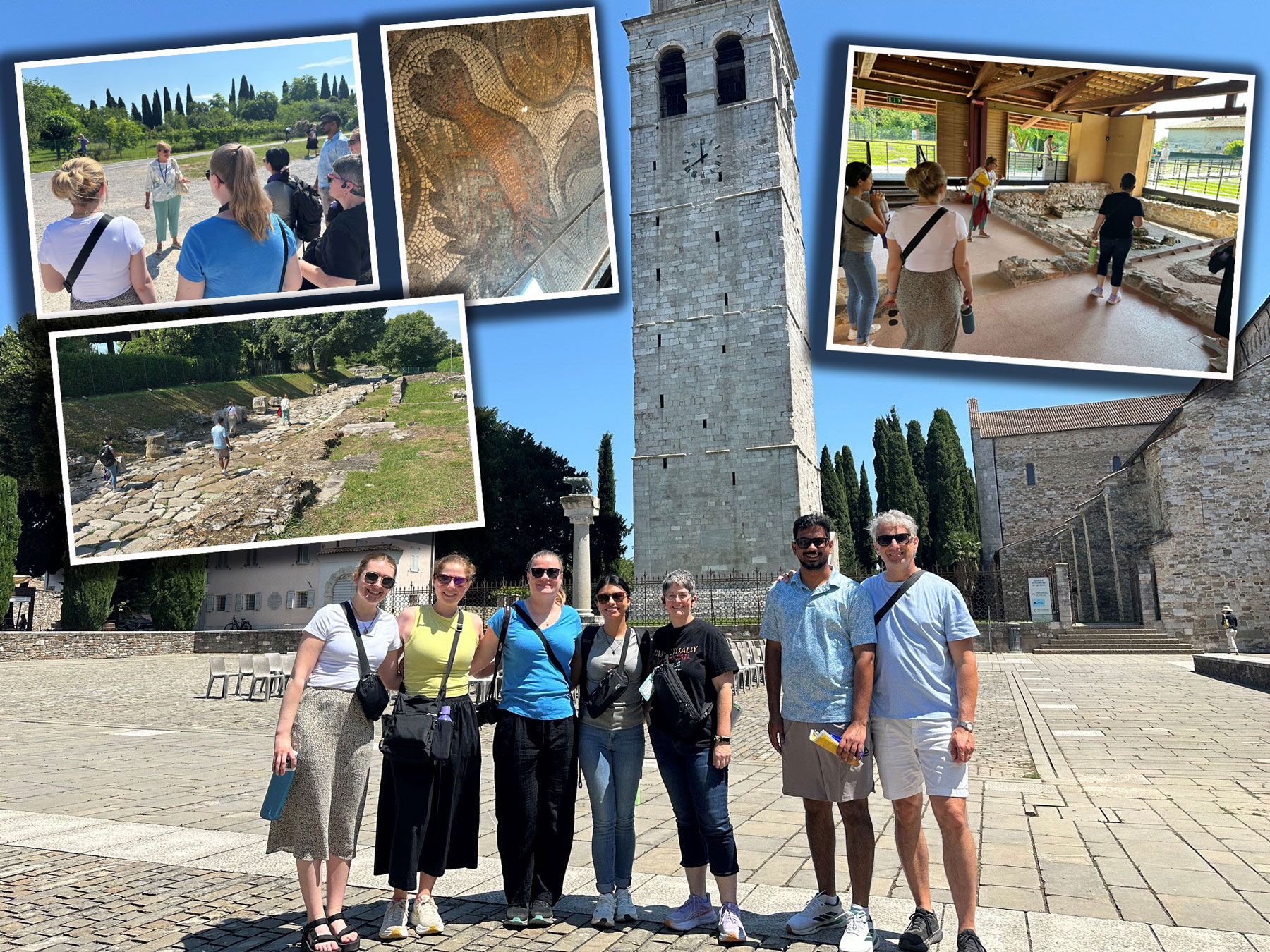
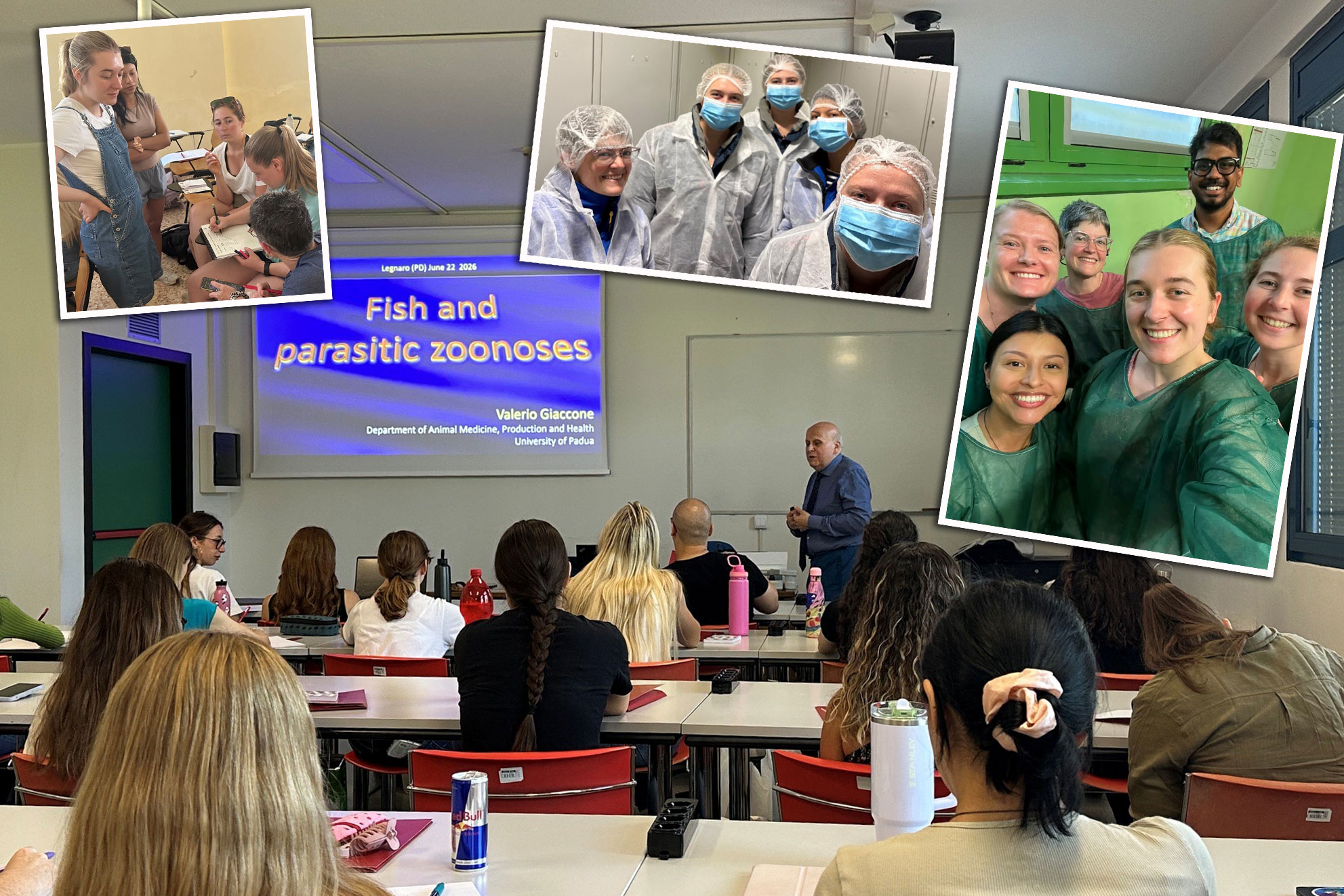
Caption for top photo: Students visit the Agripolis Campus for the University of Padova in Italy. From left: Kaitlin Alexander, Kelli Shoemaker, Lucy Delorme, Elyse Escalante, Grace Berry and Vikas Galipothu.
By Joe Montgomery
September 11, 2026
In June 2026, Drs. Justin Kastner and Ellyn Mulcahy gathered six students from Kansas State University, including two DVM students from the College of Veterinary Medicine, as a cohort of the International Mobility of Veterinary Students and Food Biotechnologists (iMOVES & FB) program, coordinated through the University of Padova in Italy. This specialized and intensive summer course focuses on a variety of topics that fall under the One Health umbrella including food safety, aquatic and terrestrial animal welfare, and public health.
The course is hosted by Professor Marco Patruno from the University of Padova, and follows a hybrid format that use videoconferencing tools as well as international travel to deliver the course material and to see prominent locations where relevant practices take place. Before leaving on the trip, students joined virtual presentations by experts from Belgium, Czech Republic, Italy, South Africa, K-State, University of Pennsylvania and Texas A&M.
I wanted to go on the iMOVES Italy trip because it explored an area of veterinary medicine that I was unfamiliar with, and it presented a unique opportunity to learn about public health and food safety in an immersive context that is not offered most places.
Grace Berry
Third-Year DVM Student
Participating in the IMOVES Italy trip was a valuable opportunity to explore how I could utilize my veterinary education beyond traditional companion animal patient care.
Elyse Escalante
Third-Year DVM Student
As an MPH student, it was valuable to see how issues are addressed in a different part of the world. The iMOVES & FB trip helped bring concepts from my MPH coursework to life.
Kelli Shoemaker
MPH student in food safety and biosecurity
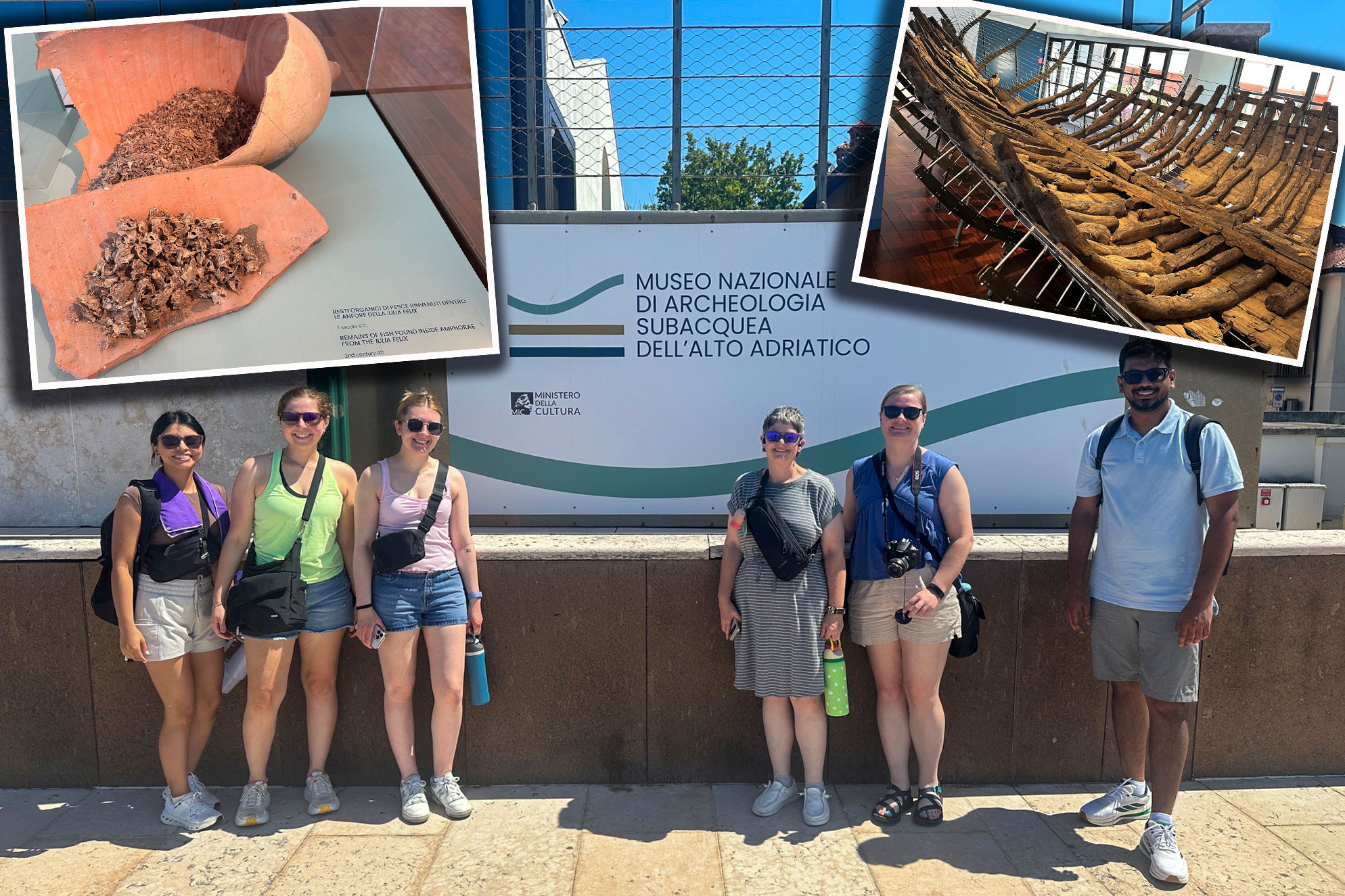
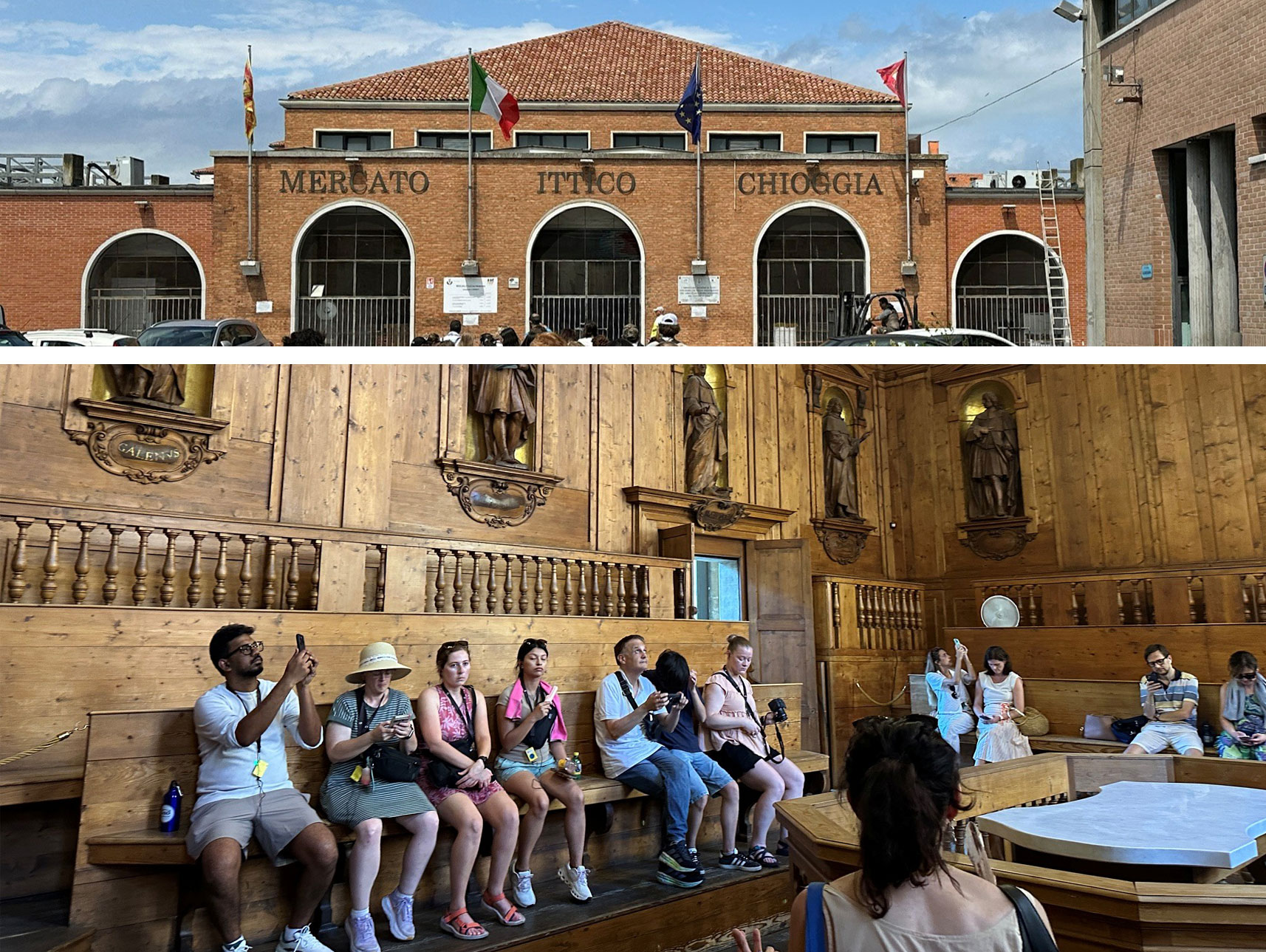
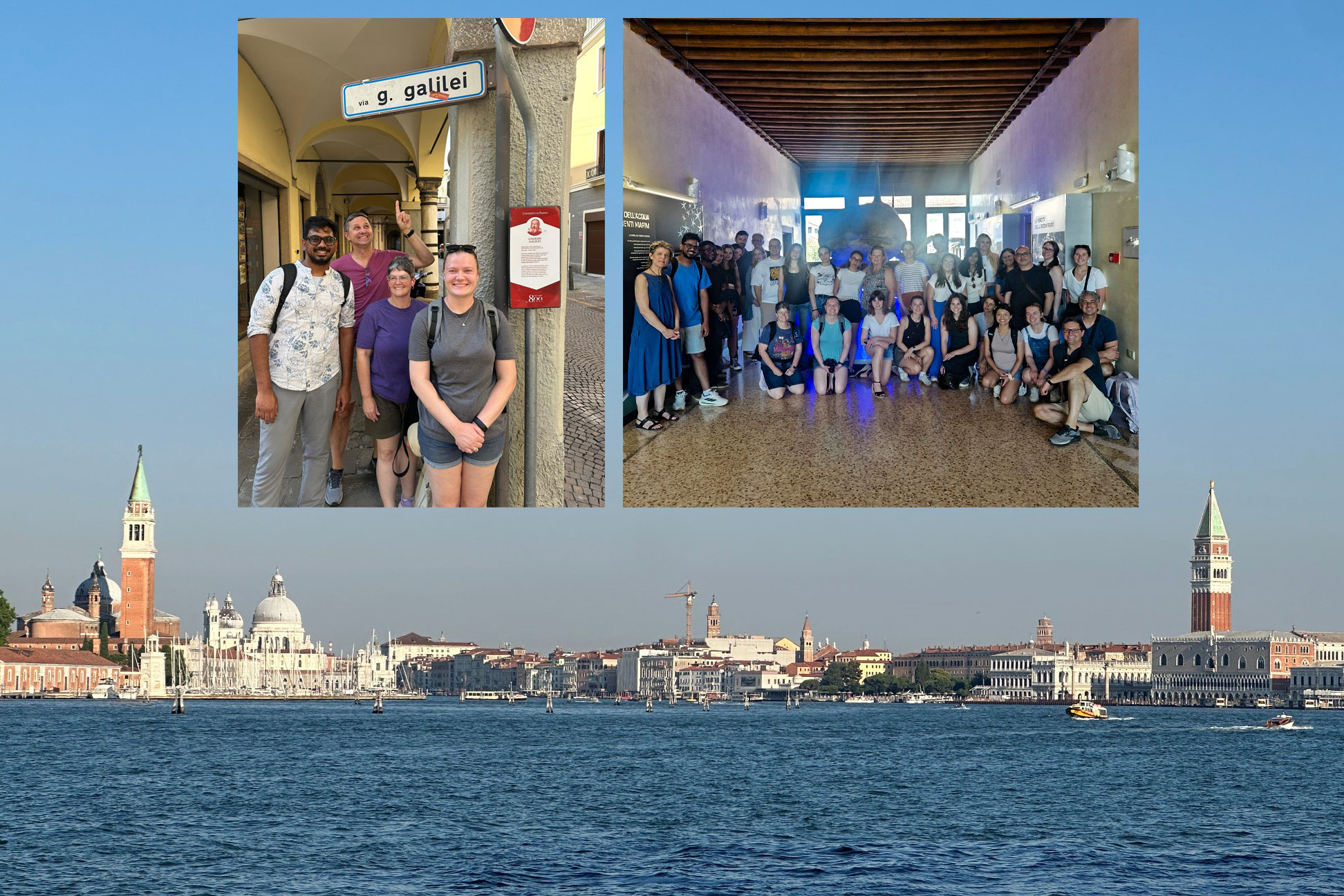
We drove the students to multiple locations in northern Italy that testify to the history of public health, international trade and regulation.
Dr. Justin Kastner
Professor of food safety and security
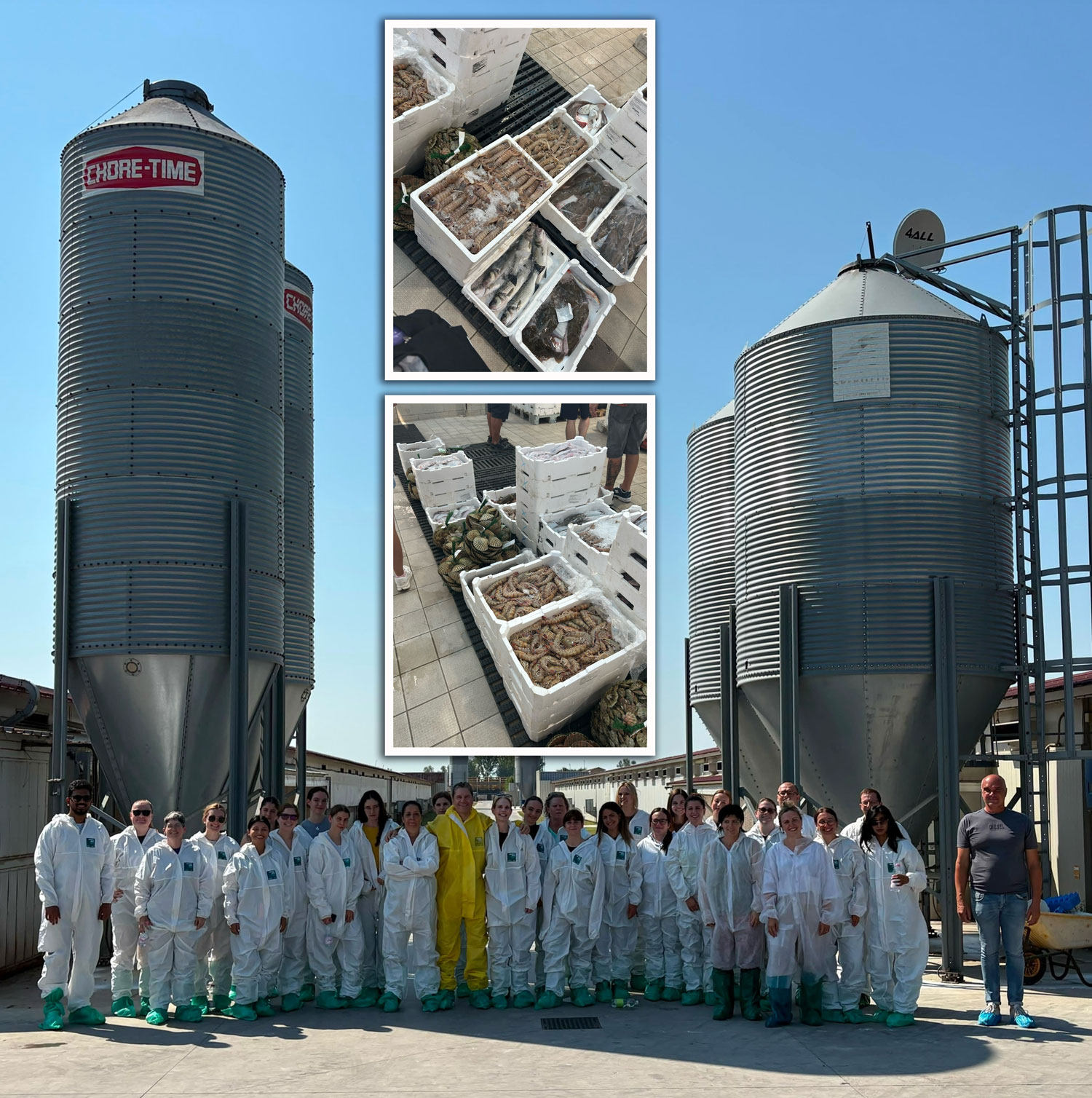
"We learned about Anisakis, a parasite found in fish, as well as how to identify this parasite while performing a necropsy," Grace said. "We also toured a poultry farm and learned how it is managed, followed by an in-depth poultry necropsy. For me, the most interesting part was learning about food safety regarding marine species, which doesn’t receive much focus here at K-State."
Elyse added: "Attending Italy’s fish and poultry production systems helped me put into perspective on how I could contribute my knowledge into food production and public health, which could make an impact far beyond an individual animal. This experience allowed me to immerse myself into the Italian culture and appreciate how these systems operate to ensure the health and safety of the animals and our community is prioritized. "
"The iMOVES & FB trip helped bring concepts from my MPH coursework to life," Kelli said. "Seeing food safety systems in action in Italy and learning alongside students from around the world gave me a broader perspective on public health and the value of international collaboration in protecting food safety."
Elyse said it was amazing to learn alongside Italian veterinary students, experience the historical architecture and try authentic food, which made the trip memorable.
"Of course, learning about this while surrounded by beautiful Italian architecture and stunning sea views made the experience that much more life-changing, and I would recommend it to anybody considering participating in the program," Grace said.
###
For more information about the Kansas State University College of Veterinary Medicine, please visit our website at vet.k-state.edu or follow us on Facebook, Instagram, and X.