Study confirms benefits from participation in veterinary-student research programs
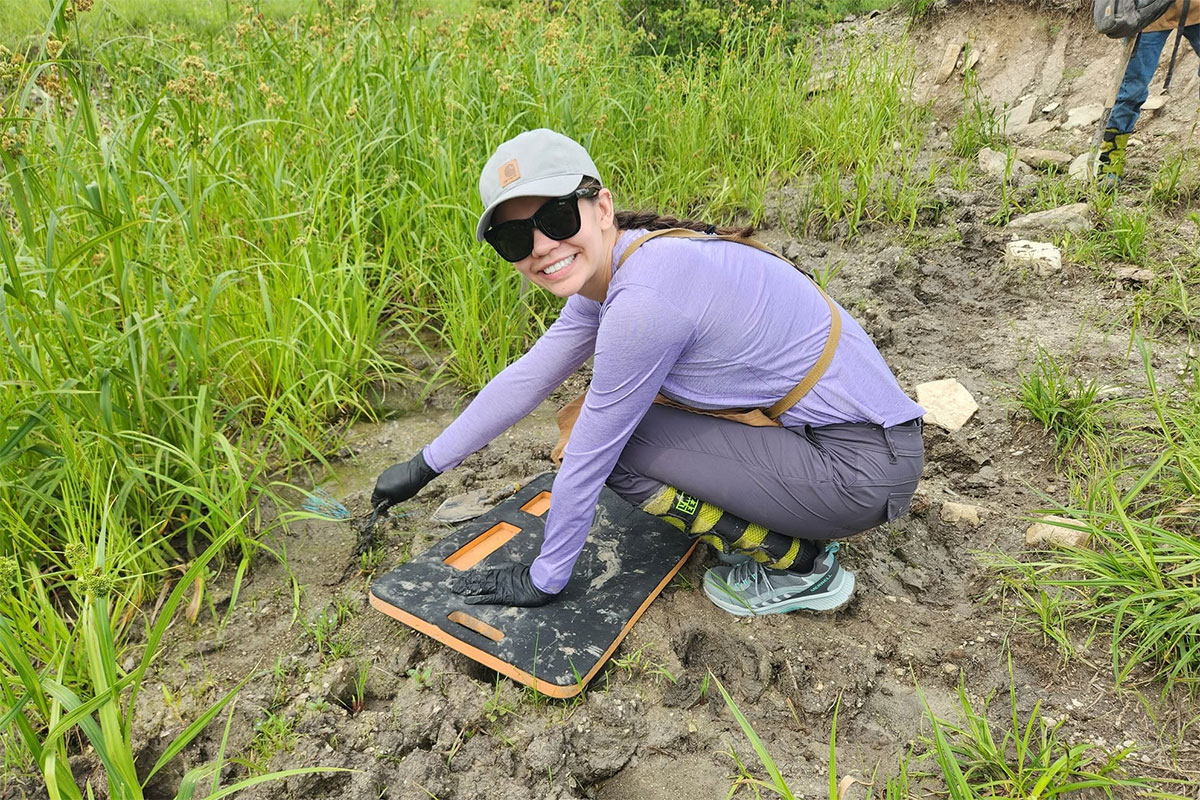
Caption for top photo: Here's the 2026 KSU VRSP scholar team!
By Joe Montgomery
July 20, 2026
The research is in: Veterinary students who learn to conduct research while in college enjoy some distinct advantages over their classmates. A new collaborative article features several co-authors from Kansas State University’s College of Veterinary Medicine, which itself has a long tradition of promoting student research programs.
“Veterinary students, and veterinarians in general, have a valuable skillset that makes them ideally suited to contribute to biomedical research and serve as important members of interdisciplinary research teams,” said Dr. Kate KuKanich, professor in the Department of Clinical Sciences. She serves as the current director of K-State’s Veterinary Research Scholars Program, or VRSP, which originally began in 1998.
Research programs promote scientific careers
The study lists five specific research areas of the highest need in the United States: infectious disease, laboratory animal medicine, pathology, production animal medicine, and public health.
“Recruiting students into these specific veterinary research career paths is challenging, so we conducted a multi-institutional cohort study of veterinary alumni to get an idea of how mentored student research programs might have a positive impact on this situation,” Dr. KuKanich said.
The research team includes co-authors from K-State: Dr. Robert Larson, Dr. Elizabeth Davis and third-year veterinary student Kylie Bitcon; and VRSP directors and colleagues from Mississippi State University: Barbara L.F. Kaplan, Ph.D.; the University of Missouri: Dr. Craig Franklin and Dr. Tamara S. Hancock; and the University of Wisconsin: Jenny M. Dahlberg, M.S. Bitcon’s 2025 summer research project helped form the basis for this research article, entitled “The Positive Impacts of Mentored Summer Research Programs on Veterinary Student Career Outcomes,” published in the July 1 issue of the Journal of Veterinary Medical Education.
The team sent surveys to Doctor of Veterinary Medicine-degree graduates from the classes of 2000 through 2024, to include both those who did and did not participate in VRSPs. Questions were developed to quantify types of career paths and to solicit qualitative opinions about the influence from participating in a VRSP and working with a mentor.
Research programs promote advanced training opportunities
Once the surveys were collected, the data began to reveal several noteworthy outcomes.
“Participation in a VRSP increased the odds (by 3.4 times) of veterinary alumni pursuing any advanced training compared with non-participants, and specifically increased the odds of pursuing a Ph.D. program (by 9.9 times) compared with non-participants,” Dr. KuKanich said.
She explained it is crucial to have VRSPs designed for students who have not yet had research opportunities.
“Current study participants elaborated how this initial exposure to hands-on research encouraged and, at times, enabled consideration of careers in biomedical research and non-traditional veterinary careers,” Dr. KuKanich said. “The current study verifies that such VRSPs are successful in promoting graduate training and building a skilled biomedical research workforce, even when prior research experience is not required.”
The study also found that participation in a VRSP during veterinary school increased the odds of matching and participating in a clinical internship and/or residency compared with non-VRSP alumni.
“Research experience has been acknowledged as a top attribute of veterinary surgery residency candidates, ranking higher than even veterinary-class grade point average in relative importance of screening tools used to triage residency applications,” Dr. KuKanich said.
Students share their research projects
Some of the students’ benefits of participating in a VRSP include the opportunity to write up summaries of research project results and to present research posters where the students can explain their research results in person during poster exhibits.
Kylie found that most participants gain an additional opportunity that extends beyond the program’s basic framework.
“Two-thirds of VRSP alumni had actually been able to publish a peer-reviewed manuscript, with nearly 40% publishing their summer research,” Kylie said. “Publication is not a requirement of VRSP, but it is typically encouraged. Doing so provides us students with a chance to experience the peer-review process firsthand and under the guidance of our mentors.”
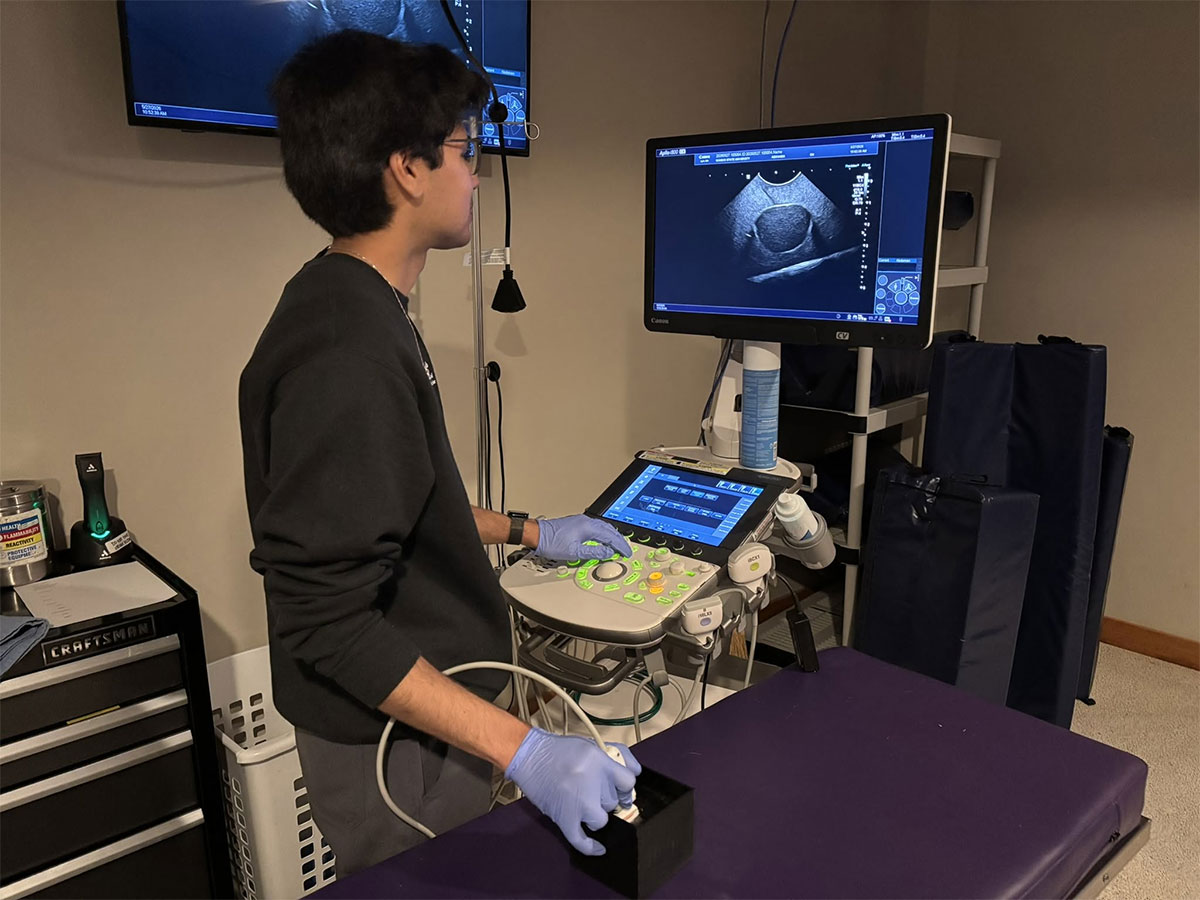
Dr. Davis said prior publication is an advantage when graduates apply for advanced training.
"Students who participate in VRSPs increase the odds of entering academia threefold.” Dr. Davis said. “There are many hurdles to recruiting veterinary faculty, including salary, research expectations, geographic location and resources. Participation in a VRSP often promotes strong bonds between scholars and faculty mentors. An important component of all programs is to offer workshops that highlight academic research careers and professional opportunities following graduation."
Kylie mentioned the ways she feel students benefit from participation.
"Research is the key to advancing the field of veterinary medicine, and this study has illustrated just a few of its many benefits," Kylie said. "From the beginning of my VRSP summer to having our manuscript published in the Journal of Veterinary Medical Education, this experience has provided me with so many meaningful opportunities that I would not have had otherwise. VRSP has undoubtedly made me a better student, scientist and future veterinarian."
Participants provide testimonials
Dr. KuKanich said survey comments articulated how the alumni’s experiences in VRSP were both catalytic and pivotal experiences toward their careers in academic veterinary medicine, often sharing the vital skill sets they learned in the process.
“I participated in summer scholars twice — the impact on my career was substantial,” said one of the survey participants. “Both programs provided competitive experience for the next steps of my career and also exposed me to United States Public Health Service Commissioned Corps officers at NIH. This led me to commission with USPHS in veterinary school and is where I have been working ever since. Without summer research, I would not have had the networking opportunities and experience which led me to a government career.”
Dr. Davis said participation in VRSPs during veterinary school does result in a greater proportion of veterinary alumni pursuing graduate degrees, advanced clinical training, and careers in academia, achieving the profession's goals of building the pipeline of veterinarians with biomedical research training entering the workforce.
“Having an early introduction to research was critical in helping me develop the skills that I needed to become a specialist,” said one of the survey respondents.
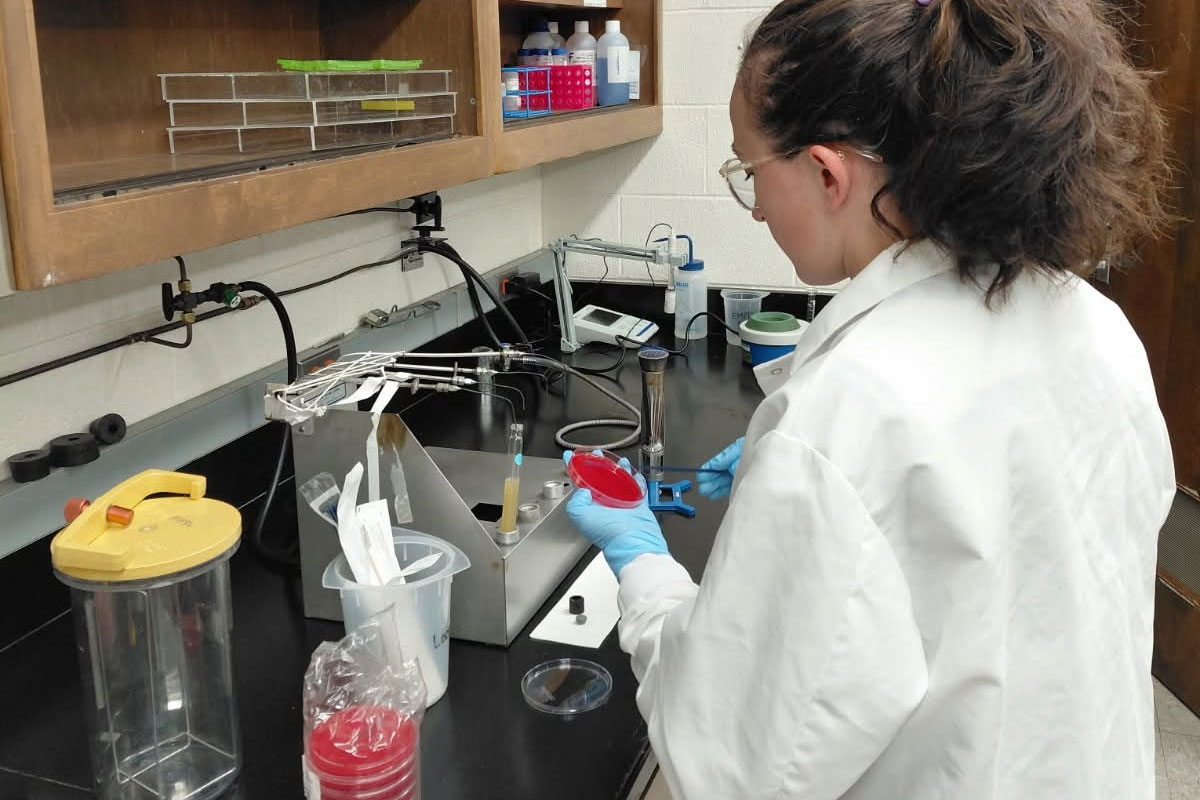
From the survey comments, the researchers were able to identify five recurring themes about the significance of a VRSP in their careers. The VRSP benefits were categorized into five themes: Influential, Catalytic, Pivotal, Valuable and Possible.
Another participant wrote: “I do not believe I would have had the opportunities to be where I am in my career today without the research programs offered to me. As a result, I am better able to serve my patients/clients.”
Moving forward
Dr. KuKanich said she hopes the results of this survey will help ensure sustainability for VRSP programs due to the positive outcomes.
“Alumni attest to the importance of these research programs in their career development, sometimes entirely changing their career path,” Dr. KuKanich said. “Unfortunately, the NIH has discontinued its grant for VRSP scholar stipends, and funding has become a much bigger challenge. Ongoing support for VRSP is essential to continue these student opportunities and successes for the future of veterinary medicine.”
If you are interested in supporting the K-State Veterinary Research Scholars Program or supporting a summer scholar, please contact Dr. KuKanich or the KSU Foundation.
###
For more information about the Kansas State University College of Veterinary Medicine, please visit our website at vet.k-state.edu or follow us on Facebook, Instagram, and X.